
Industry News
Two wheels stay steady


Philippine motorcycle sales reached 939,528 units in the first half of 2026 as a strong opening quarter offset weaker demand from April to June.
Data from the Motorcycle Development Program Participants Association showed sales rose 3.58 percent from 907,054 units during the same period last year.
The industry sold 496,868 motorcycles in the first quarter, up 11.6 percent year on year. Second-quarter volume fell 4.2 percent to 442,660 units from 462,007 units, although the earlier gains kept the six-month total in positive territory.
Automatic motorcycles remained the largest segment with 655,004 units sold. Their ease of use, fuel efficiency and suitability for daily commuting continued to attract Filipino riders.
Business motorcycles ranked second with 148,989 units. Demand from delivery services, small businesses and other income-generating activities helped sustain the segment.
Mopeds recorded 107,632 units, followed by street motorcycles with 24,346 units. Big-bike sales reached 2,994 units, while other categories accounted for 563 units.
MDPPA president Erwin D. Estrada said the first-half performance showed the resilience of the local motorcycle industry despite tougher market conditions and a high comparison base from 2025.
He added that buyers continue to recognize motorcycles as affordable and dependable transportation for work, business and everyday travel.
Industry analysts expect long-term sales growth to continue as demand for cost-efficient mobility remains strong. MDPPA represents Honda, Kawasaki, Suzuki and Yamaha in the Philippines.


Ridenetwork.ph maps 1,102 operational charging points with no paywall or sign-in
MANILA, Philippines | Running low on battery should not be the moment an EV driver starts looking for a charger.
Ridenetwork.ph has launched its free [EV Charging and Battery Swapping Station Directory](https://ridenetwork.ph/ev-directory/), an interactive tool that helps motorists find charging points before leaving home or while on the road.
As of 20 August 2026, the directory covers 536 locations across Metro Manila, Luzon, Visayas and Mindanao. These locations have 1,102 charging points listed as operational, including 810 AC and 292 DC fast-charging points.
The directory also includes 49 battery-swapping units across 19 locations. Some sites provide more than one charging service.
Users can search the map, zoom into an area and check individual locations. Listings include addresses, operators, available charging services and directions.
The directory is open to everyone, with no subscription, paywall or sign-in required.
As more electric cars and motorcycles enter the country, drivers need to know where they can recharge before starting a trip. A missed charging stop can mean a longer detour, an unwanted delay or a journey cut short.
Visit [ridenetwork.ph/ev-directory](https://ridenetwork.ph/ev-directory/) and bookmark it today. You may not need the nearest charger now, but you will want the map ready when you do.
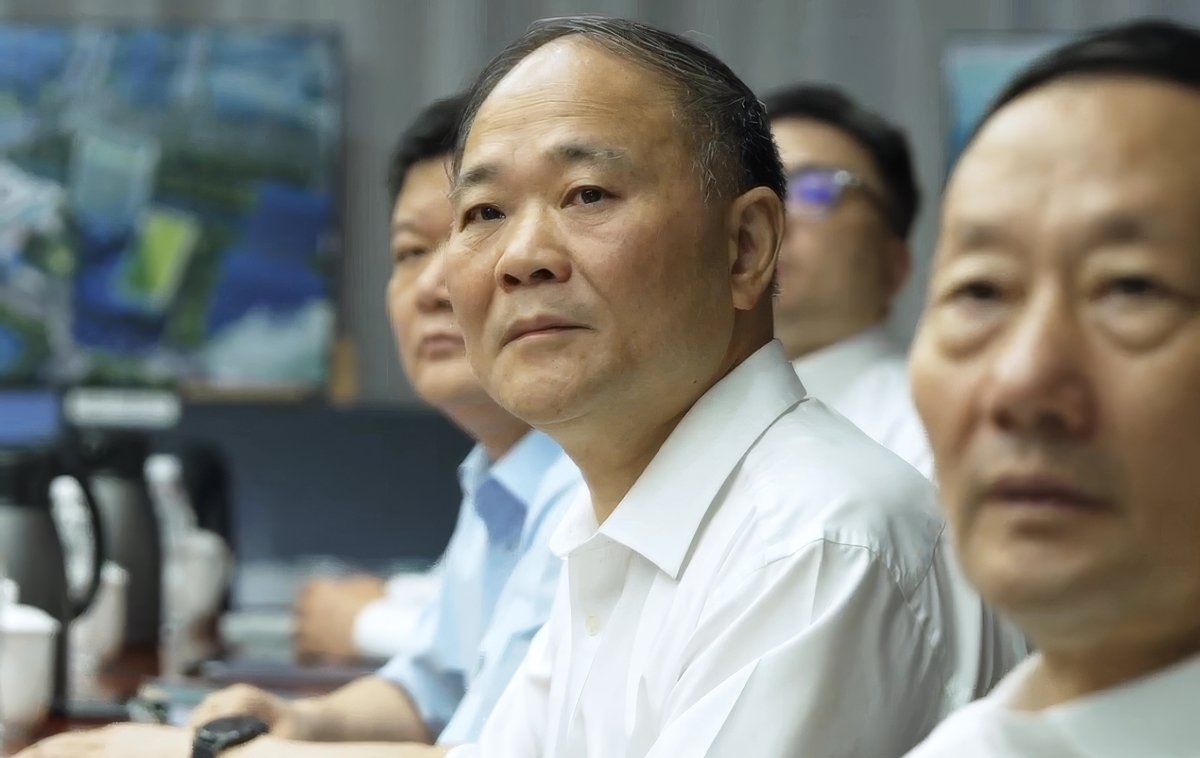
Geely Automobile has appointed Gan Jiayue as chief executive officer as part of a leadership overhaul that also sees founder Li Shufu step down as chairman and executive director.
The changes took effect on 18 August as the Chinese automaker put its long-term succession plan into action.
An Conghui, a Geely executive since 1996, succeeded Li as chairman. He has held several senior posts across the group and previously led Zeekr, Geely’s premium electric vehicle brand.
Gan replaced Gui Shengyue, who relinquished the CEO post to become vice chairman. Gui remains an executive director, while former vice chairman Li Donghui continues to serve on the board as an executive director.
Geely said Gan’s management experience and knowledge of the automotive industry would support the company’s operations and long-term plans.
Li Shufu founded Geely in 1986 in Taizhou, Zhejiang province. The business began as a maker of refrigerator parts before entering motorcycle and automobile production.
The company later grew into one of China’s largest privately owned automotive groups, with brands and investments that include Volvo Cars, Polestar, Lotus, Zeekr and Lynk & Co.
Li was named honorary chairman for life in recognition of his contribution to Geely Automobile. The title carries no formal authority within the company’s governance structure.
He remains Geely Automobile’s controlling shareholder and chairman of parent company Zhejiang Geely Holding Group. This will keep him involved in the wider automotive business even after leaving his posts at the listed unit.
Geely said Li stepped down to devote more time to his other business commitments and support the company’s succession plan. He also confirmed that he had no disagreement with the board.
The leadership change comes as Geely increases its overseas presence and faces strong competition in China’s new-energy vehicle market.
An said the company wants two-thirds of its sales to come from markets outside China over the long term. Gan also outlined a target of 600,000 annual vehicle sales in Europe within two to three years.
Geely reached an agreement with Ford in July to produce electric SUVs at the American automaker’s plant in Spain and develop another vehicle for Europe. Volvo’s European factories are also expected to manufacture selected luxury models for other Geely-owned brands.
The group plans to rely on partnerships and existing factories as it expands instead of building new production capacity in every overseas market.
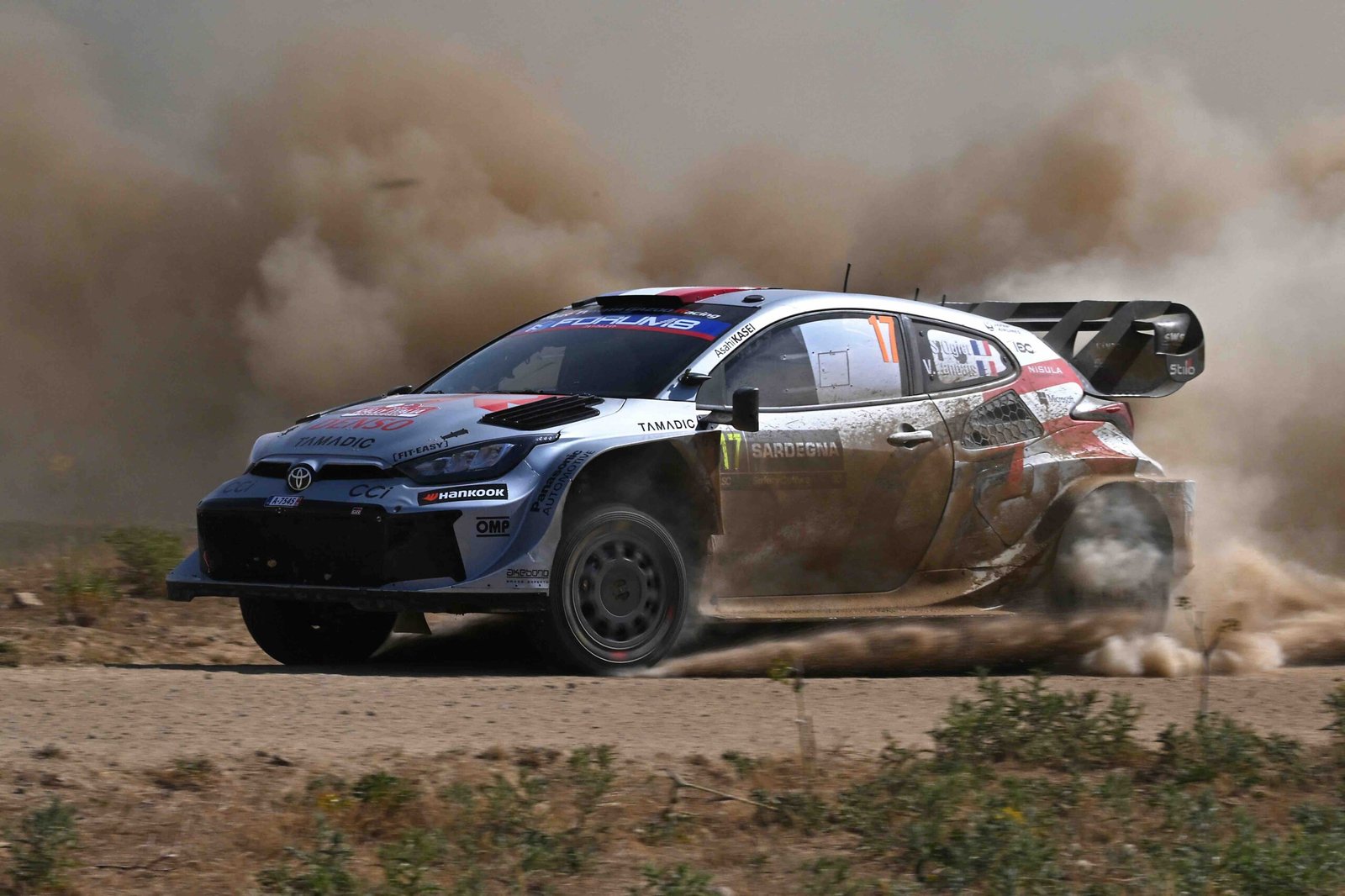
Toyota has raised its full-year profit forecast after a weak yen, cost reductions and stronger hybrid sales helped offset the impact of the Middle East conflict and tougher competition in China.
Japan’s biggest automaker now expects net income of ¥3.25 trillion for the financial year ending 31 March 2027, up from its May estimate of ¥3 trillion. The new forecast is still below the ¥3.8 trillion it earned in the previous year.
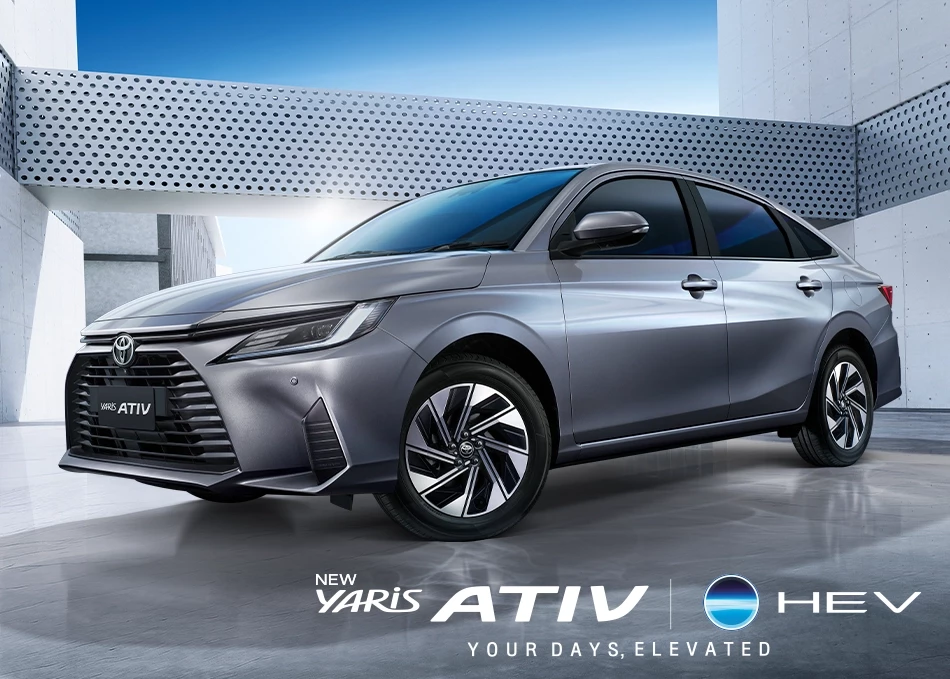
Toyota also lifted its operating-income outlook to ¥3.4 trillion from ¥3 trillion, while it expects revenue to reach ¥54 trillion, a 6.5-percent increase from the prior year.
The revision came shortly after Japan and the United States jointly intervened in currency markets to support the yen. The Japanese currency had dropped to its weakest level against the dollar since 1986 before recovering last week.
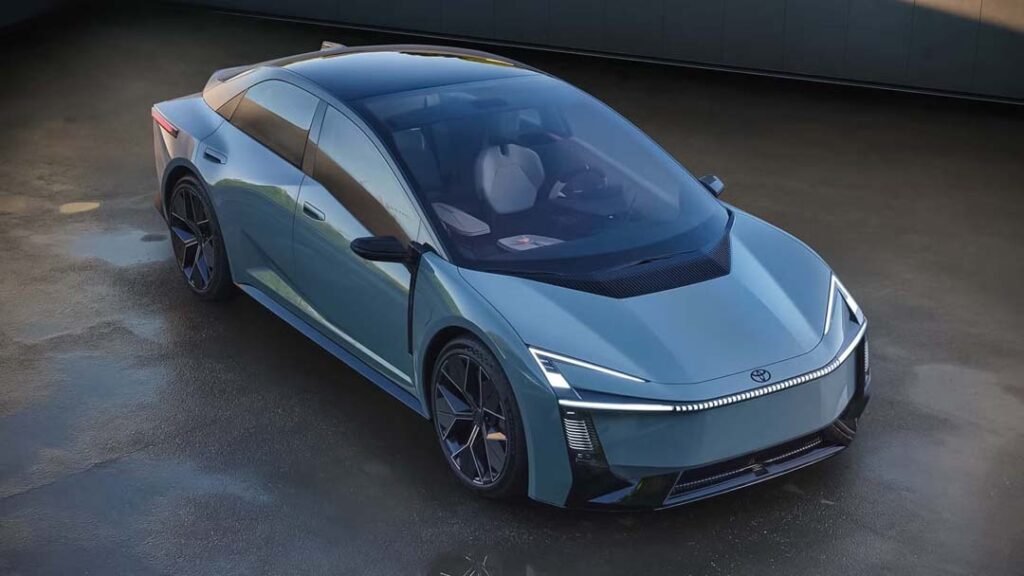
A weaker yen raises Japan’s import bill, particularly for oil and raw materials, but it also increases the value of overseas earnings when converted back into yen. It can also make Japanese-made vehicles more competitively priced abroad.
For Toyota, the benefits helped cushion disruptions caused by the Middle East war. The conflict has raised material costs and made shipping to the region more difficult.
Toyota executive Takanori Azuma said its usual route through the Strait of Hormuz had become unavailable, forcing shipments to take the much longer route around South Africa’s Cape of Good Hope. The detour doubled logistics lead times.
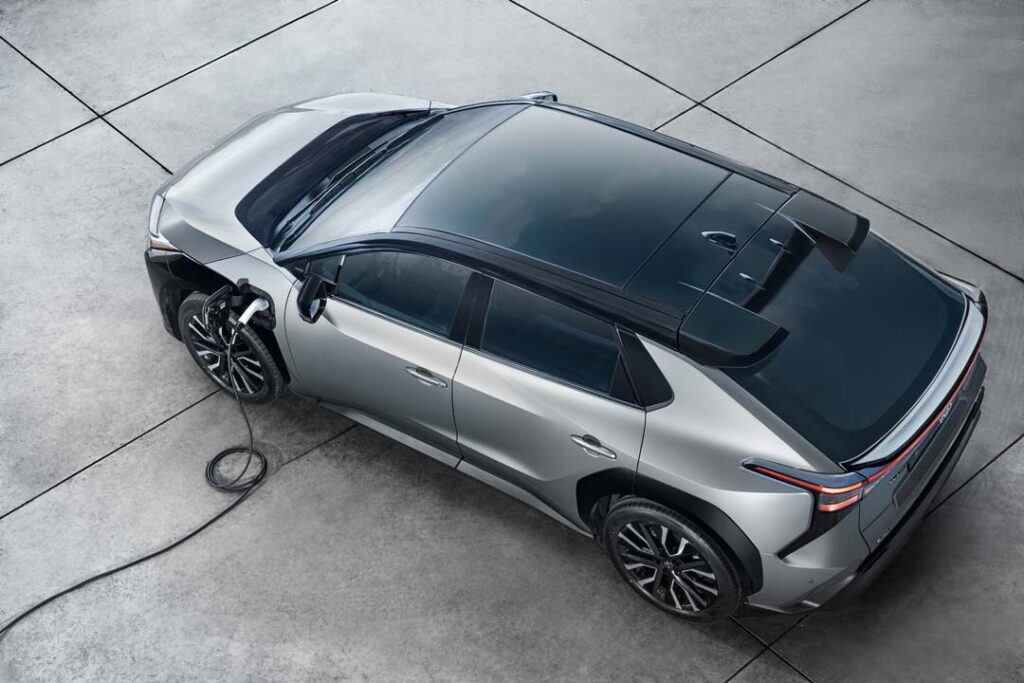
The carmaker is now developing other routes, including transferring vehicles before the Strait of Hormuz and moving them by land into Middle Eastern markets.
Toyota reported first-quarter net income of ¥1.5 trillion, up 75.6 percent from a year earlier and above market expectations. Revenue rose 10.4 percent to ¥13.5 trillion.
Operating income, however, declined 8.8 percent to ¥1.1 trillion. It was Toyota’s fifth consecutive quarterly decline in operating income.
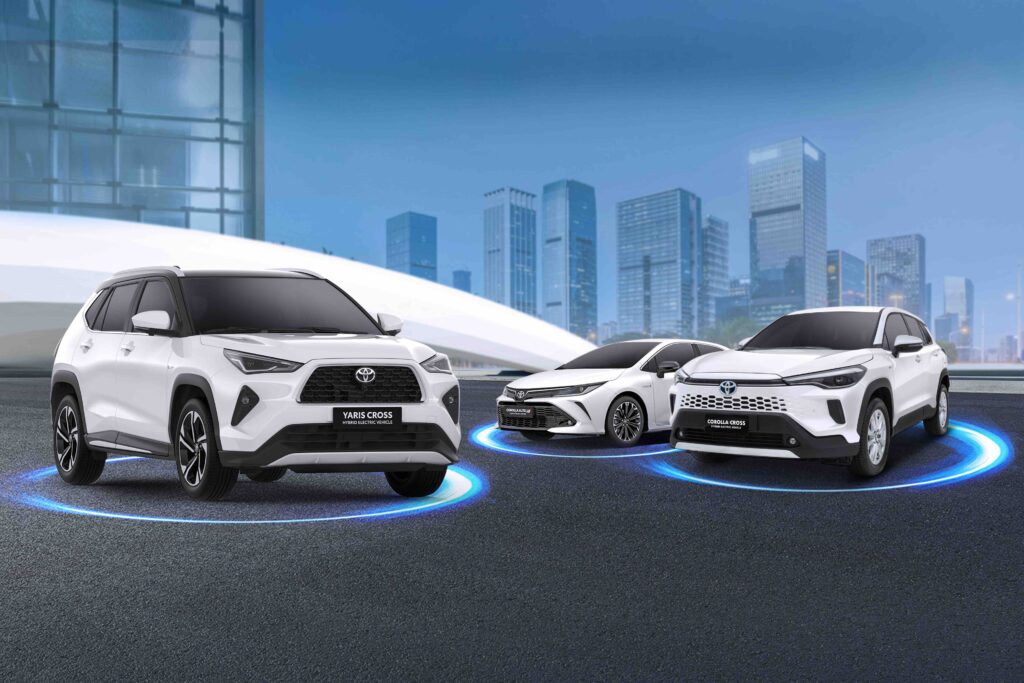
Hybrid sales, currency effects and cost-cutting measures helped soften the pressure from the Middle East situation, the company said. Yet its global vehicle sales still fell 2.8 percent in the first half of calendar 2026, with sales in China dropping 17.1 percent.
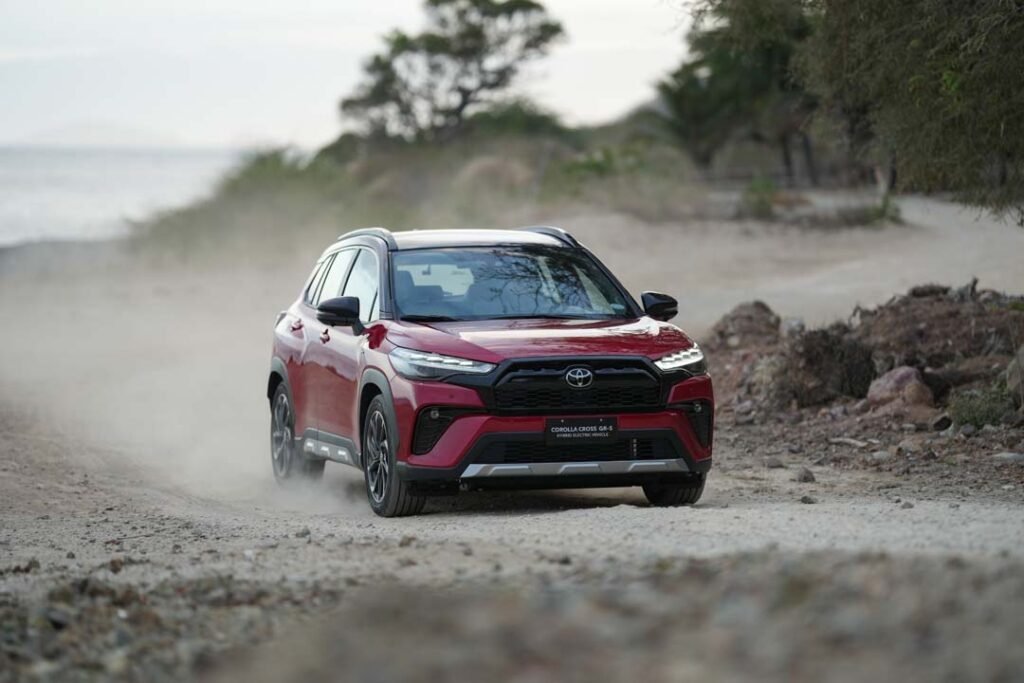
The China decline comes as local manufacturers continue to gain ground. BYD recently entered Japan’s kei-car market, putting the Chinese electric-vehicle giant in more direct competition with Toyota, Nissan and Suzuki.
Toyota also announced a ¥1-trillion share buyback programme. Its shares nevertheless fell nearly two percent in Tokyo trading on Tuesday.







Pingback: China’s new superbike challenger - ridenetwork.ph