Industry News
Global Green Light

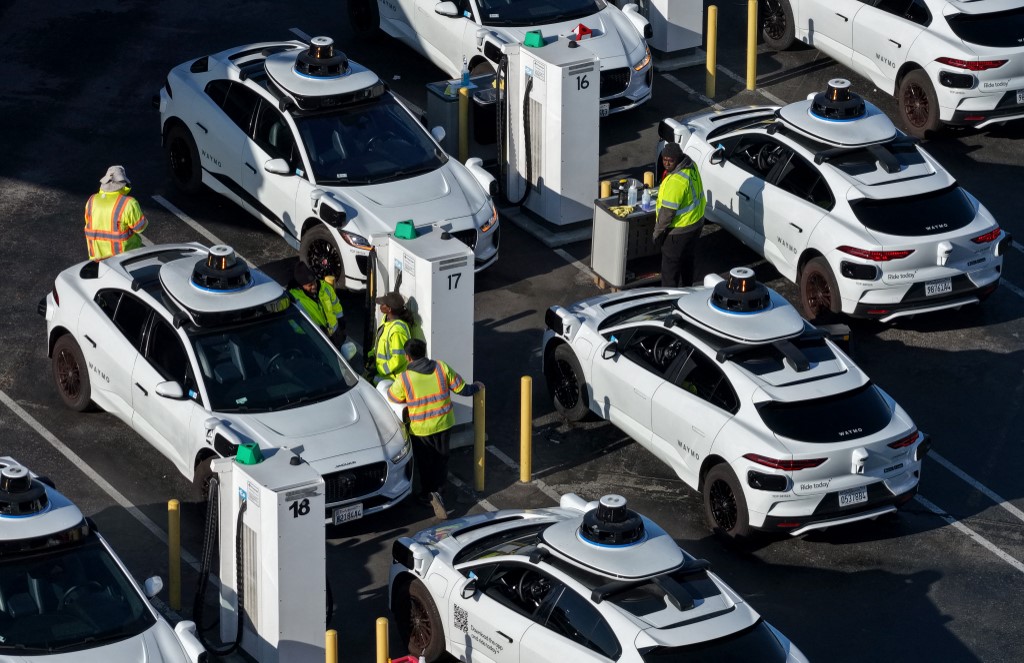
The United Nations has adopted the first global regulations for fully autonomous vehicles, setting uniform safety requirements that could support wider deployment of self-driving cars across major markets.
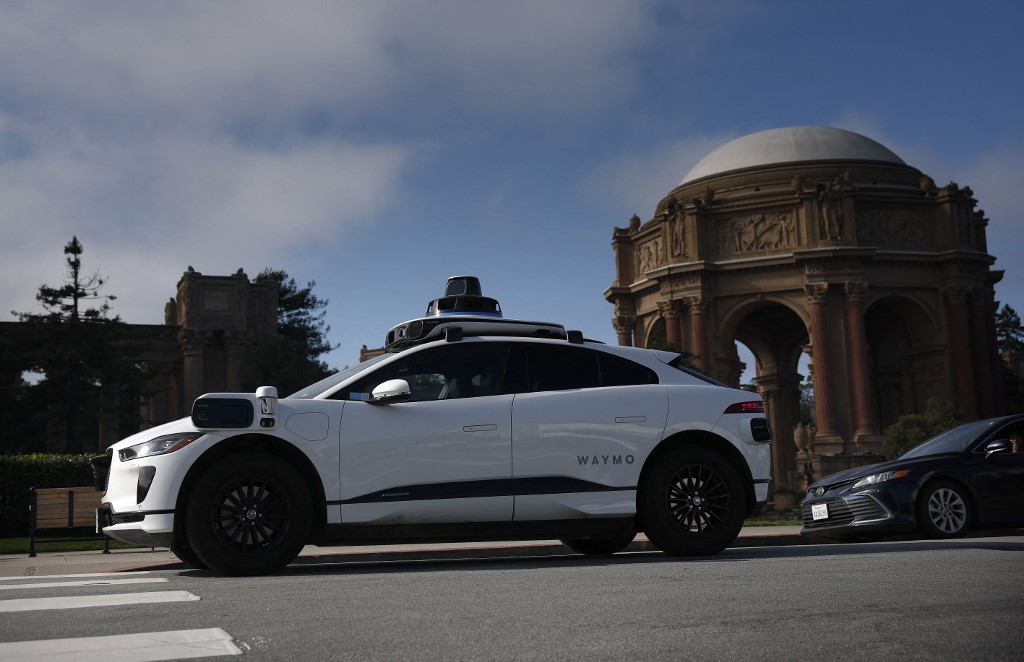
The rules were adopted Wednesday in Geneva by the World Forum for Harmonisation of Vehicle Regulations under the UN Economic Commission for Europe. The framework covers vehicles equipped with fully autonomous driving systems, or ADS, but does not cover assisted driving features.

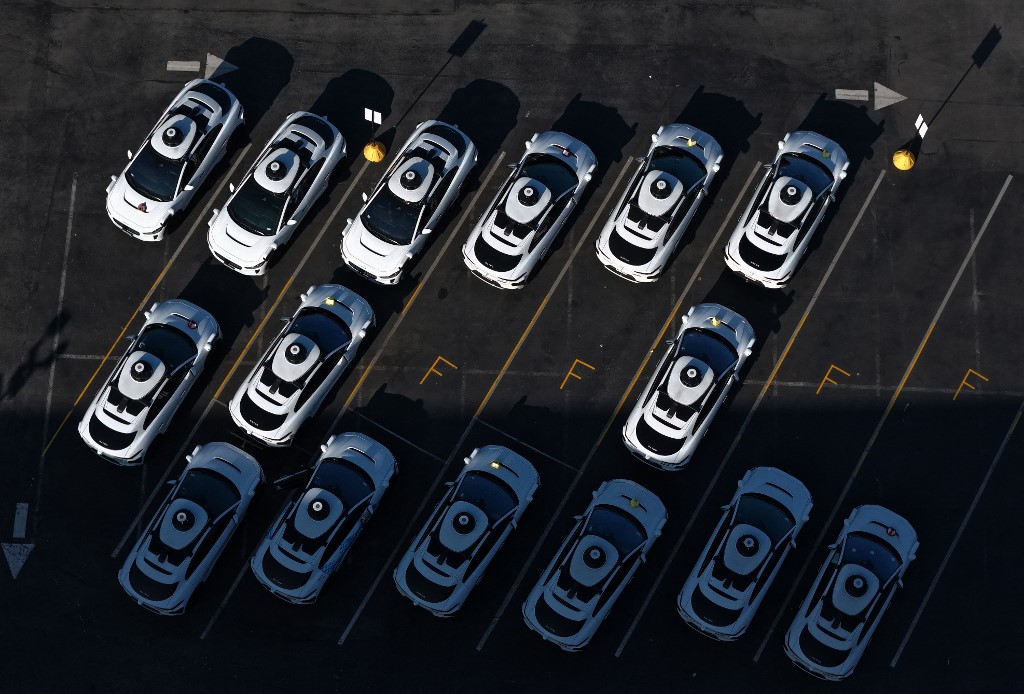
The move comes as robotaxi services expand in China and the United States, where private fleets more than doubled in 2025 to 8,000 vehicles across more than two dozen major cities. The International Energy Agency expects 700,000 to three million robotaxis to operate in 40 to 80 major cities by 2035.
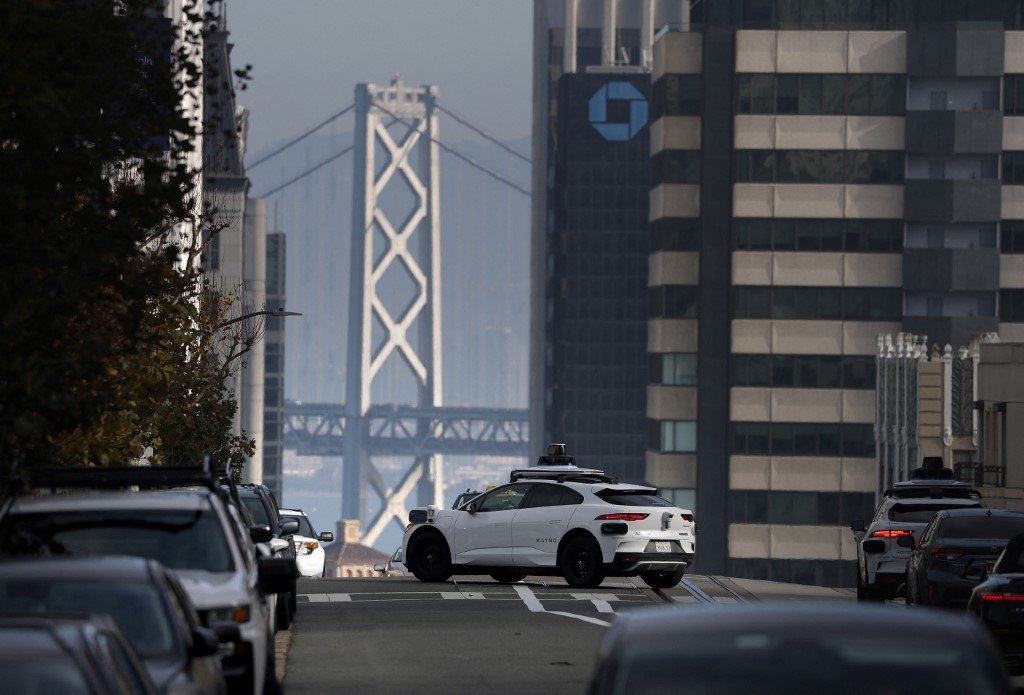
UNECE said the framework aims to build trust among governments, manufacturers and the public by requiring automated systems to meet strict safety standards. Richard Damm, chair of the UNECE Working Party on Automated/Autonomous and Connected Vehicles, called the adoption a major step for future road technology.
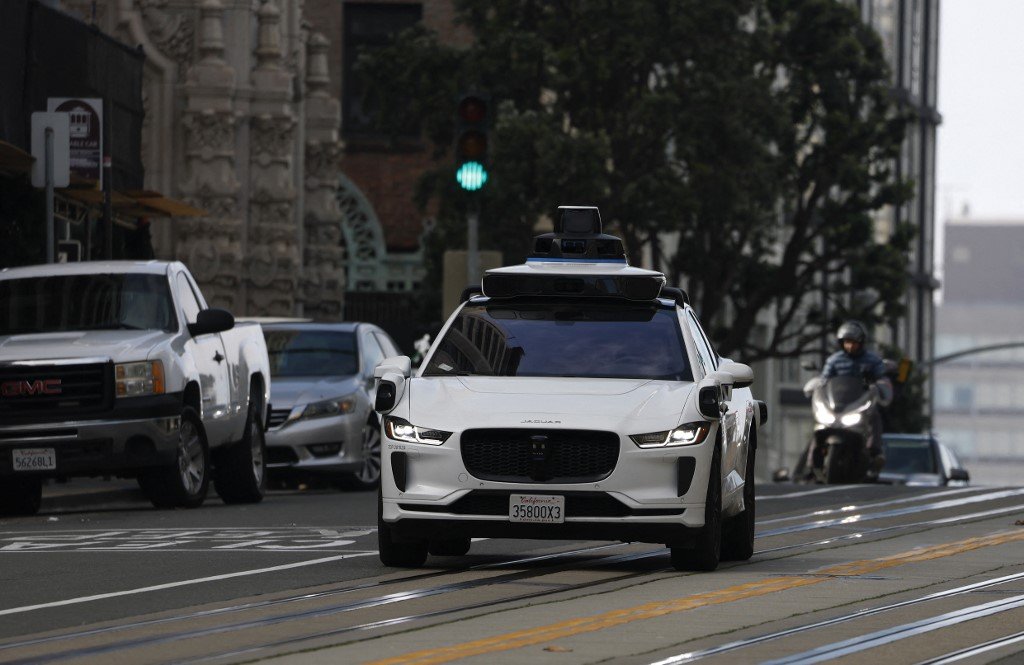
Under the new framework, manufacturers must show that testing meets strict credibility standards. They must also maintain audited safety governance throughout the ADS lifecycle, provide evidence that their systems pose no unreasonable risk, and monitor performance continuously.
Vehicles covered by the rules must also record and store safety-relevant ADS data.
UNECE said the framework was backed by major auto markets, including the United States, China, the European Union, Japan and Britain. Officials expect the rules to enter into force in January 2027, with some manufacturers already preparing for compliance.
The rules were adopted through two separate international agreements. More than half of the 62 parties to a 1958 agreement voted unanimously to implement the regulations, allowing autonomous vehicles produced in one member country to be sold in others without further controls.
The United States, Canada and China, which are not part of that agreement, joined 10 other countries in adding the same rules to a 1998 agreement. That agreement does not provide automatic mutual recognition between countries.
Damm said bringing major markets into the framework did not weaken the safety requirements.
“This regulation is not a compromise on safety,” he said.