Industry News
Toyota Finds Yen Relief

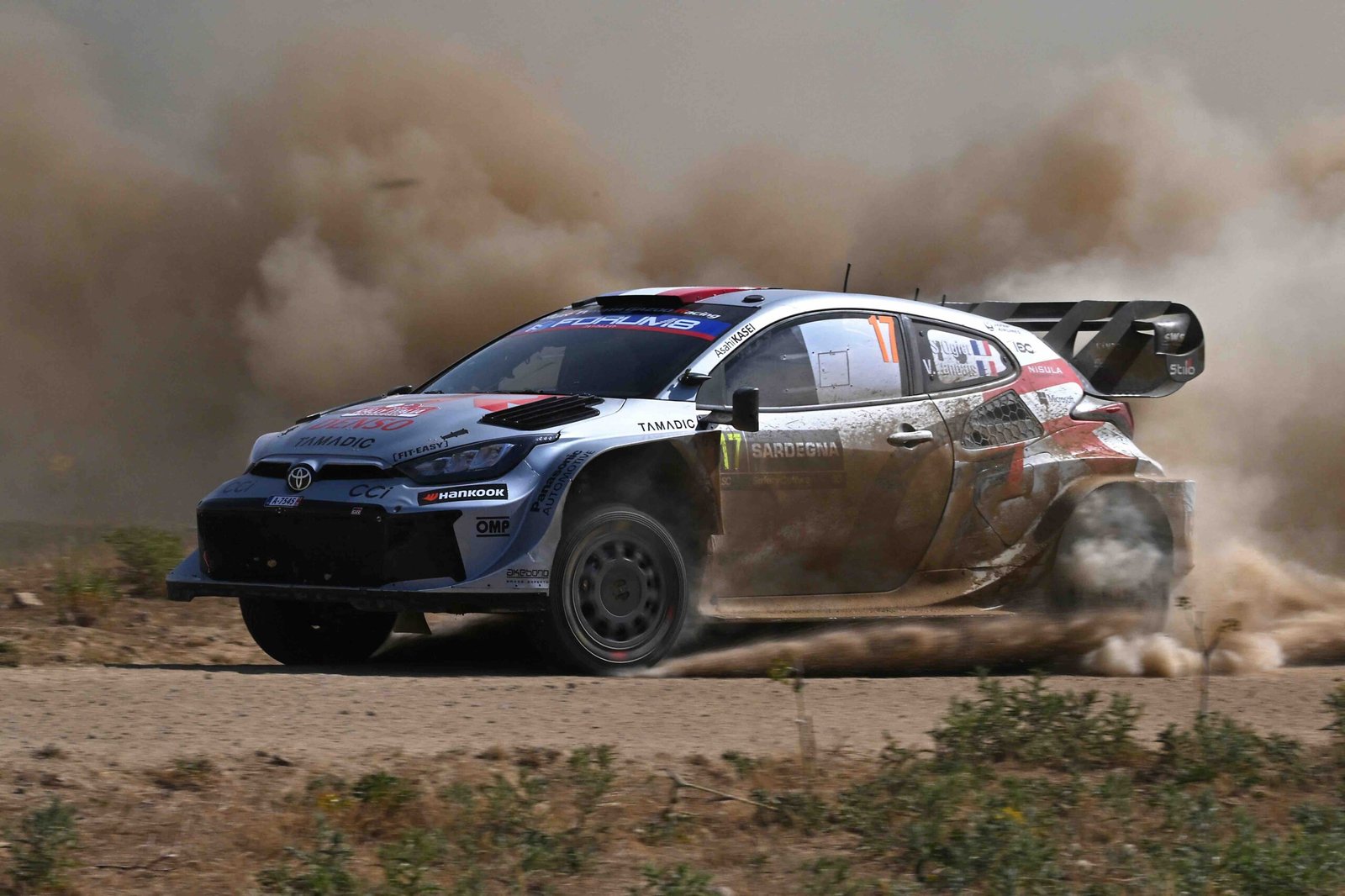
Toyota has raised its full-year profit forecast after a weak yen, cost reductions and stronger hybrid sales helped offset the impact of the Middle East conflict and tougher competition in China.
Japan’s biggest automaker now expects net income of ¥3.25 trillion for the financial year ending 31 March 2027, up from its May estimate of ¥3 trillion. The new forecast is still below the ¥3.8 trillion it earned in the previous year.

Toyota also lifted its operating-income outlook to ¥3.4 trillion from ¥3 trillion, while it expects revenue to reach ¥54 trillion, a 6.5-percent increase from the prior year.
The revision came shortly after Japan and the United States jointly intervened in currency markets to support the yen. The Japanese currency had dropped to its weakest level against the dollar since 1986 before recovering last week.
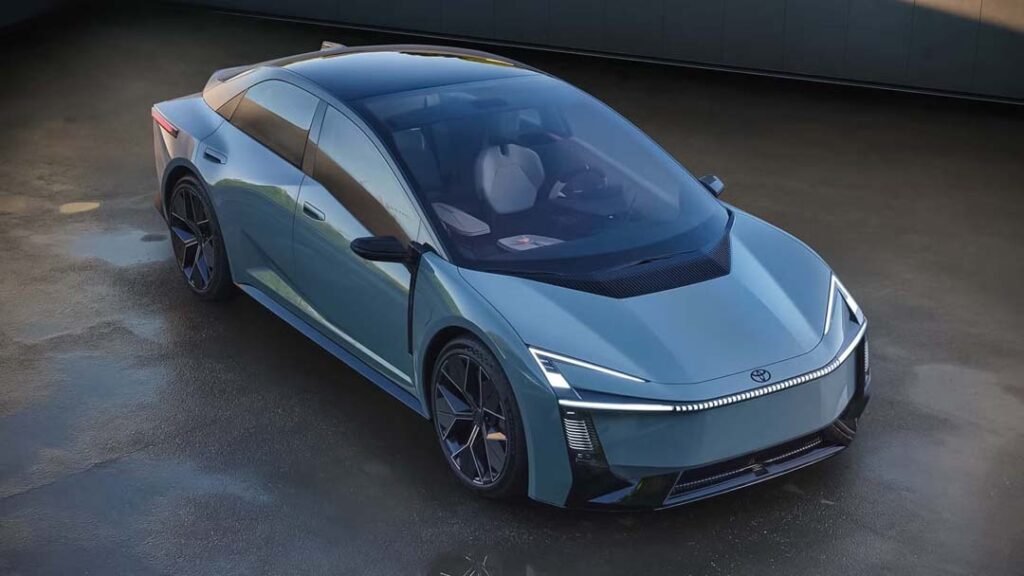
A weaker yen raises Japan’s import bill, particularly for oil and raw materials, but it also increases the value of overseas earnings when converted back into yen. It can also make Japanese-made vehicles more competitively priced abroad.
For Toyota, the benefits helped cushion disruptions caused by the Middle East war. The conflict has raised material costs and made shipping to the region more difficult.
Toyota executive Takanori Azuma said its usual route through the Strait of Hormuz had become unavailable, forcing shipments to take the much longer route around South Africa’s Cape of Good Hope. The detour doubled logistics lead times.
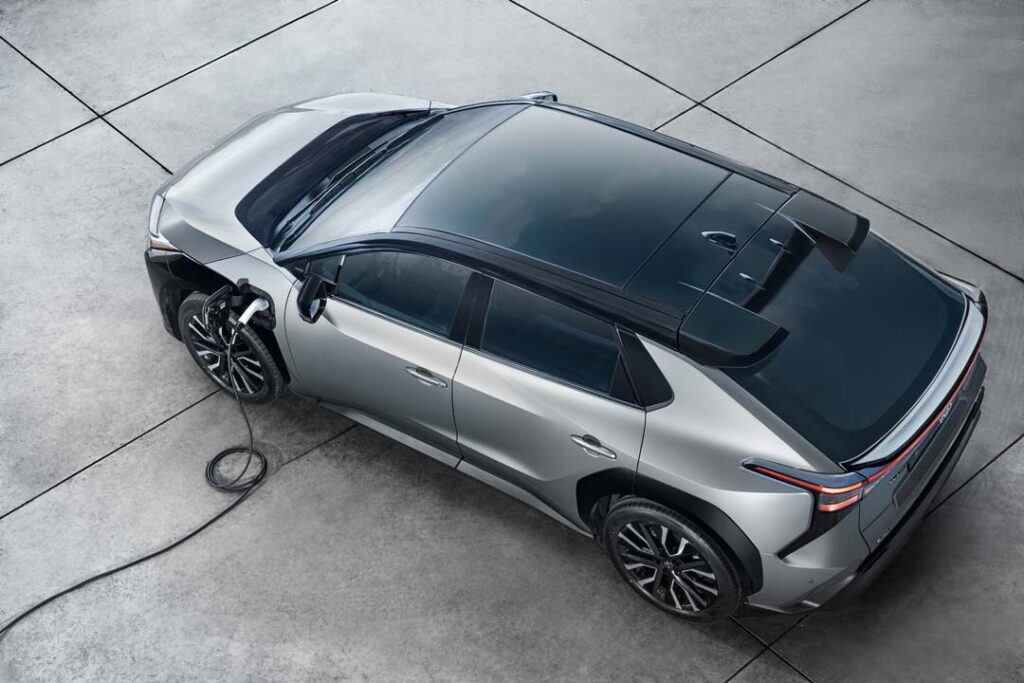
The carmaker is now developing other routes, including transferring vehicles before the Strait of Hormuz and moving them by land into Middle Eastern markets.
Toyota reported first-quarter net income of ¥1.5 trillion, up 75.6 percent from a year earlier and above market expectations. Revenue rose 10.4 percent to ¥13.5 trillion.
Operating income, however, declined 8.8 percent to ¥1.1 trillion. It was Toyota’s fifth consecutive quarterly decline in operating income.

Hybrid sales, currency effects and cost-cutting measures helped soften the pressure from the Middle East situation, the company said. Yet its global vehicle sales still fell 2.8 percent in the first half of calendar 2026, with sales in China dropping 17.1 percent.
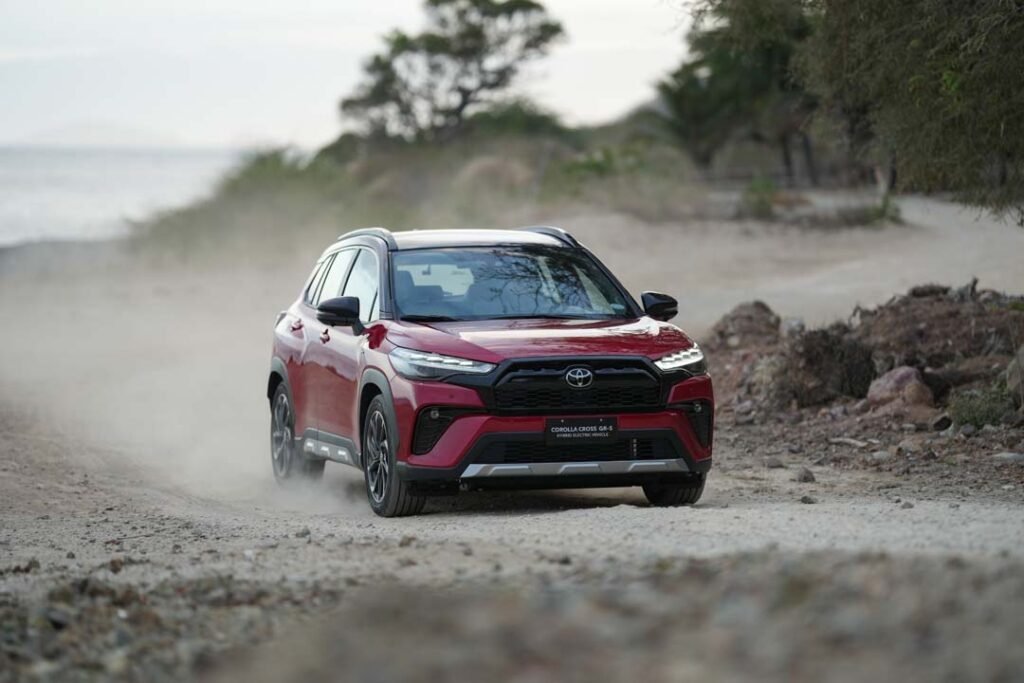
The China decline comes as local manufacturers continue to gain ground. BYD recently entered Japan’s kei-car market, putting the Chinese electric-vehicle giant in more direct competition with Toyota, Nissan and Suzuki.
Toyota also announced a ¥1-trillion share buyback programme. Its shares nevertheless fell nearly two percent in Tokyo trading on Tuesday.