Motorcycles
China’s new superbike challenger

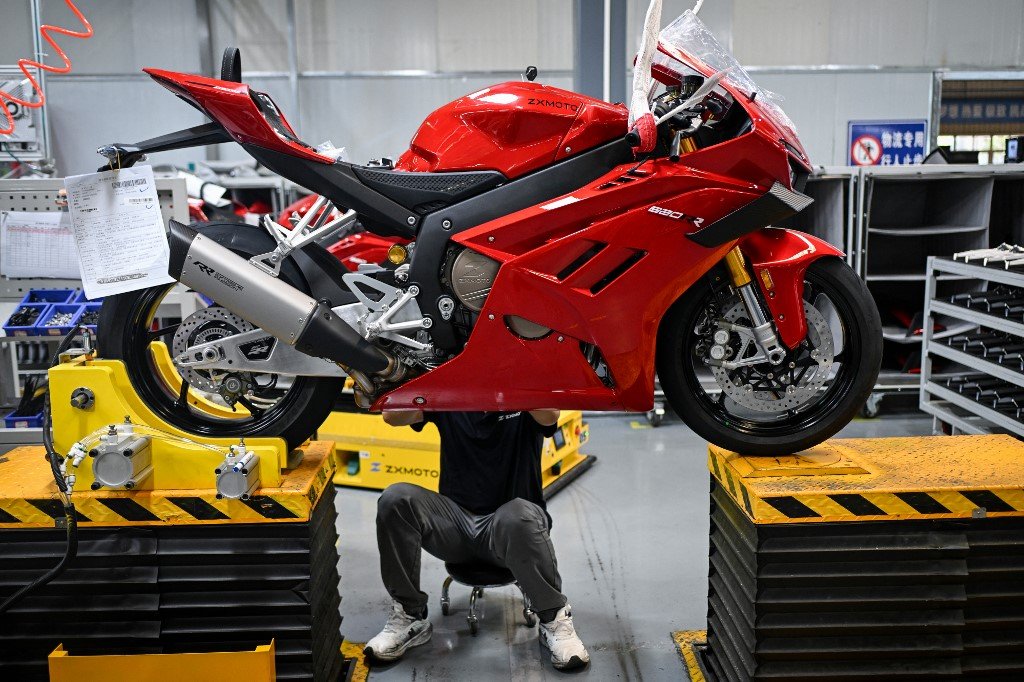
Chongqing, China | A breakthrough victory in international racing has placed Chinese motorcycle manufacturer ZXMoto on a fast road toward global expansion.
Founder Zhang Xue watched the company’s superbike finish four seconds ahead of its rivals at the Supersport World Championship in March. It was only ZXMoto’s third race in the series, but the result immediately lifted demand for its motorcycles.
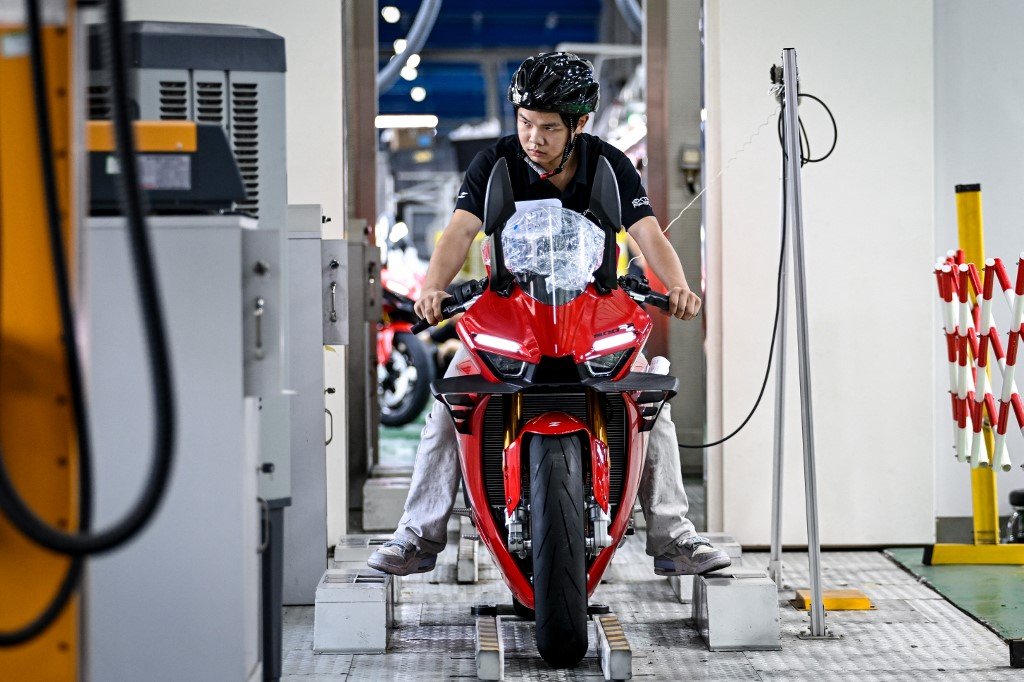
ZXMoto has since doubled its workforce, while its factory in Chongqing operates around the clock. Production has yet to catch up, with customers still waiting several months for their orders.
“You have this dream you’ve been thinking about for many years, and when it finally comes true, I was so happy,” Zhang said.
The former motorcycle mechanic established ZXMoto two years ago and now wants the company to challenge established European and Japanese manufacturers.
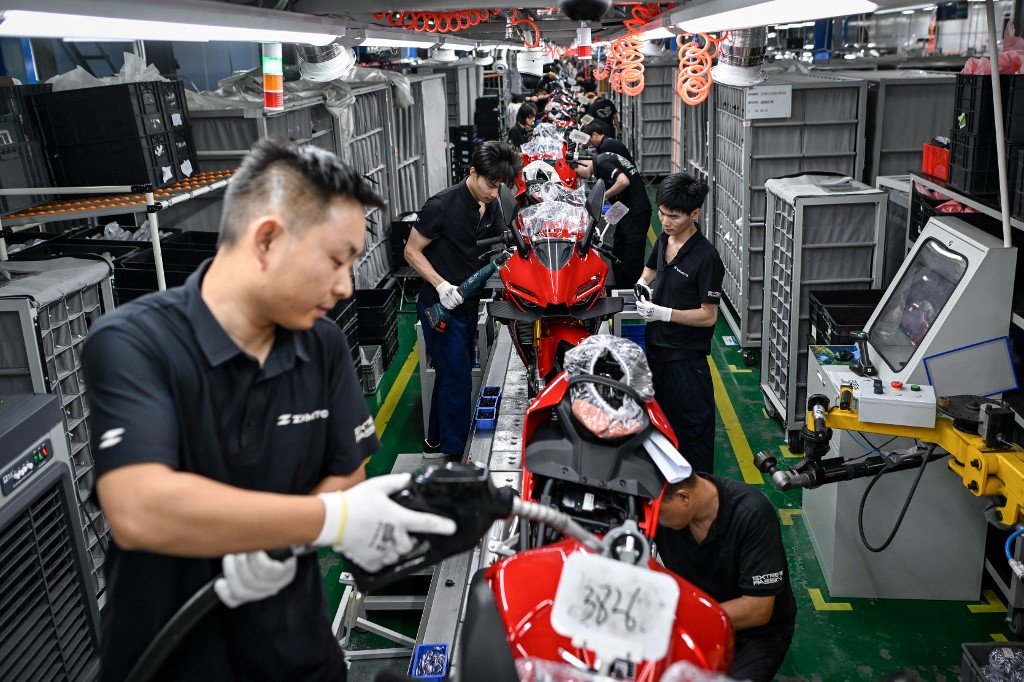
Its flagship 820RR produces 133 horsepower and can accelerate from zero to 100 kilometers per hour in 2.8 seconds. It retails for around 43,000 yuan, or about $6,370, in China, which makes it at least 30 percent cheaper than comparable foreign motorcycles.
The combination of performance and price has attracted local riders who previously looked to brands such as Kawasaki, Yamaha, Honda and Ducati.
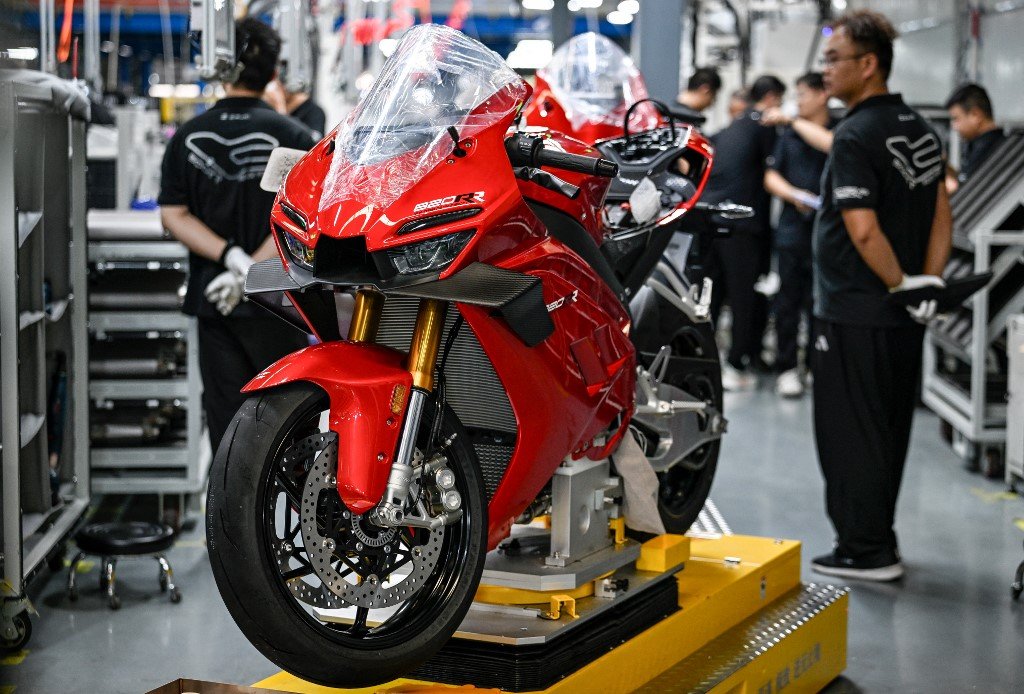
ZXMoto sold 25,000 motorcycles in 2025 and expects that figure to reach 100,000 units this year. The company plans to double annual sales by 2027, which would place its volume near BMW Motorrad’s present scale.
However, the company’s growth comes as China’s domestic motorcycle industry faces lower demand and tighter profit margins.
Motorcycle sales in China fell 3.4 percent in 2025 and continued to decline this year. More buyers are choosing cars or electric two-wheelers, while intense competition has forced manufacturers to reduce prices.
“Twenty years ago, as long as you produced a motorcycle, even if it didn’t start, people would line up to give you money,” Zhang said. “Now, if you don’t get serious, you will be eliminated by the market.”
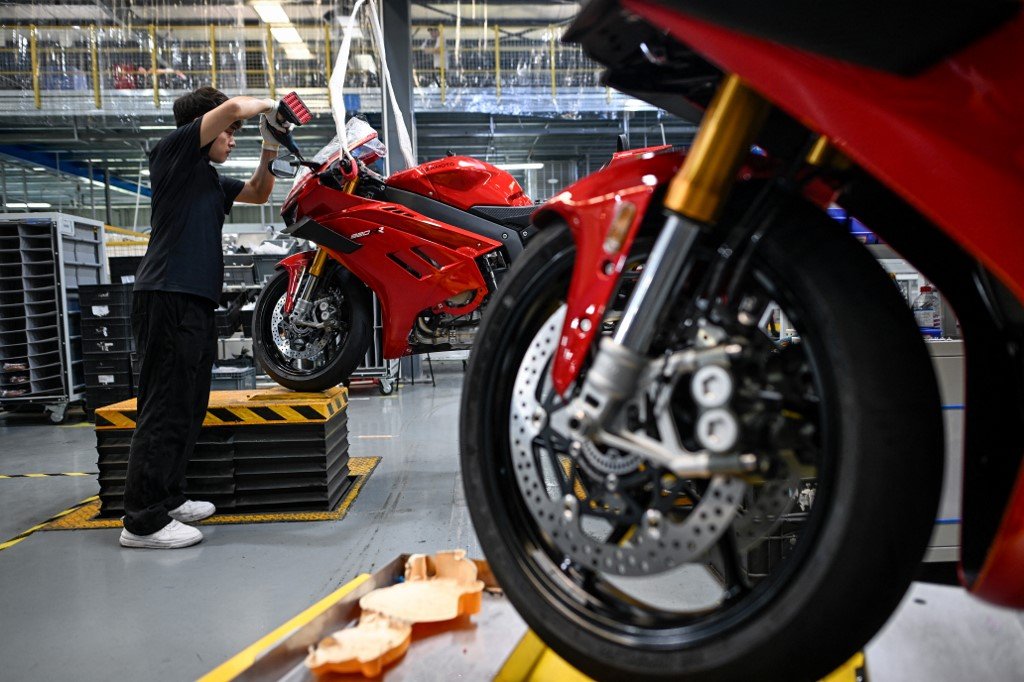
ZXMoto enjoys a loyal following in China, where Zhang’s rise from mechanic to motorcycle manufacturer has made him a symbol of the country’s industrial progress. That domestic support may not be enough as local demand weakens, which has made overseas sales increasingly important.
China produced 22 million motorcycles last year, and half were exported. Manufacturers are now seeking markets with stronger purchasing power and better margins.
ZXMoto aims to export 40,000 motorcycles to Europe in 2027. Another Chongqing manufacturer, Shineray, already sells 90 percent of its entry-level models in South America, Southeast Asia and Africa.
Chongqing gives these companies access to more than 50 motorcycle manufacturers and hundreds of component suppliers. The city’s large industrial base helps brands develop products quickly and control production costs.
Bill Russo, an expert on China’s automotive industry, said companies such as ZXMoto are coming from one of the world’s most competitive manufacturing environments. Integrated supply chains and rapid product development have helped them improve at a pace similar to Chinese carmakers.
Russo compared today’s Chinese motorcycle industry with the country’s passenger-car sector about a decade ago. Companies such as BYD and Geely eventually became serious competitors to long-established foreign manufacturers through competitive pricing and improving technology.
Motorcycles may prove more difficult because buyers often place greater value on racing history, heritage and brand prestige. Those qualities give Japanese and European companies a stronger position than many foreign carmakers once had in China.
“The gap is closing, but it won’t close overnight,” Russo said.
ZXMoto nevertheless expects overseas customers to account for most of its sales within five years. The company is also preparing an 800-million-yuan factory scheduled to open in late 2027.
Its long-term target is to rank among the world’s 10 largest motorcycle brands by 2034.
“When Japanese products first entered Europe, there was the same reaction. There were many questions,” Zhang said. “But as long as the products are good, one day people will accept and enjoy them.”