Industry News
Driven to Half a Million

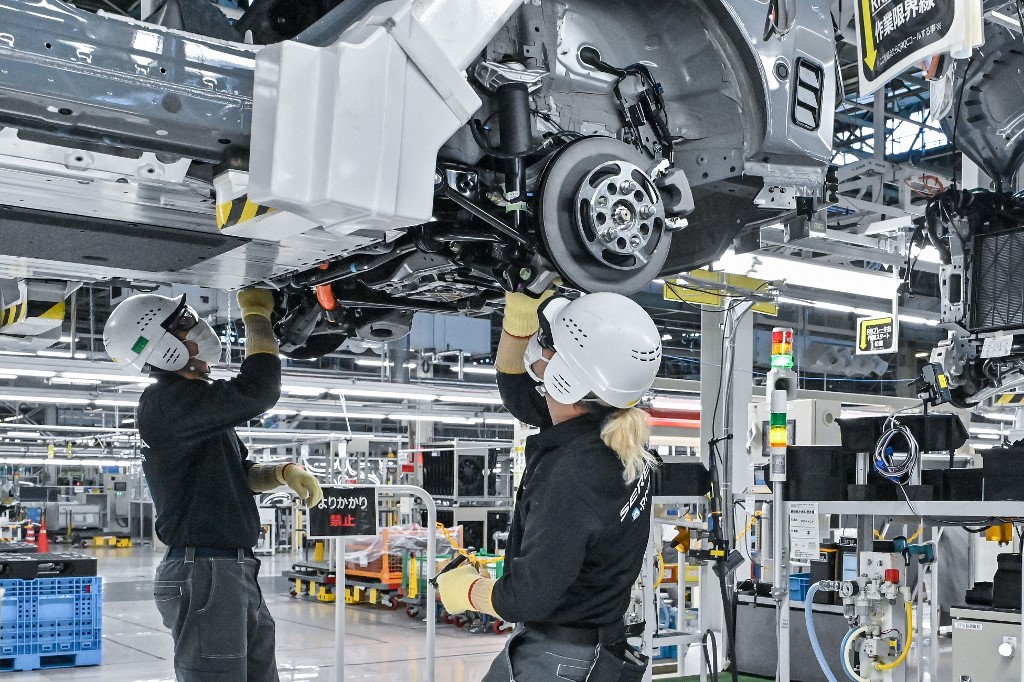
PH Car Industry Gears Up for Historic Sales Milestone
MANILA — The Philippine automotive industry is on track to hit an all-time high of 500,000 car sales by the end of 2025, industry officials said at the Auto Parts & Vehicles Expo held at the World Trade Center in Pasay City.
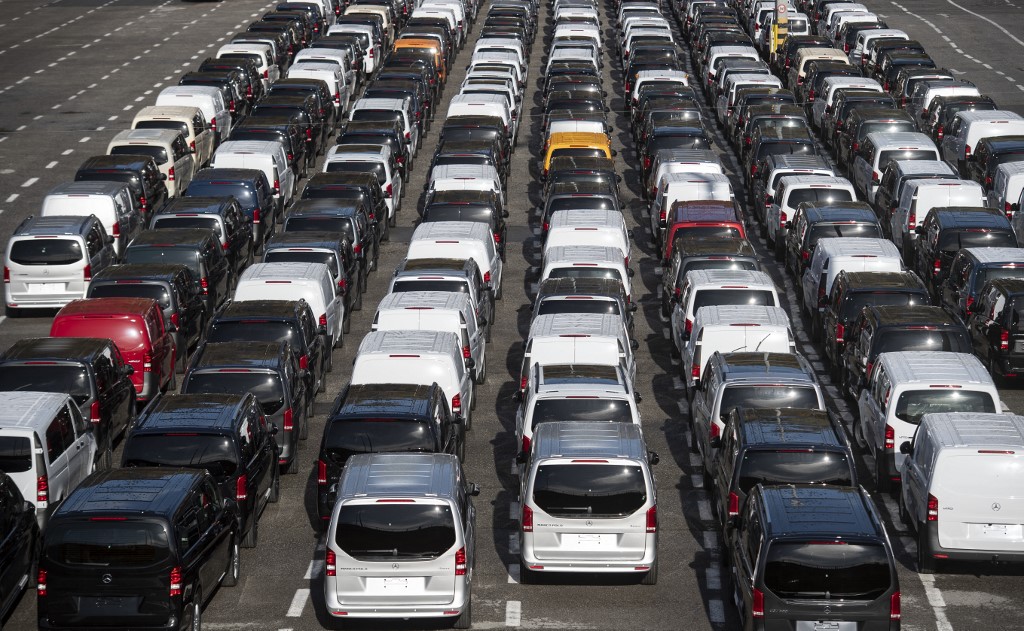
GT Capital Auto & Mobility Holdings Chairman Vince Socco said they’re forecasting approximately 512,000 vehicle sales for the year, surpassing last year’s record of 475,000 units. “In the region, the Philippines is actually the second fastest growing market after Vietnam,” Socco noted. “It’s a very encouraging outlook.”
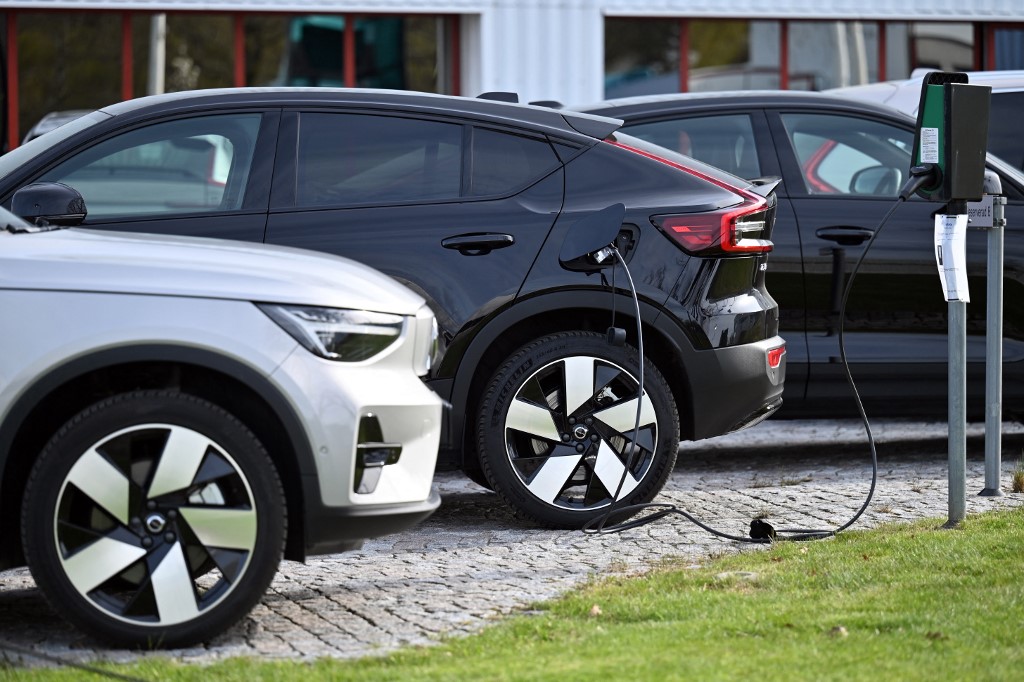
As of the first half of the year, the sector is already showing a 6% increase in sales, and if the pace continues, the target of half a million units is within reach. Data from the Chamber of Automotive Manufacturers of the Philippines, Inc. (CAMPI) and the Truck Manufacturers Association (TMA) show 190,429 units sold from January to May, up 1.7% from the same period last year.
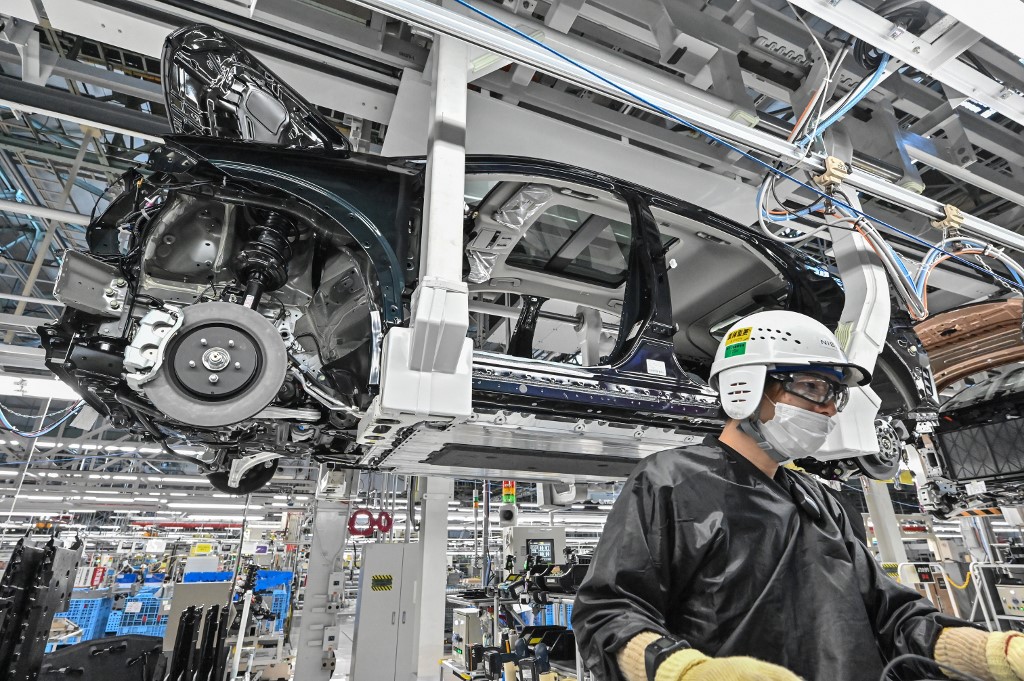
Socco said that breaking past the 500,000 mark would put the Philippines in the same league as Malaysia, Thailand, and Indonesia in terms of car sales—a strong sign of the country’s growing motorization.
He added that the country is beginning to benefit from economies of scale. “The growing vehicle population means we need to also ramp up local manufacturing of auto components. That’s where government support will be crucial.”
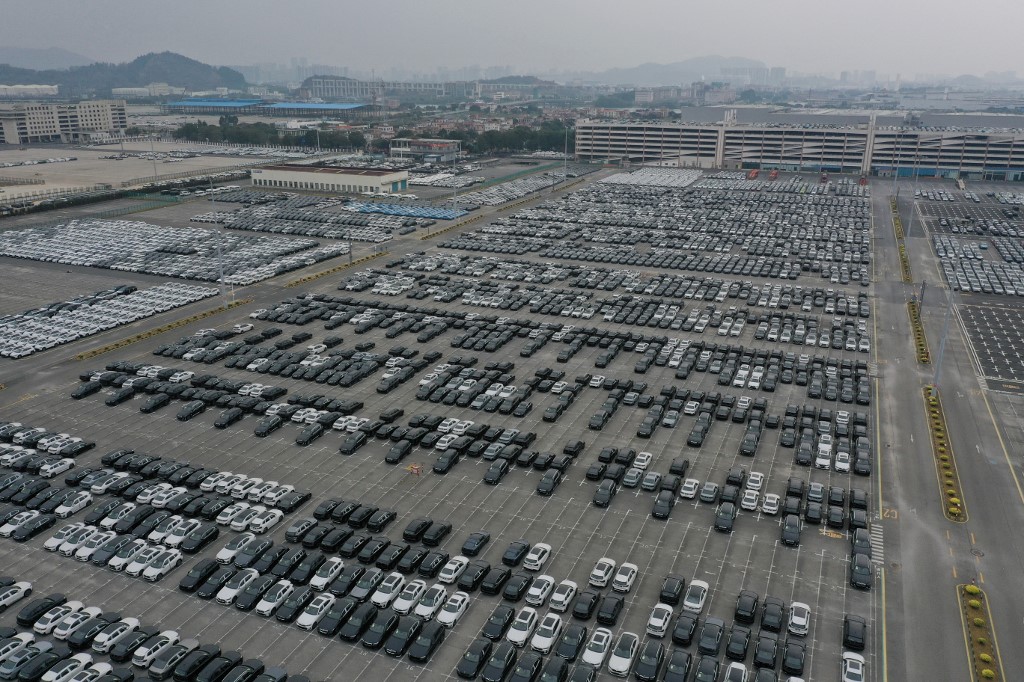
The event comes amid trade talks with the United States. President Ferdinand Marcos Jr. recently agreed to open up the local auto sector to more American imports as part of a new bilateral deal. In contrast, the U.S. will begin imposing a 19% tariff on Philippine exports starting August 1.
While the trade agreement grants zero tariffs for U.S. vehicles entering the Philippines, Socco believes the immediate impact may be limited. “American brands like Chevrolet, Ford, and Jeep are already here. Most of them source their units from ASEAN countries like Thailand and Indonesia where tariffs are already zero,” he explained.
However, he added that with zero tariffs in place, U.S. carmakers may introduce more models, particularly completely built units that aren’t produced in the region—offering more choices for Filipino consumers.
Meanwhile, the government is eyeing $1.28 billion in auto parts exports by 2025, up from $1.21 billion last year, signaling confidence not just in domestic demand but also in the sector’s export potential.
Trade Secretary Ma. Cristina Roque said final negotiations with the U.S. are ongoing but stressed that the Philippines has already given what it can in the talks, particularly in excluding sensitive agricultural products such as sugar and rice from the deal.
As the second half of 2025 rolls in, industry leaders remain hopeful that no economic disruptions will stall momentum. “It’s a good time to be in the auto sector,” said Socco.


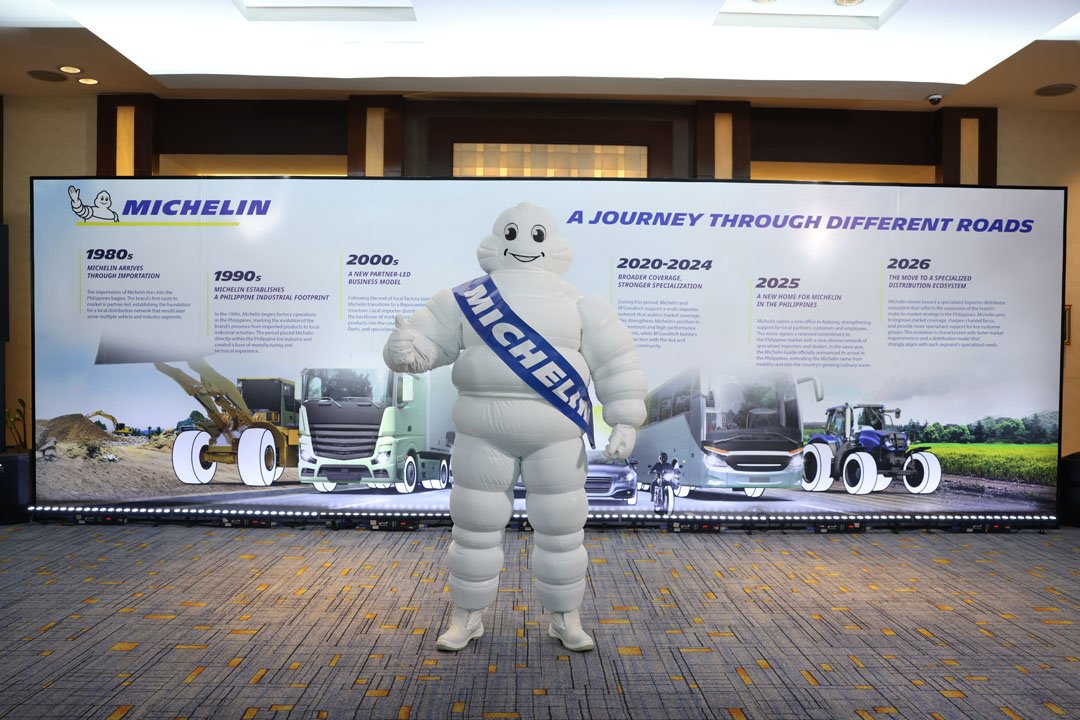
Michelin is strengthening its Philippine distribution network through three specialized importer-distributors serving passenger vehicles, commercial mobility, and industrial applications.
The company introduced Bermaz Auto Philippines for passenger car tires, BSB Junrose for commercial mobility, and Icon Equipment Solutions Philippines for specialized segments such as mining, construction, agriculture, and beyond-road operations.
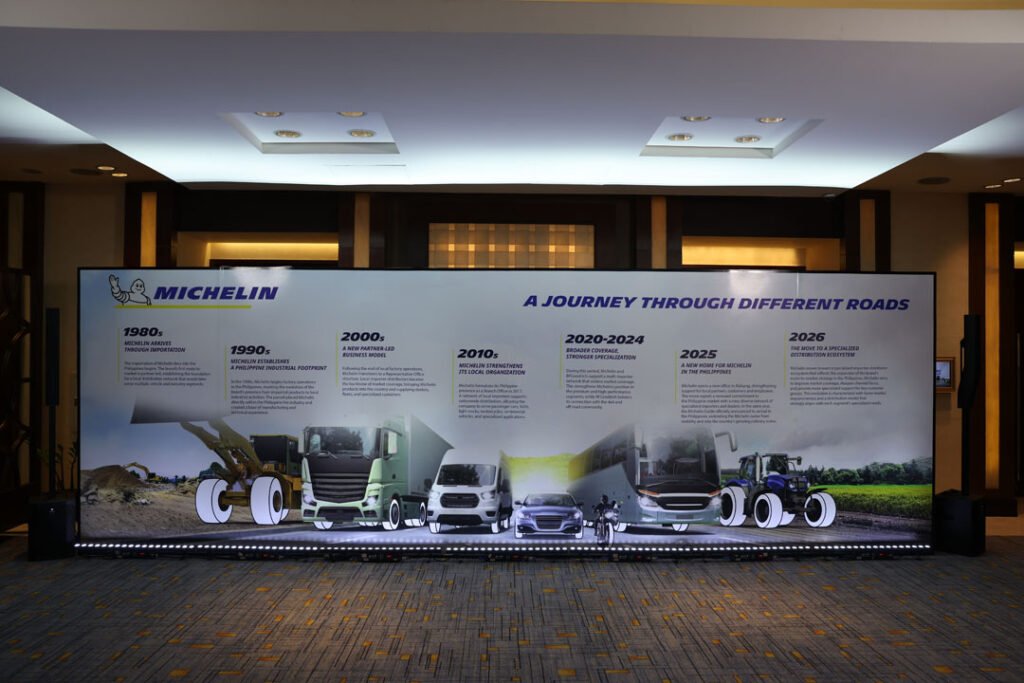
The new structure is designed to improve product access, technical support, and after-sales service as vehicle ownership, logistics, infrastructure projects, and industrial activity continue to grow in the country.
Michelin said the expanded network complements its existing partners while giving each customer group access to distributors with more focused expertise.
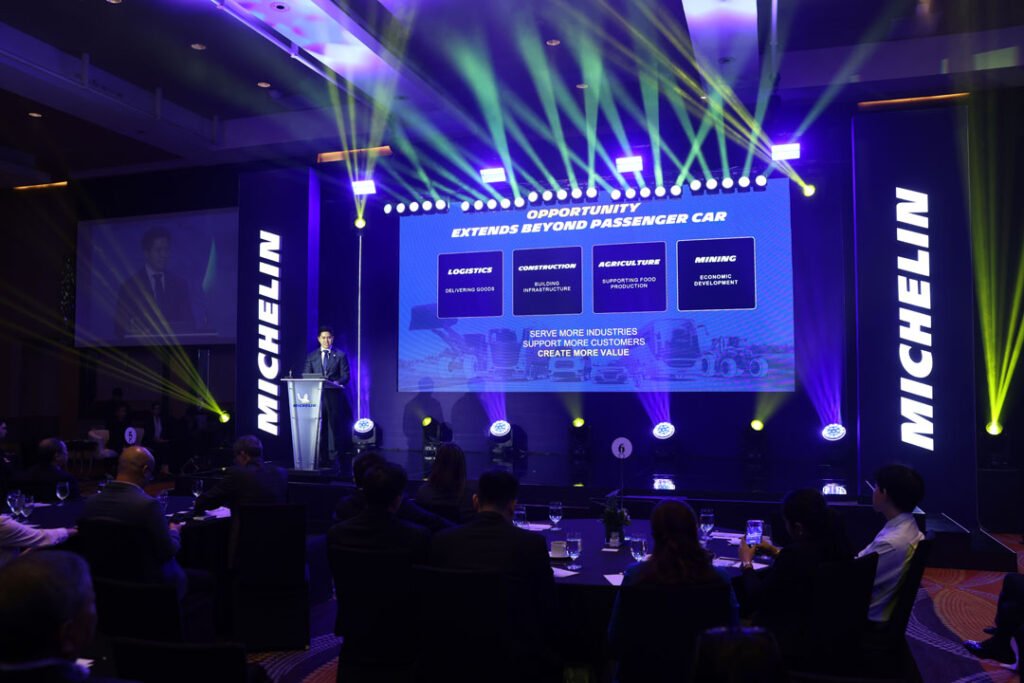
For passenger vehicle owners and dealerships, the arrangement is expected to improve access to vehicle-specific tire fitments. Commercial operators, meanwhile, can receive fleet-oriented support aimed at reducing downtime and improving service response.
Industrial and beyond-road customers will have access to tire knowledge suited to demanding environments, where equipment reliability and productivity directly affect project costs.
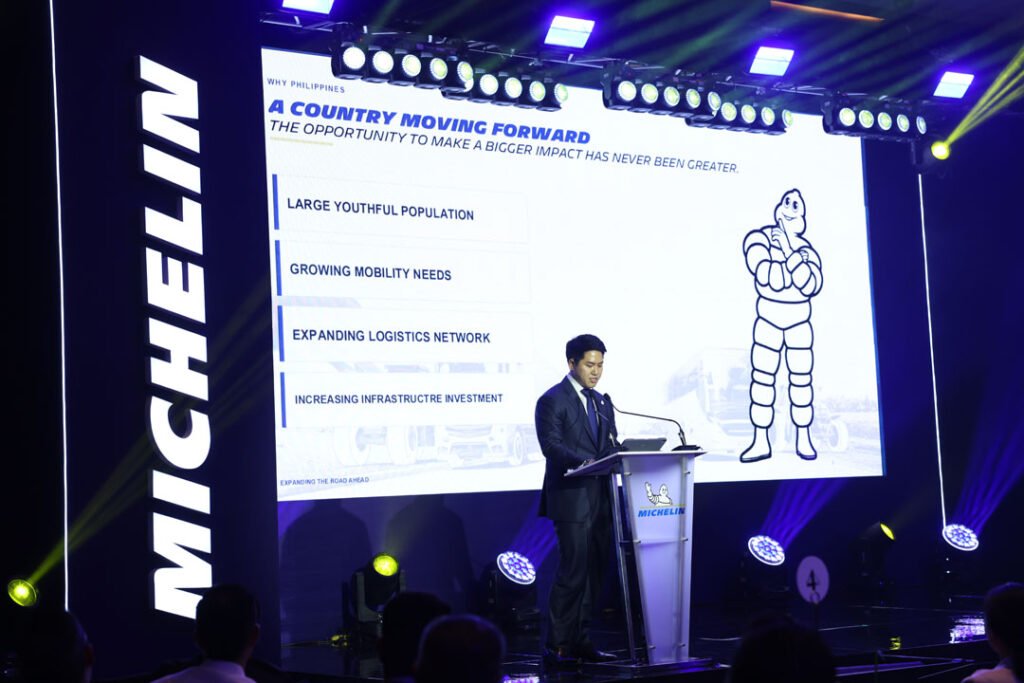
“By strengthening our distribution ecosystem, we are bringing greater expertise, stronger support, and more relevant solutions closer to the industries and communities that keep the Philippines moving,” said Jonathan Khong, managing director of Michelin Philippines.
The company said downtime can affect delivery schedules, construction projects, mining operations, and other businesses that depend on vehicles and heavy equipment. A more specialized support network allows Michelin to respond more closely to those operating requirements.
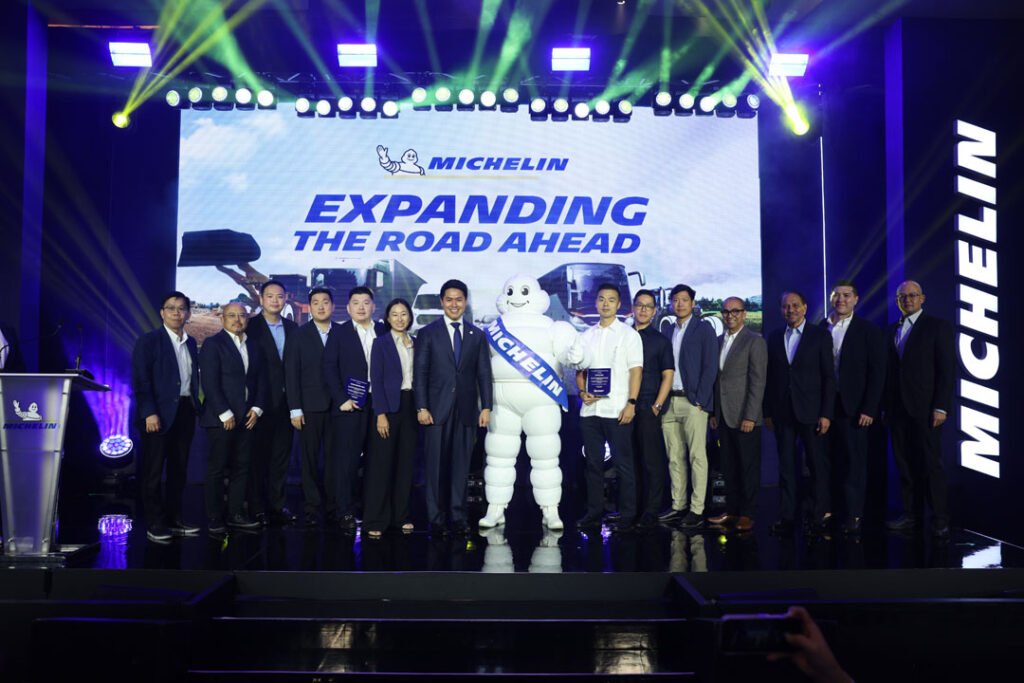
The Philippine expansion also reflects Michelin’s long-term investment in the local market. The company has more than 130 years of experience in engineered materials and operates in 175 countries.
Michelin said the Philippines remains an important market in its Asia-Pacific operations, with demand growing for premium mobility solutions across consumer and industrial sectors.
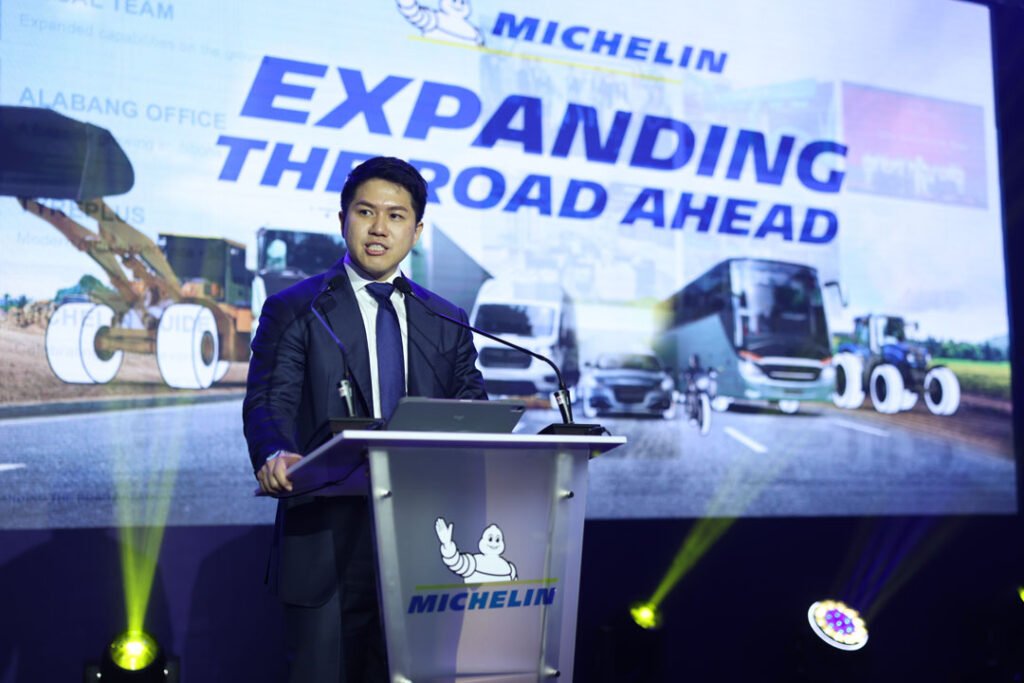
Its local distribution partners will support products and services for vehicle owners, dealerships, logistics companies, contractors, mining firms, and other businesses that rely on tires for daily operations.
The company’s goal is to help customers improve safety, efficiency, equipment performance, and operating value through stronger local access and technical assistance.
For a country where a stalled vehicle can delay an entire delivery route or project schedule, the right tire support is not a minor detail. Michelin’s expanded network is intended to keep more vehicles and businesses moving.
The Philippine automotive market posted its strongest monthly performance of the year in July, with total industry sales reaching 42,880 units.
The figure, which includes sales from Chamber of Automotive Manufacturers of the Philippines and Truck Manufacturers Association members plus estimates from other brands, rose 2% from June. It also marked the industry’s first year-on-year increase for 2026 at 5%, according to CAMPI.
CAMPI and TMA members accounted for 37,319 units in July, up from 37,079 units in June. Their combined year-to-date sales reached 241,725 units, although this remained 10.2% below the 269,207 units recorded during the same period last year.
CAMPI president Jose Maria Atienza said the industry was gaining momentum and expressed hope that the positive trend would continue through the rest of the year.
Internal combustion engine vehicles continued to account for most sales, but electrified vehicles provided much of the month’s growth. The joint sales report recorded 7,086 electrified vehicles sold in July, up 3.6% from June and 161.8% from the same month last year.
Hybrid electric vehicles led the electrified vehicle category with 2,964 units, followed by battery electric vehicles with 2,520 units and plug-in hybrids with 1,602 units.
For the first seven months of the year, xEV sales reached 38,286 units, a 136.4% increase from the 16,195 units sold during the same period in 2025.
Toyota Motor Philippines remained the market leader in July with 17,797 units sold. Mitsubishi Motors Philippines followed with 6,271 units, while Suzuki Philippines ranked third with 1,689 units.
Honda Cars Philippines posted 1,256 units, followed by Ford Group Philippines with 1,152 units.
Light commercial vehicles also helped lift the market. The category recorded 22,744 units in July, increasing 4.3% from June and 1% from July 2025.
The monthly improvement comes as the industry continues to recover from a weak first half. While year-to-date sales remain below last year’s level, the stronger July result and the sharp rise in electrified vehicle deliveries point to a market gradually finding its footing.
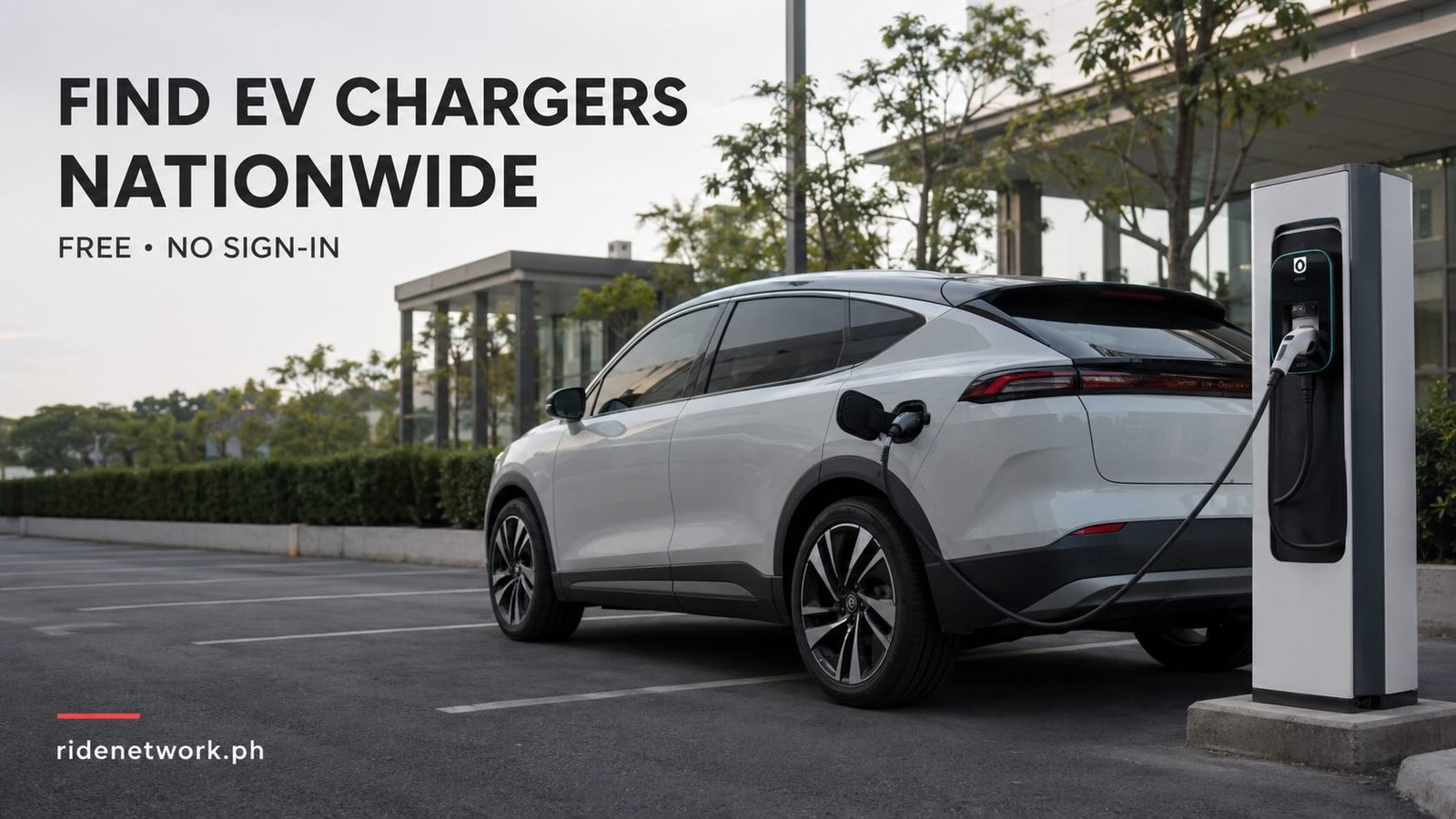
Ridenetwork.ph maps 1,102 operational charging points with no paywall or sign-in
MANILA, Philippines | Running low on battery should not be the moment an EV driver starts looking for a charger.
Ridenetwork.ph has launched its free [EV Charging and Battery Swapping Station Directory](https://ridenetwork.ph/ev-directory/), an interactive tool that helps motorists find charging points before leaving home or while on the road.
As of 20 August 2026, the directory covers 536 locations across Metro Manila, Luzon, Visayas and Mindanao. These locations have 1,102 charging points listed as operational, including 810 AC and 292 DC fast-charging points.
The directory also includes 49 battery-swapping units across 19 locations. Some sites provide more than one charging service.
Users can search the map, zoom into an area and check individual locations. Listings include addresses, operators, available charging services and directions.
The directory is open to everyone, with no subscription, paywall or sign-in required.
As more electric cars and motorcycles enter the country, drivers need to know where they can recharge before starting a trip. A missed charging stop can mean a longer detour, an unwanted delay or a journey cut short.
Visit [ridenetwork.ph/ev-directory](https://ridenetwork.ph/ev-directory/) and bookmark it today. You may not need the nearest charger now, but you will want the map ready when you do.