EV
XPENG bets on AI mobility

XPENG will enter the Philippine market in September with two electric vehicles that form part of a wider technology ecosystem built around artificial intelligence.
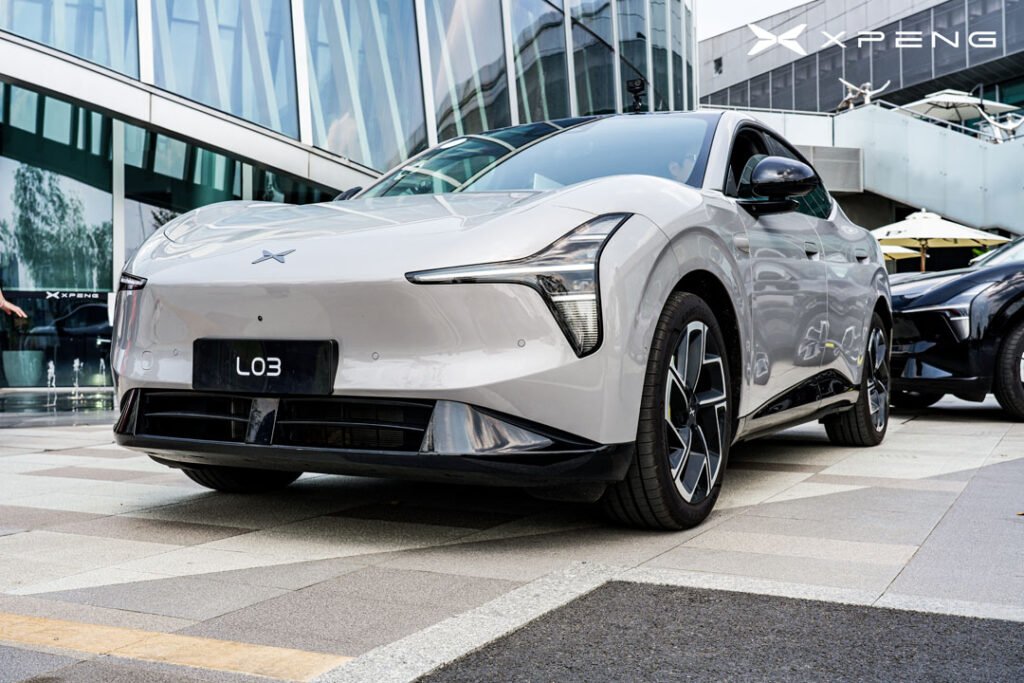
The Chinese automaker will introduce the X9, its flagship seven-seat model, and the L03 SUV coupé. Philippine specifications, variants, prices and availability will be announced during the official launch.
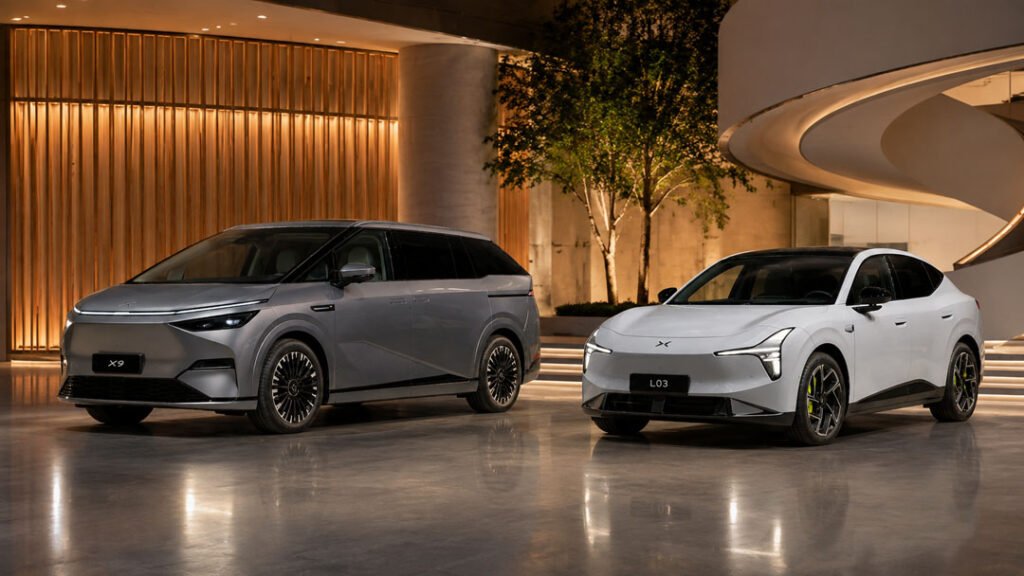
The X9 is positioned for families, executives and professionals who want a spacious cabin with intelligent features. The L03 offers a sportier design and is aimed at customers looking for a more contemporary daily vehicle.
Both models will carry XPENG’s approach to what it calls AI Mobility. The company wants to distinguish itself from other electric vehicle brands through technology that helps a vehicle understand its surroundings and respond to the needs of its occupants.
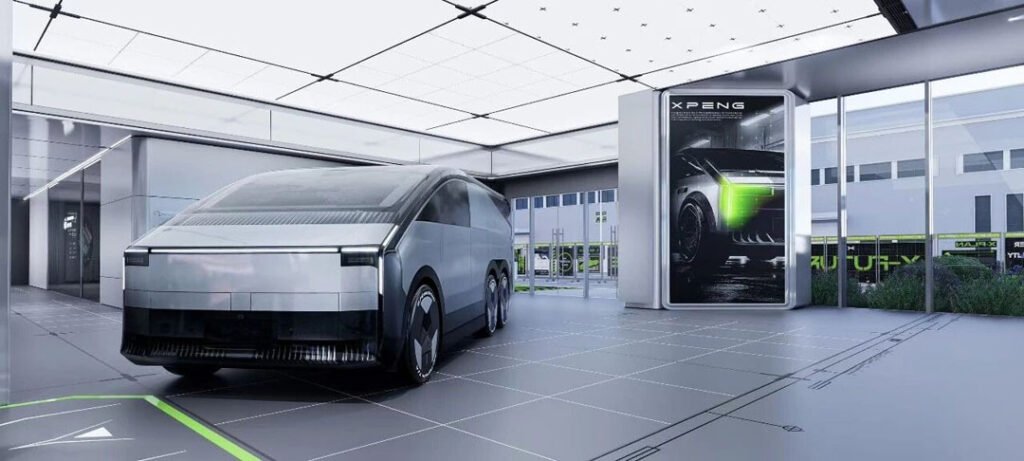
“XPENG’s arrival in the Philippines is not simply about introducing another electric vehicle brand,” XPENG Southeast Asia General Manager Sam Chu said.
“We want to help establish AI Mobility as a category in its own right and show Filipino motorists how artificial intelligence can make every journey safer, more intuitive and more responsive to their needs,” he added.
XPENG develops its advanced driver assistance technology, in-car operating system, powertrain and electrical architecture in-house. At the end of 2025, the company employed 8,845 people in research and development, which accounted for more than 40 percent of its workforce.
Its research covers AI, software, robotics, vehicle engineering and other mobility technologies. This work also supports products outside its passenger vehicle range.
Among them is IRON, a humanoid robot designed to move, communicate and interact with people. XPENG plans to deploy the robot as a guide in its retail locations as development moves toward mass production.
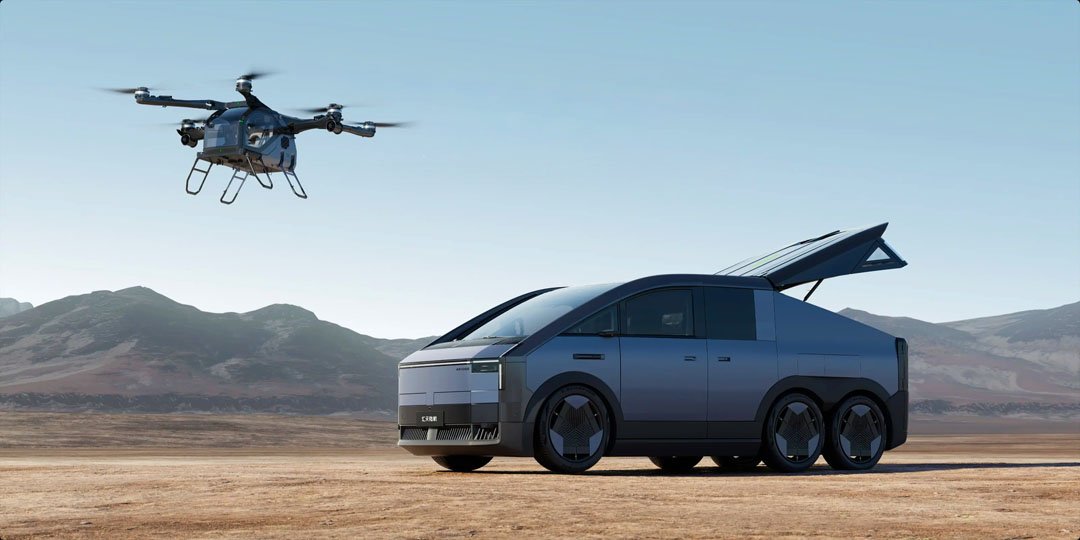
The company is also involved in low-altitude mobility through ARIDGE. Its Land Aircraft Carrier pairs a road vehicle with a detachable electric aircraft. The technology remains under development and will still depend on supporting infrastructure and regulation.
XPENG also uses automation, connected production systems and AI-supported quality controls in its factories to improve consistency and manufacturing precision.
Founded in 2014, XPENG is listed on the New York Stock Exchange and the Hong Kong Stock Exchange. Its Philippine debut comes as more Chinese brands compete locally on range, equipment, design and price. The company is betting that software and artificial intelligence will give the X9 and L03 a clearer identity in an increasingly crowded market.