Industry News
Crash Verdict Hits Tesla Hard
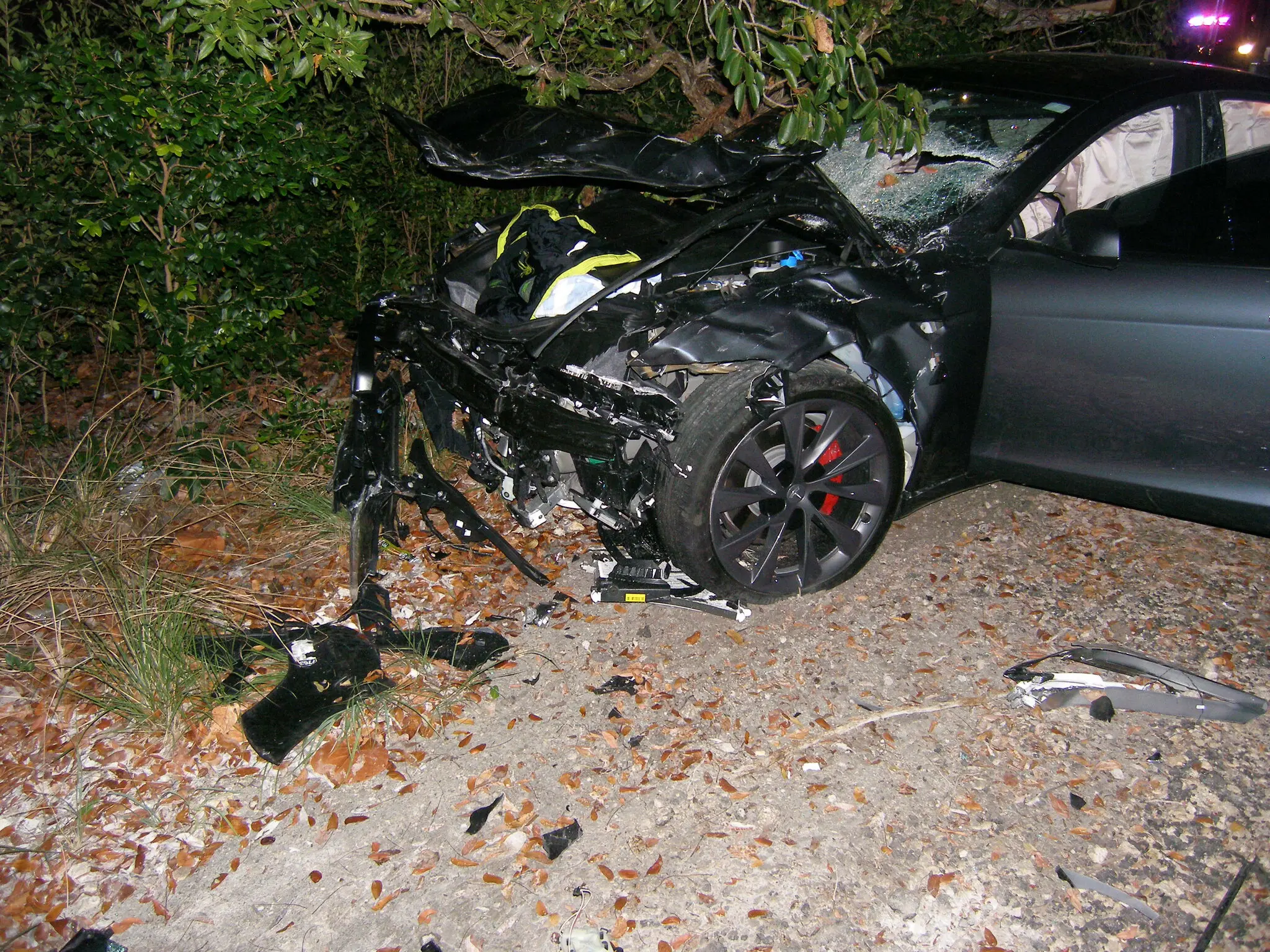
A Florida jury has ordered Tesla to pay $242 million in damages after concluding that the automaker’s Autopilot feature was partly responsible for a deadly crash in 2019.
The crash occurred in Key Largo, Florida, when a Tesla Model S driven by George McGee slammed into a parked Chevrolet SUV. Naibel Benavides Leon, a 22-year-old college student standing near the SUV, was killed, and her boyfriend, Dillon Angulo, was seriously injured.
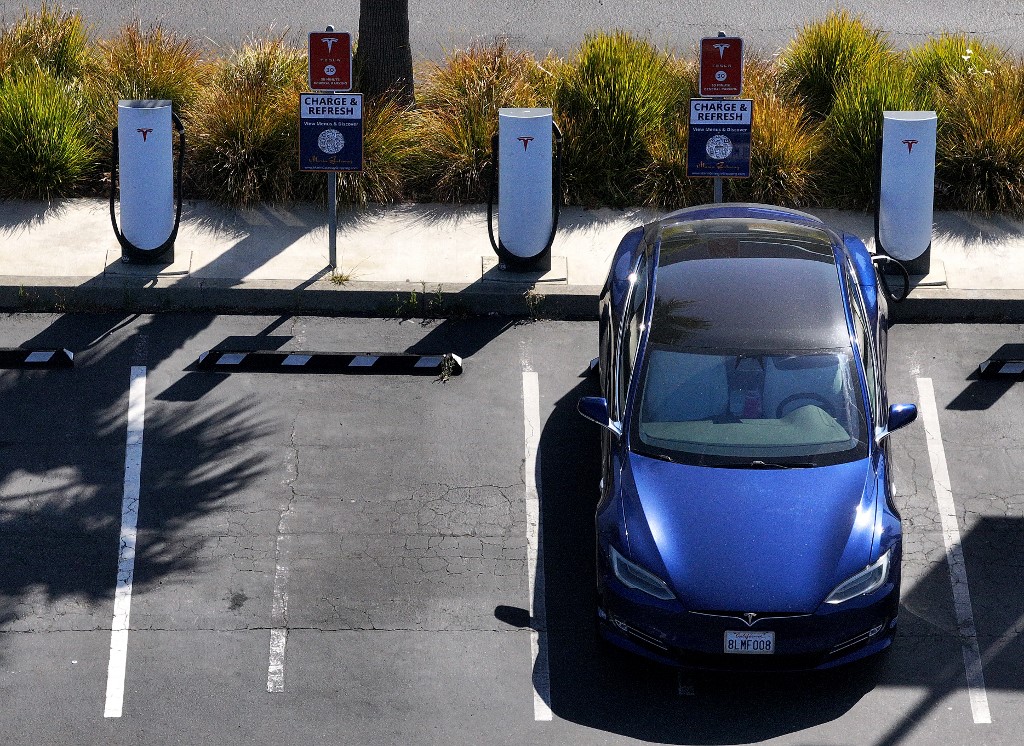
After a three-week trial in Miami, jurors found Tesla’s driver-assistance system contributed to the accident. They ruled that Tesla held 33% of the responsibility, while McGee, who had reportedly taken his eyes off the road to retrieve a dropped phone, bore the rest. McGee had already settled with the victims for an undisclosed amount.
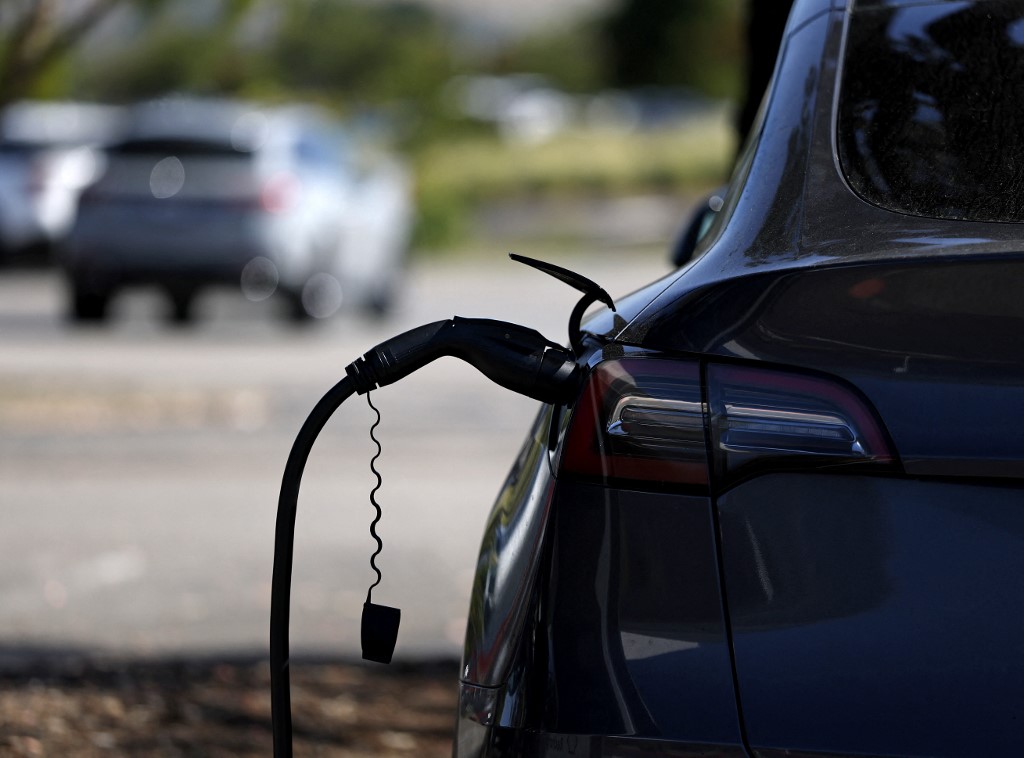
The verdict awarded $200 million in punitive damages, $59 million in compensatory damages to Leon’s family, and $70 million to Angulo. With Tesla held accountable for only a third of the compensatory damages, the final figure payable by Tesla totals approximately $242 million.
Lawyers representing the victims argued that Tesla misrepresented the capabilities of its Autopilot system, which led to overreliance by drivers. The system failed to react to a stop sign and flashing red light at a T-intersection where the crash happened. Data presented at trial showed the vehicle was moving at 62 mph just before impact.
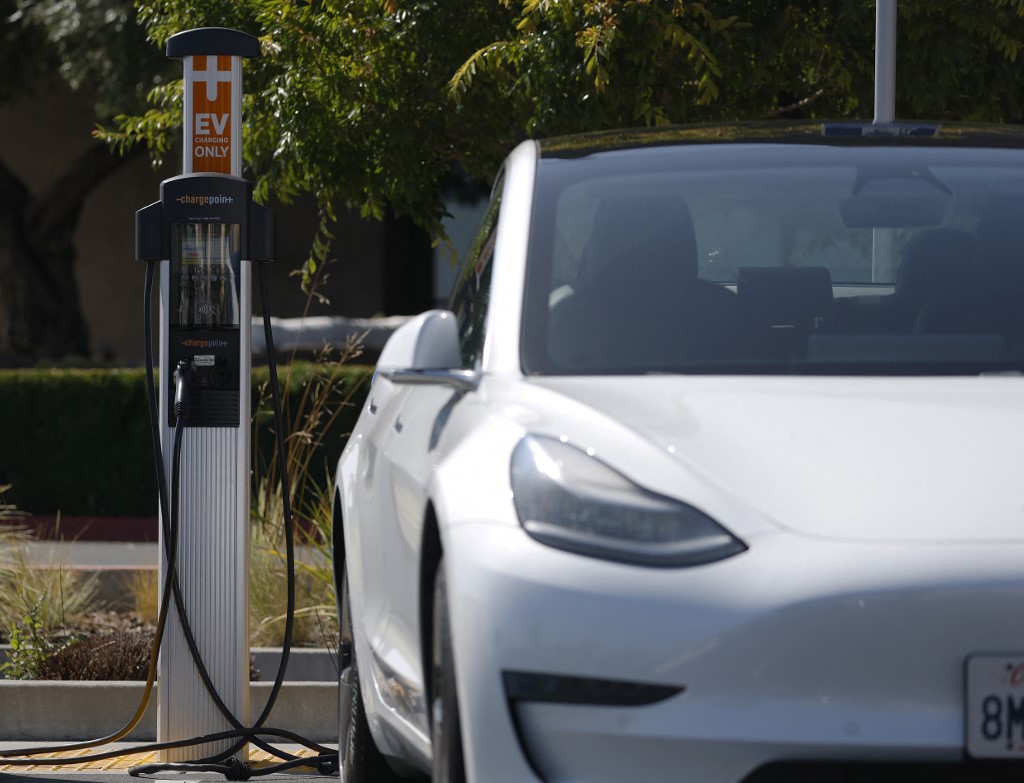
Tesla, through its legal team, denied responsibility and announced plans to appeal the verdict. The company claimed the driver overrode Autopilot by keeping his foot on the accelerator and failed to maintain attention to the road. Tesla also pointed to warnings in its user manuals that Autopilot still requires active driver supervision.
The case marks the first federal jury trial involving a fatal crash tied to Autopilot and is seen as a significant blow to Tesla’s claims of safety leadership in autonomous driving. Tesla said the verdict could delay industry progress on life-saving technologies, while plaintiffs argued the crash was preventable and underscored serious flaws in Tesla’s software and marketing.
Angulo, emotional after the verdict, said, “We did it for Naibel.”

Industry News
Brake Check Now
VICOAP and several road safety groups are urging the government to make brake testing mandatory for public utility vehicles after new data showed that many PUVs still operate with unsafe braking systems.
The call was made during a media roundtable in Taguig City, held ahead of the World Day of Remembrance for Road Traffic Victims. VICOAP presented its brake test results from January to September 2025, showing that 47.3 percent of inspected PUVs failed to meet minimum brake safety standards. The group said this signals an urgent need to strengthen regular inspections to protect everyday commuters.

Participants from e-Sakay, De La Salle University, WRNumero, and the Philippine Advocates for Road Safety joined the discussion to push for reforms based on real data, not guesswork. WRNumero also shared survey findings showing that eight in ten Filipinos worry about getting into road accidents, with lower-income commuters expressing the most concern.
VICOAP spokesperson Atty. Lester Cavestany emphasized that brake testing is not red tape but a basic safety measure. The organization said it hopes policymakers will refine existing rules and require stricter inspections as part of the DOTr’s Road Safety Action Plan.
Industry News
Bosch Car Service Leads EV Repair Shift
Bosch Car Service (BCS) Philippines has become the first independent workshop in the country that is officially authorized to service electric and hybrid vehicles, marking a key step in building a wider after-sales support network for electrified cars.

The milestone was formalized in Cavite on November 7, 2025 through a signing ceremony between ACMobility and Bosch Car Service. The move positions BCS as the lead player in the independent aftermarket sector for EV and hybrid servicing, at a time when more Filipinos are starting to consider electrified vehicles.

BCS now offers a full suite of services for EV and hybrid owners, from basic preventive maintenance and accessory installation to complex work such as high-voltage battery diagnostics, repair, and conditioning. The network also handles mechanical and electrical diagnostics, air-conditioning servicing, software updates, and warranty servicing for its original equipment partners.

According to BCS General Manager Geronimo Campilan, dependable service is becoming a critical part of the shift to electric mobility. He said the joint development with ACMobility is designed to expand access to expert EV care and to give owners more confidence, convenience, and support throughout the ownership cycle.
As an independent aftermarket network, BCS aims to help in three areas. First is giving consumers a more accessible service option for EVs beyond traditional dealer workshops. Second is raising standards for workshops by investing in EV-ready facilities and equipment. Third is supporting multiple car brands that need after-sales partners as they roll out more EV and hybrid models nationwide.
Paulo Duarte, Managing Director of Bosch Philippines, said electric mobility introduces new expectations on safety, technical capability, and service quality. He added that Bosch is equipping its workshops and technicians with advanced tools and skills so they can remain competitive as the EV market develops.
Technicians in the Bosch Car Service network undergo global certification and specialized training in high-voltage safety and EV or hybrid systems at Bosch training centers. The company says this continuous upskilling is meant to ensure every workshop can deliver safe and expert care that follows international standards.
The initiative aligns with Bosch’s “Invented for Life” philosophy and complements ACMobility’s wider investments in EV charging hubs across Luzon, Visayas, and Mindanao, where the group is developing digital platforms to make it easier for customers to locate chargers and service centers nationwide.
With the expanded capabilities of Bosch Car Service Philippines, EV and hybrid owners now have a dedicated independent workshop network that can provide bumper-to-bumper care as the country moves deeper into the electrified era.
Industry News
Power Move
Unioil Petroleum Philippines Inc. has officially sealed a strategic partnership with Saudi Arabia’s state-owned energy giant Aramco, marking a major milestone for the Philippine fuel industry. Under the deal, Aramco acquired a 25-percent equity stake in Unioil, a move that strengthens both companies’ foothold in the fast-growing local energy market.

With nearly six decades of experience, Unioil is known as one of the country’s leading fuel distributors and a pioneer in cleaner fuel products. The new partnership grants Unioil access to Aramco’s global refining and logistics network, ensuring a stable fuel supply to meet rising demand in the Philippines while supporting national energy security.

Unioil CEO Janice Co Roxas-Chua called the agreement “a new chapter defined by innovation and excellence,” adding that the collaboration would allow the company to expand its reach and elevate customer service. President Kenneth Pundanera said the deal aligns with Unioil’s vision of becoming the fuel retailer of choice, highlighting the partnership as proof of global confidence in the Philippine market.
The Philippine Competition Commission earlier cleared the transaction, paving the way for this strategic alliance aimed at driving innovation, growth, and sustainability in the local energy sector.