
EV
Fare Isn’t The Finish

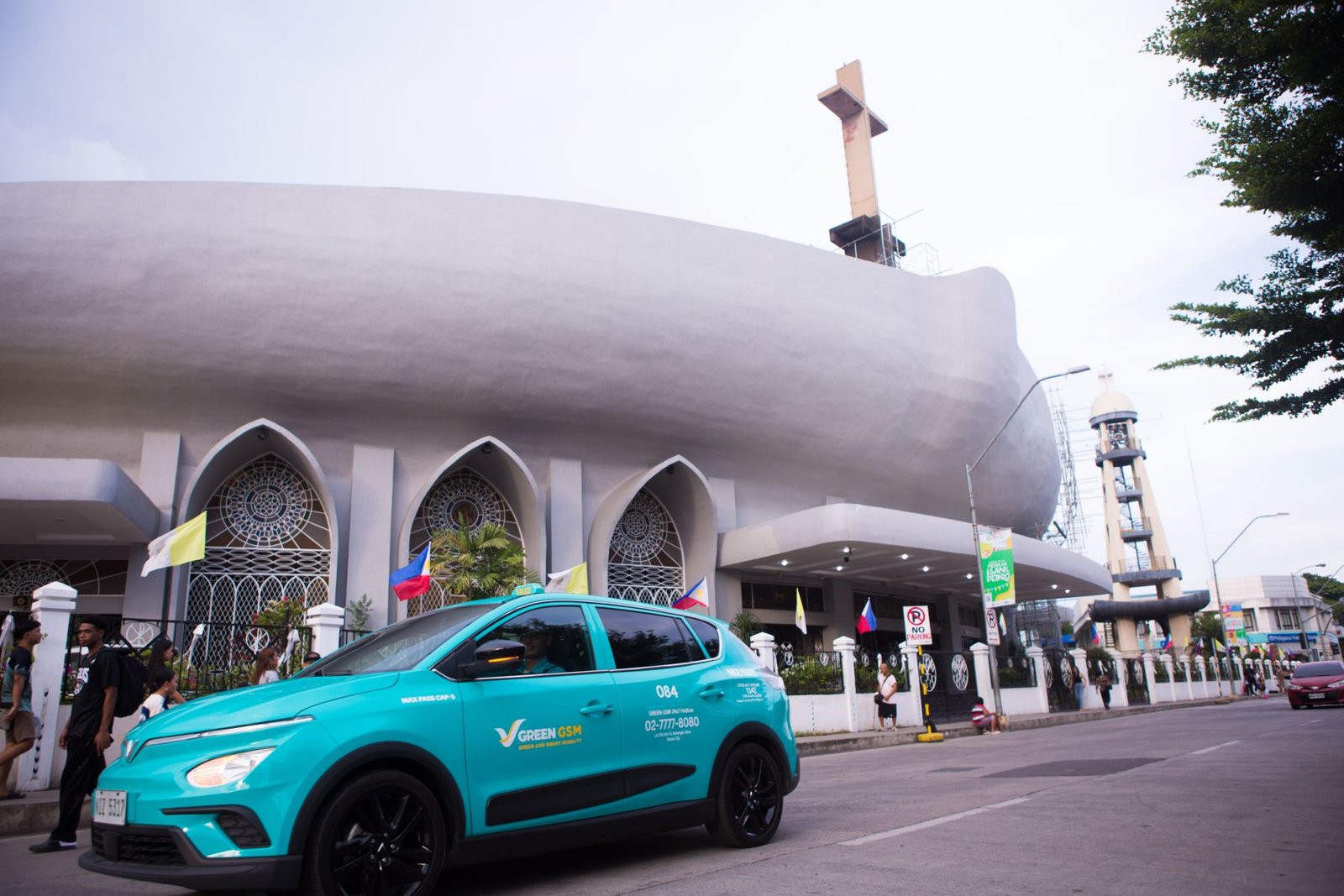
Davao City’s ride-hailing conversation is moving beyond fare.
Price still matters when passengers open an app. Availability and convenience still influence the first tap. But among many Davaoeños, the ride that gets remembered is rarely the cheapest one. It is often the one that feels calm, clean and considerate.
That shift has placed hospitality at the center of the commuting experience in the city.
Passengers heading to Francisco Bangoy International Airport, going home after work in Bajada, passing through Kadayawan traffic along Roxas, or meeting friends near Roxas Night Market often describe the same thing in different ways. The ride matters when it makes the trip easier, not just cheaper.
Some remember a driver who waited while a passenger rushed back inside the house for a forgotten passport before an airport trip. Others recall arriving home in Toril or Buhangin during a downpour without having to walk through the rain. There are also passengers who remember help with groceries, a clean cabin after a long day, or a driver who made the trip feel less tiring.
These details are small, but they shape how passengers judge the service.
That has become more visible since Green GSM entered Davao City. Many first-time passengers tried the service out of curiosity because it was their first ride in an electric taxi. The vehicle caught attention first. The experience decided whether they would book again.
Passengers noticed the quieter cabin while waiting at busy areas such as Matina Crossing and Buhangin. Some pointed out the absence of the fuel smell often associated with conventional traffic. Others mentioned the cleanliness of the units and the professional manner of the drivers.
The technology helped introduce the service, but the hospitality gave the ride its value.
In daily use, sustainability does not always sound like a technical idea. It can feel like a quieter trip, cleaner air inside the cabin, and a more comfortable ride through familiar city routes. It can also show up in how passengers are treated from pickup to drop-off.
Davao’s reputation for warmth is now being reflected on the road. For ride-hailing users, a good trip is no longer measured by fare alone. It is also measured by how respected, safe and at ease they feel when they arrive.
As the city continues to grow, more passengers may start to expect that kind of service from every ride.

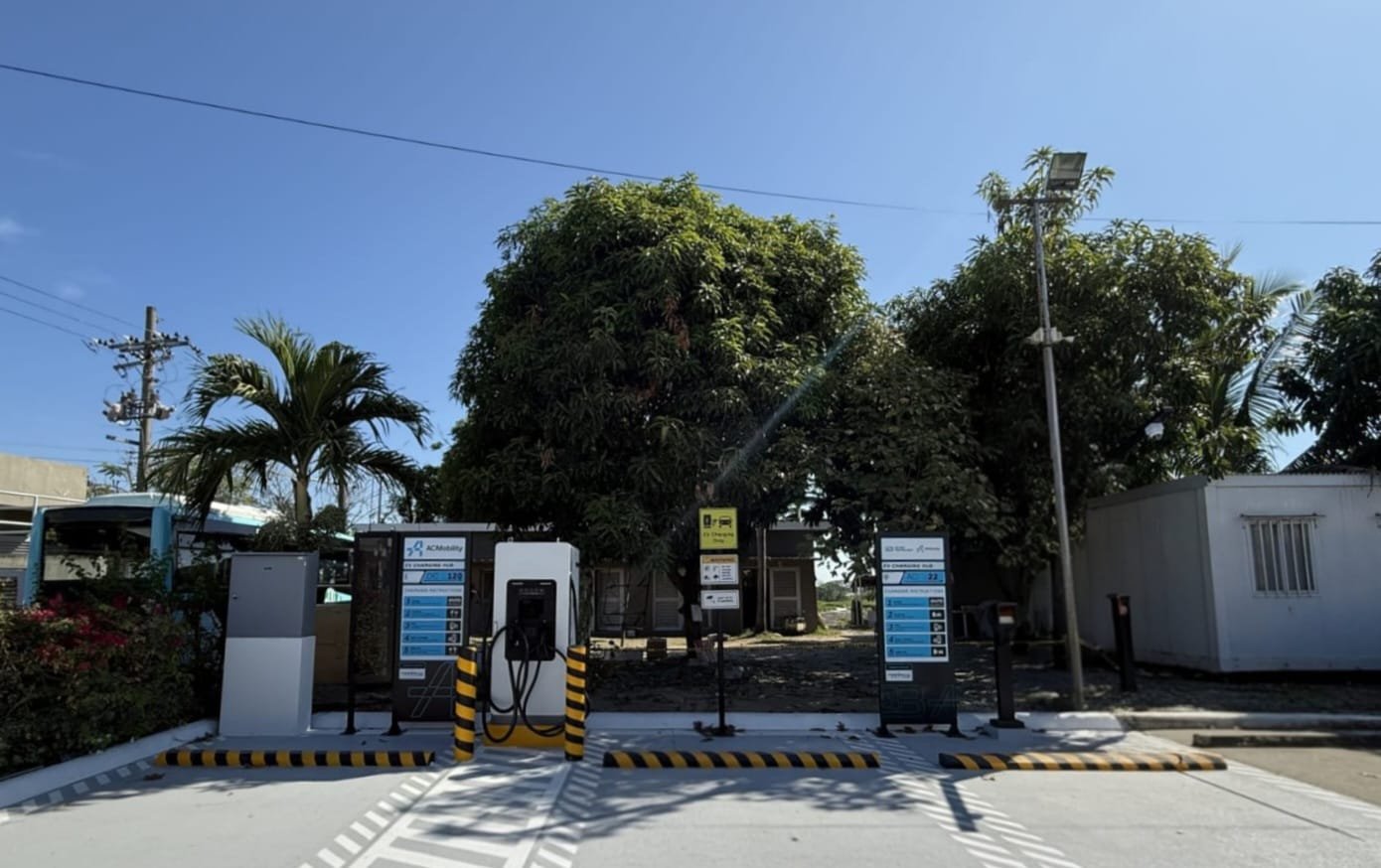
ACMobility, Basic Energy expand EV charging for public transport
ACMobility and Basic Energy Corporation (BEC) are expanding their partnership to build more electric vehicle charging hubs for public transport fleets in the Philippines.
The tie-up supports Basic Energy’s Iwas Taas Pamasahe Transport Solutions Program, which allows transport groups to use electric buses without upfront payment and own the vehicles after five years.
The program is designed to help operators shift to electric mobility while reducing exposure to fuel price changes that can affect commuter fares.
ACMobility, the Ayala Group’s mobility platform and EV charging solutions provider, will build charging hubs along key routes for electric buses and private EVs.
The partnership will support the deployment of the Love E-Bus fleet. ACMobility said the charging network will help keep electric buses operational by improving access to charging along major routes.
Carla Buencamino, head of mobility infrastructure at ACMobility, said public transport must be included in the country’s shift to electric mobility.
Basic Energy president and chief executive officer Oscar De Venecia Jr. said the partnership supports the company’s goal of providing sustainable and accessible transport options.
The next charging hub under the partnership will be located at the Total station on the northbound side of the South Luzon Expressway. It will have DC fast chargers for quicker turnaround and AC chargers for longer charging stops.
The partners are also looking at sites in Mandaluyong City, Cainta, Barangka in Marikina and Sumulong Highway. These locations are expected to improve charging access across commuter routes in eastern Metro Manila.
Other planned locations include E. Rodriguez and Visayas Avenue in Quezon City, Newport City in Pasay City and EDSA.
ACMobility and Basic Energy earlier opened EV charging hubs at EcoOil Alabang and the Total station on the North Luzon Expressway.
ACMobility said its EV charging network now covers more than 200 locations nationwide. The company is also developing digital services that will help users access charging stations and service centers.
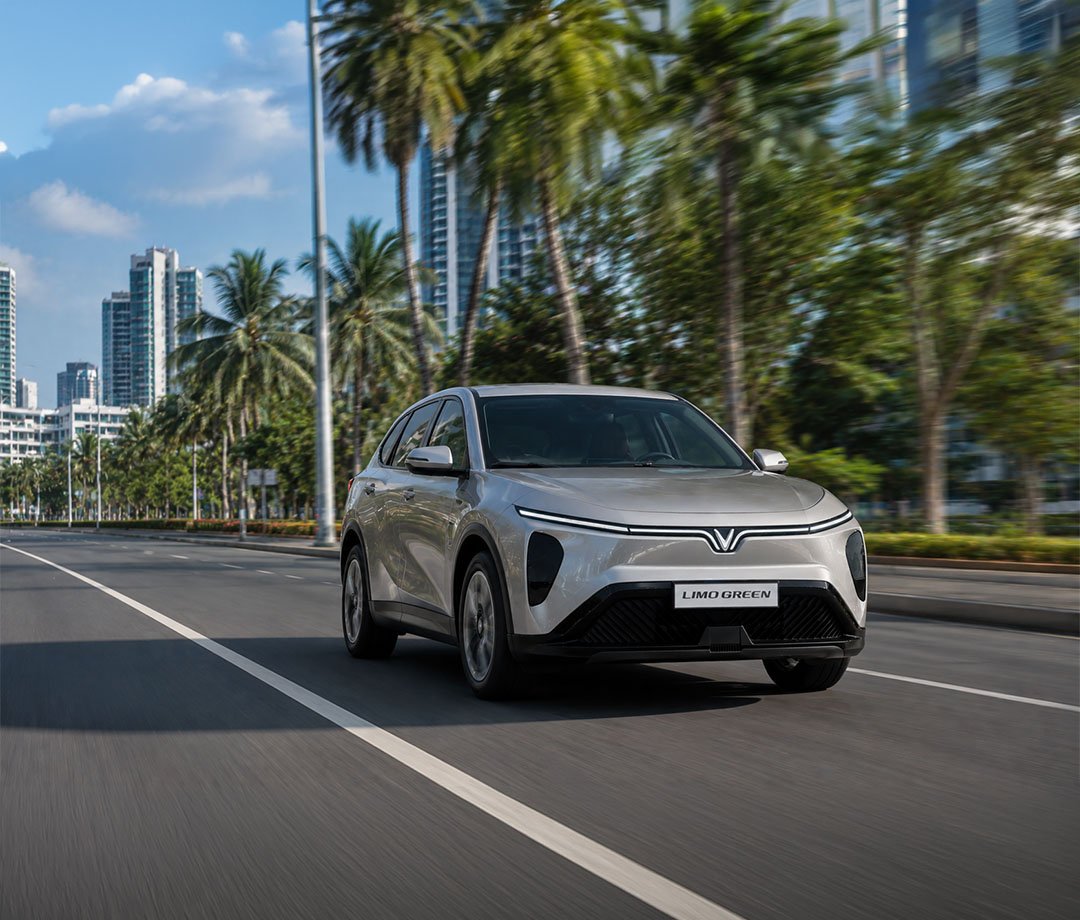
VinFast Philippines is taking a two-track approach to the local multi-purpose vehicle (MPV) market with the VF MPV 7 and VF Limo Green, targeting both private families and high-use transport operators.
The two electric seven-seaters enter a segment long built around space, practicality and affordability. VinFast is adding a different angle by pairing electric mobility with ownership programs meant to lower entry costs and ease long-term concerns around batteries, charging and resale value.
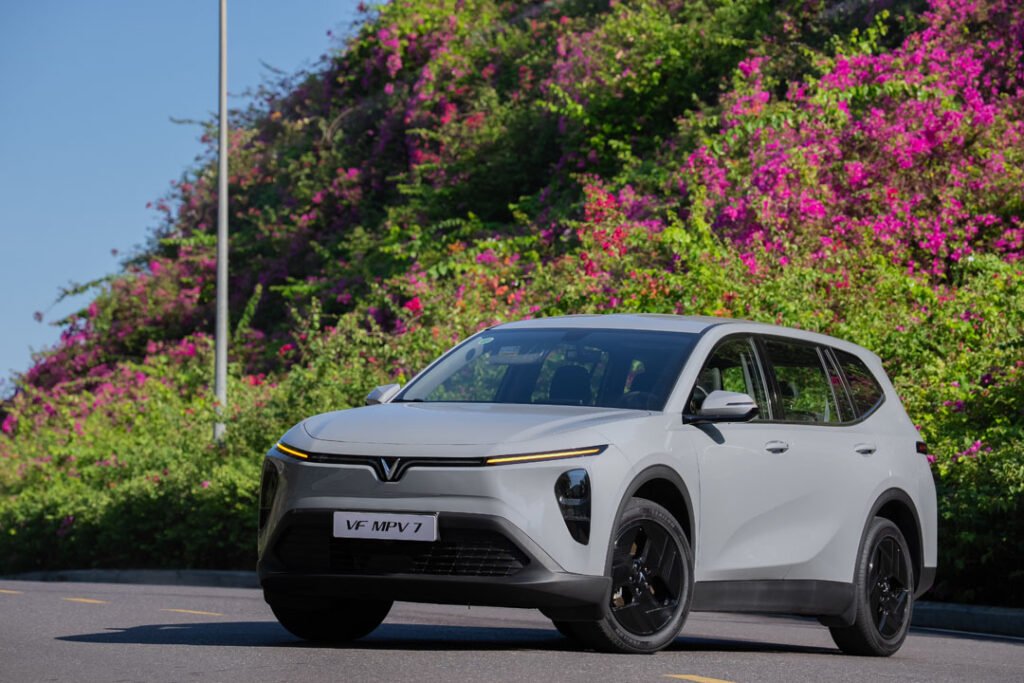
The VF MPV 7 is positioned for families that need one vehicle for several daily roles. In many Filipino households, a seven-seater moves from school runs and errands to weekend trips and family gatherings. VinFast is pitching the model as a more flexible family vehicle, with emphasis on usable space, comfort and refinement.
The VF Limo Green, meanwhile, is aimed at transport services and business operators. Its role is more direct. It is built for daily use, high mileage and passenger operations where fuel, maintenance and downtime affect earnings.
Electric power changes part of that cost structure. VinFast is offering the Limo Green as a practical option for operators looking for lower running costs and more predictable expenses compared with conventional fuel-powered MPVs.
The vehicles are supported by VinFast’s battery subscription model, which separates the battery from the vehicle purchase. According to the brand, this can reduce the initial cost by up to around 20 percent while shifting battery performance and maintenance responsibility to VinFast through a monthly fee.
VinFast is also offering a Residual Value Guarantee program that gives customers value protection of up to 90 percent of the vehicle’s original price under defined conditions. Resale value remains a major concern for many buyers moving to electric vehicles, especially in a market where EV adoption is still developing.
Charging support is also part of the strategy. Through V-Green, VinFast is expanding charging access and offering free charging until March 2029. The brand is also combining this with financing options, aftersales support and service coverage.
VinFast Philippines also introduced RENTAPASADA during the 2026 Philippine International Motor Show (PIMS). The vehicle-rental program gives drivers access to VinFast electric vehicles, including the Limo Green, through Green GSM’s platform for ride-hailing and transport-service operations.
Rhomel Franco, chief executive officer of VinFast Philippines, said the brand wants electric mobility to work beyond showroom sales.
“With the VF MPV 7 and the VF Limo Green, supported by an expanding ecosystem, we are enabling a more practical and accessible transition to electric vehicles in the Philippines,” Franco said.
VinFast’s MPV push places the brand in two active parts of the market at once. One side wants a family seven-seater with lower long-term ownership concerns. The other needs a work vehicle that can control operating costs.
Together, the VF MPV 7 and VF Limo Green give VinFast a wider entry point into a segment where space is no longer the only selling point.

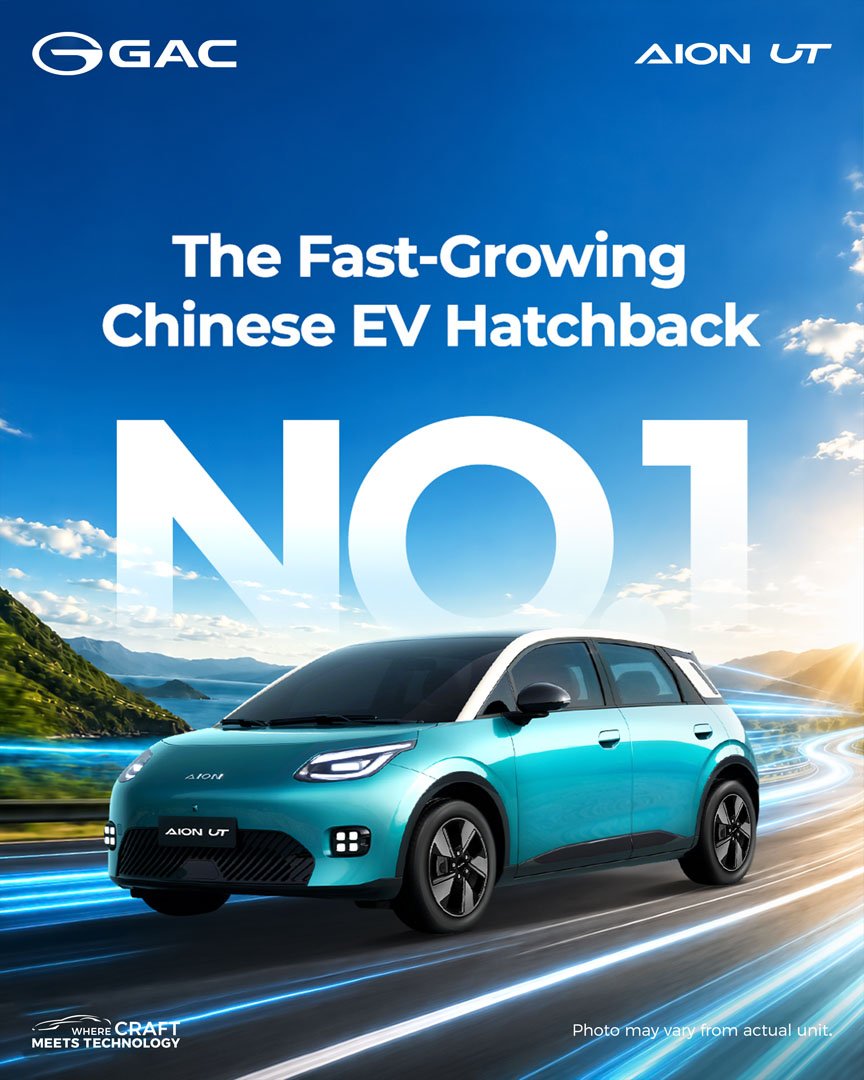
MANILA, Philippines | The GAC AION UT is building momentum in the Philippines after posting stronger global sales and gaining early traction among local electric vehicle buyers.
GAC International Philippines Inc. (GAC Philippines) said the AION UT recorded 3,331 units in global sales in May 2026, up 60 percent month on month. The company described the model as the fastest-growing Chinese-brand electric hatchback in its segment.
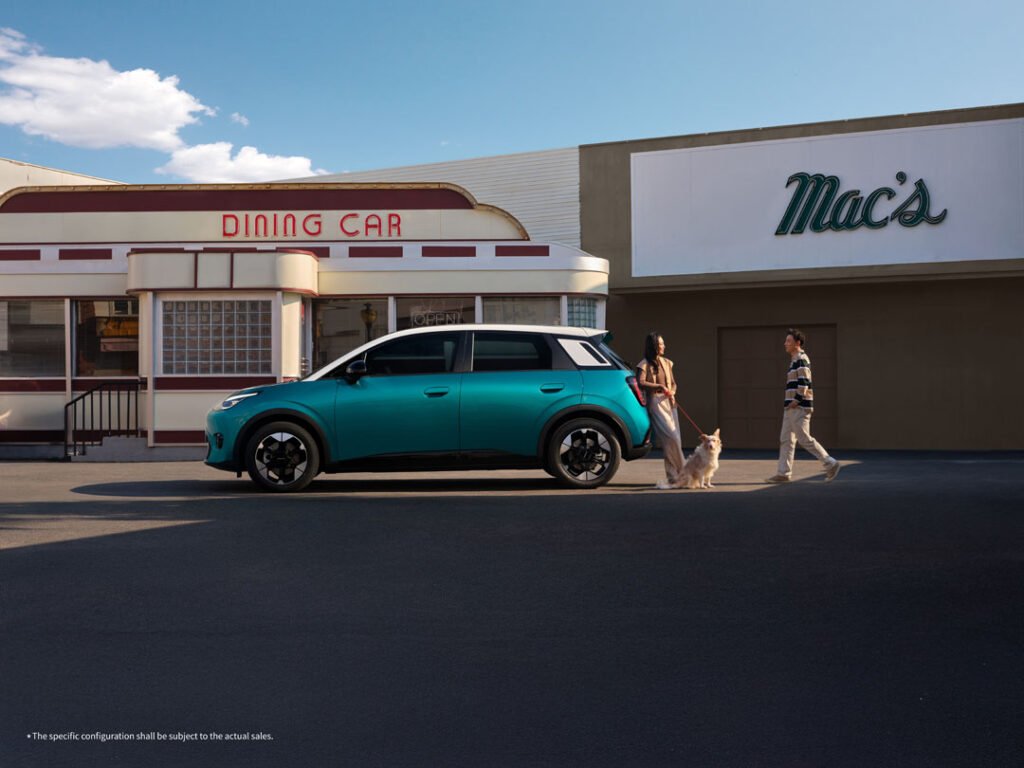
The AION UT was launched in the Philippines in May 2026 as part of GAC’s new energy vehicle lineup. The compact electric hatchback has also expanded across Thailand, Australia, Latin America and Europe since its global debut in 2025.
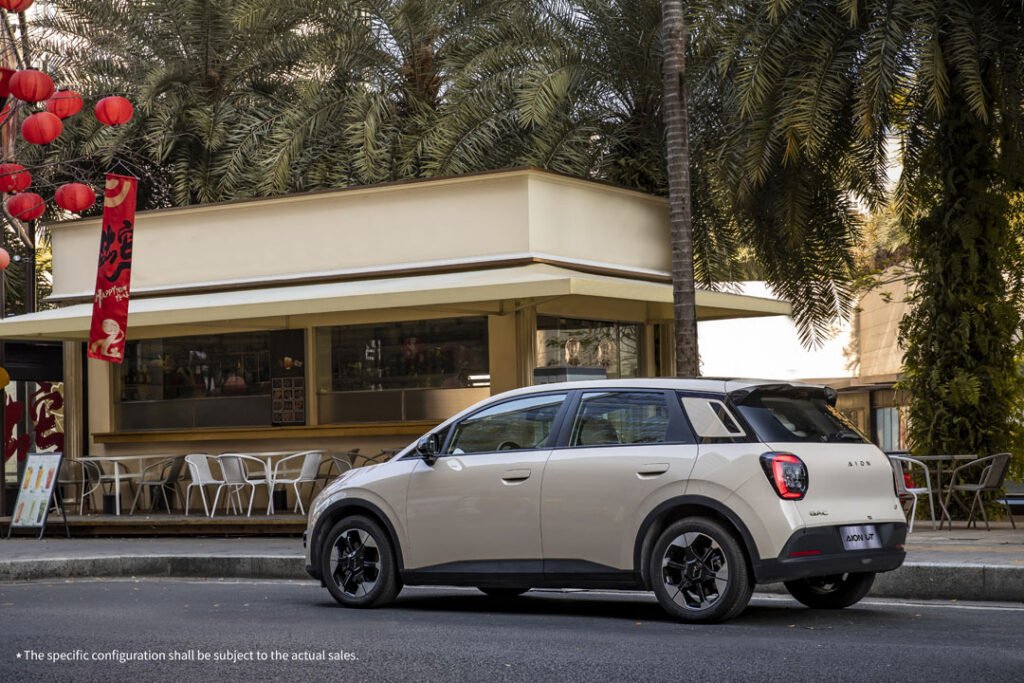
Its global recognition includes the Most Valuable EV Award at the Bangkok International Motor Show, Best Compact Electric Vehicle Award in Mexico and Best Subcompact Hatchback 5 Dr. EV at Thailand’s Car of the Year 2026.

Designed by GAC’s Milan Design Center, the AION UT carries the brand’s “Digital Magic Cube” design language and a fastback body style. It has a 2,750 mm wheelbase, giving the hatchback a larger cabin footprint than its compact size suggests.
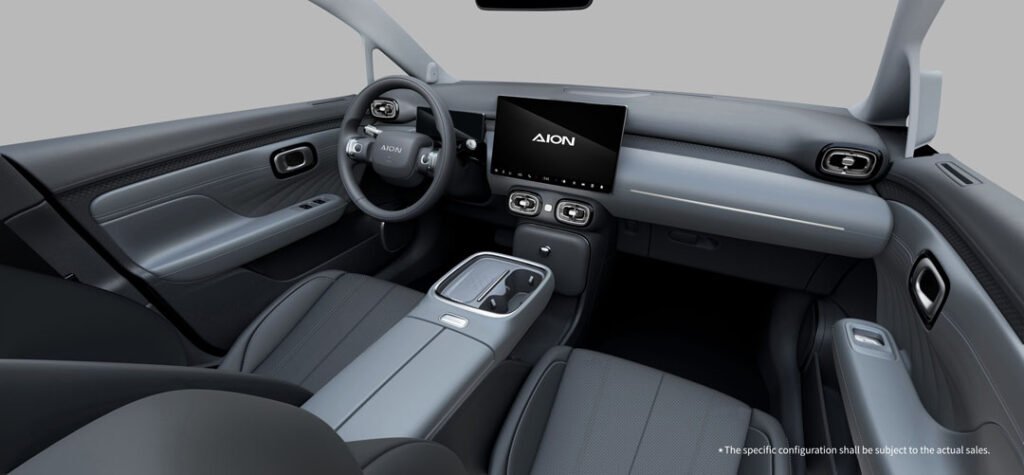
The model also uses GAC’s Magazine Battery 2.0 technology, which the company said has maintained a zero-spontaneous-combustion safety record.
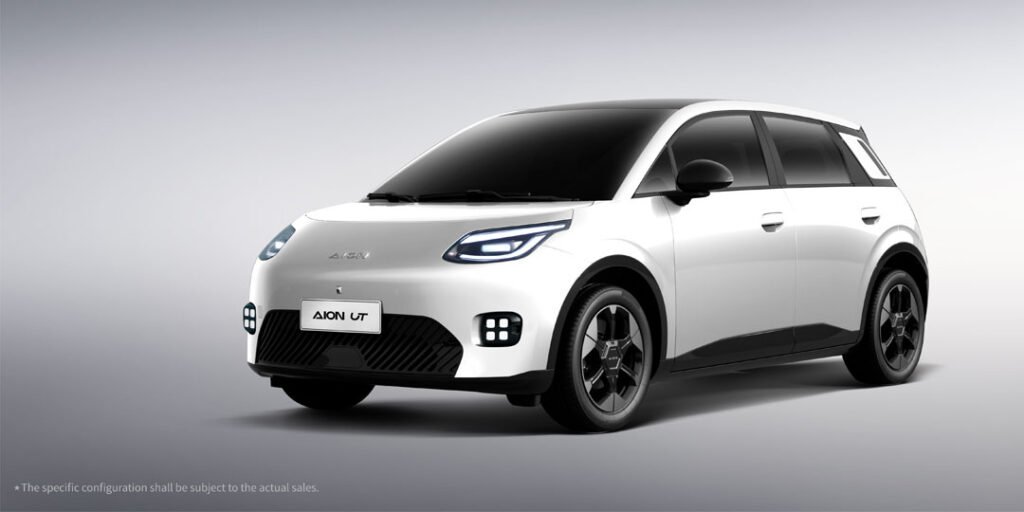
“We are thrilled to bring another global hit from GAC’s line of innovations to the Philippines through the AION UT,” said Steven Wang, Senior Vice President of GAC International. “This milestone allows us to further serve and diversify our brand offerings in the local mobility scene. We are confident that the AION UT will bolster dynamic, safe, and sustainable driving for Filipinos this 2026”.
Early Filipino owners cited efficiency, cabin space and value as factors behind their decision to shift to the AION UT.
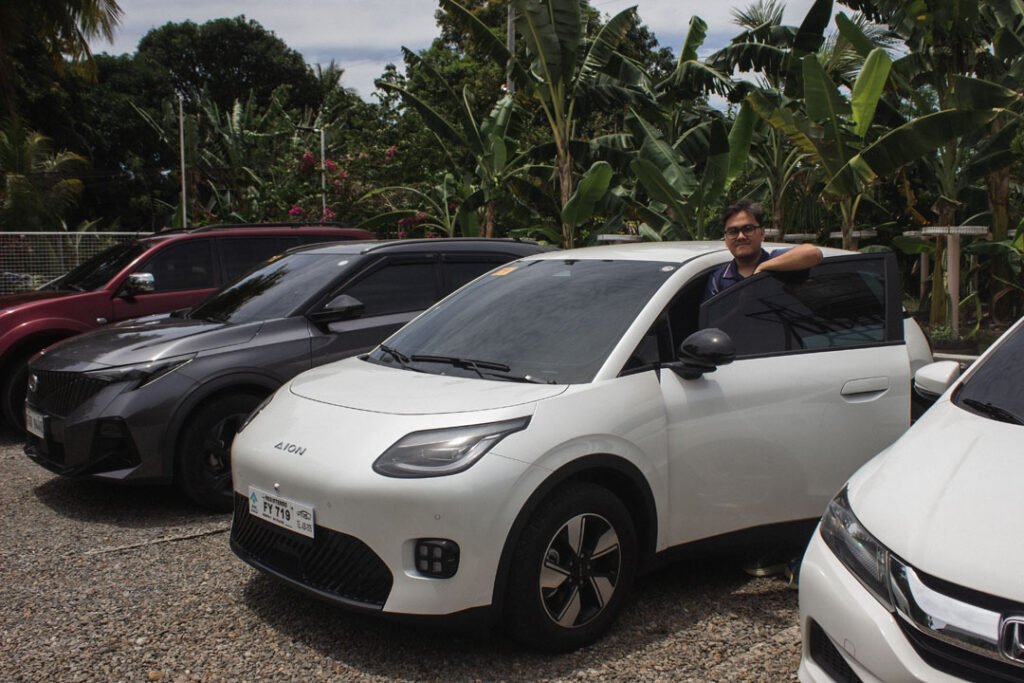
Paul Lacson, a Silay City government employee and GAC owner, said the brand’s quality helped him choose the electric hatchback after owning a GAC Emzoom.
“I also have a two-year old GAC Emzoom, and the quality of the brand made me confident in choosing the AION UT. Since the fuel crisis, I’ve been using the AION UT for everyday commutes. The drive comfort is very good, and the power for its size is very strong, especially on the highway. I took it on an out-of-town trip and for a 100-kilometer stretch, I only used 20% of the battery. It’s been a game-changer for my family”.
Lacson said he compared the model with other electric and hybrid vehicles before choosing the AION UT for its features, efficiency and operating cost.
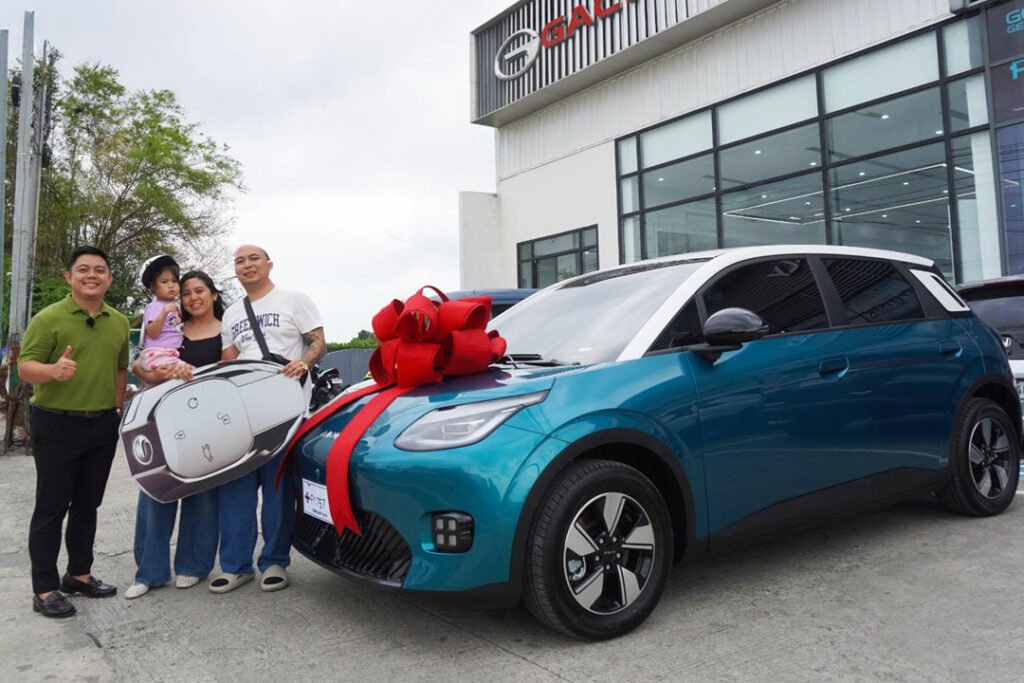
Jeff Filio, a quality analyst and first-time EV owner, said the AION UT stood out after he researched competing options.
“I was looking at other brands, but after I saw the AION UT in an ad, I looked into it further and saw the higher range and better tech. It was actually the first release of the Aion UT at GAC Kawit,” said Filio. “We got the two-tone unit, which is exactly what my wife and I like. Picking up the unit was a special family experience. It was my grandma’s birthday, and we all had a lot of fun. My gut feeling, based on research and reviews, was right; I really like it, and the GAC app is also very handy”.
The AION UT Elite is priced at P1.068 million. Its introductory price of P998,000, which includes a P50,000 discount, has been extended until 31 July 2026. GAC Philippines is also offering an additional P20,000 promo discount for the first 400 units sold.
Color options include Champs-Elysees Beige, Emerald Green, Rococo White, Seine Silver and a two-tone Rococo White with Emerald Green combination.
GAC Philippines said the AION UT is now available for reservation at its dealerships nationwide. The company currently operates a 30-dealer network, supported by a local parts warehouse and aftersales operations.
EV models carry an eight-year or 160,000 km warranty, while the core three-electric system is covered for eight years or 200,000 km. New owners also get two years of free roadside assistance.