
Commentary
Their Cars Are Free, Our Products Still Taxed

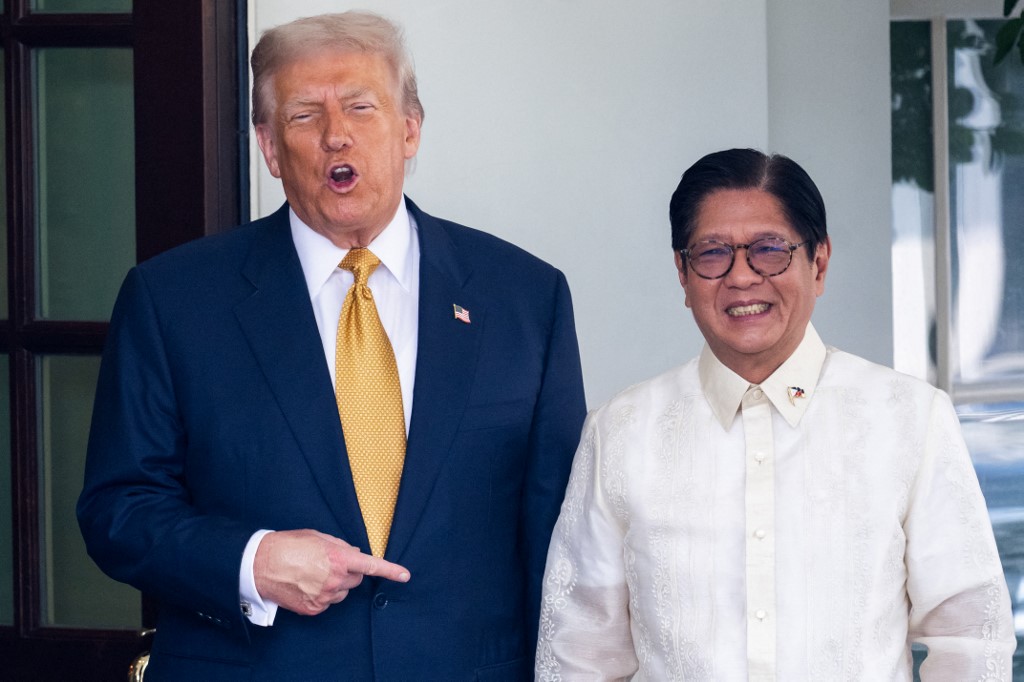
The Philippines has agreed to remove tariffs on American vehicle imports, a move that signals openness to broader trade, but one that’s also raising questions about fairness and balance.
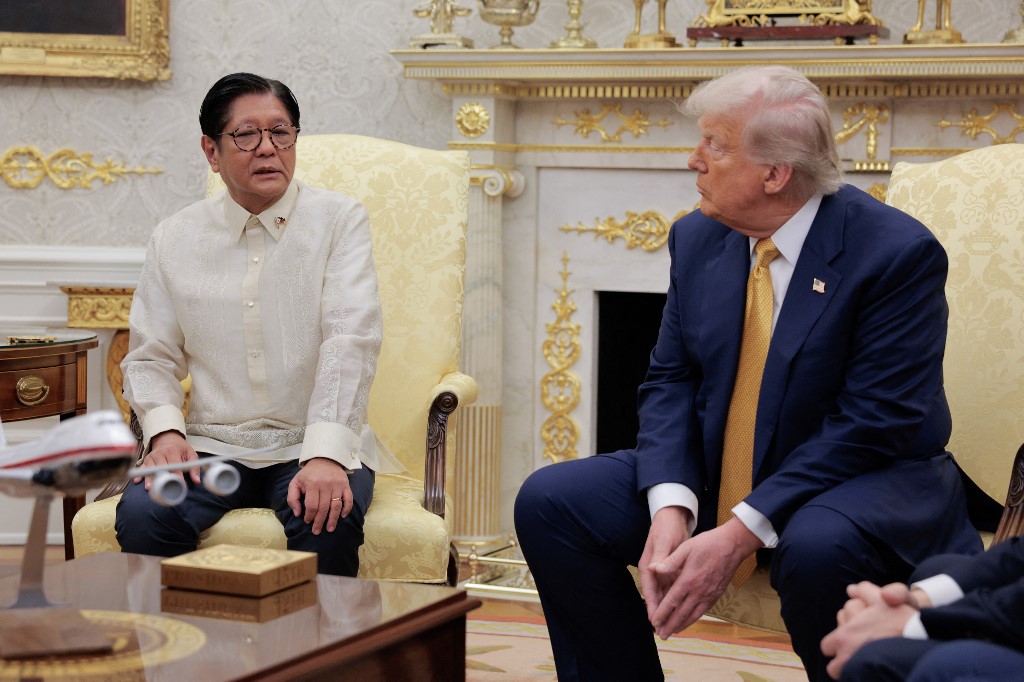
Under the current deal, the US will lower tariffs on Philippine goods to 19%, just a notch below the 20% previously in place. In exchange, Manila committed to a zero-duty policy on incoming American cars. While this could pave the way for more affordable US vehicles for Filipino consumers, some observers are concerned that the concessions may outweigh the benefits.
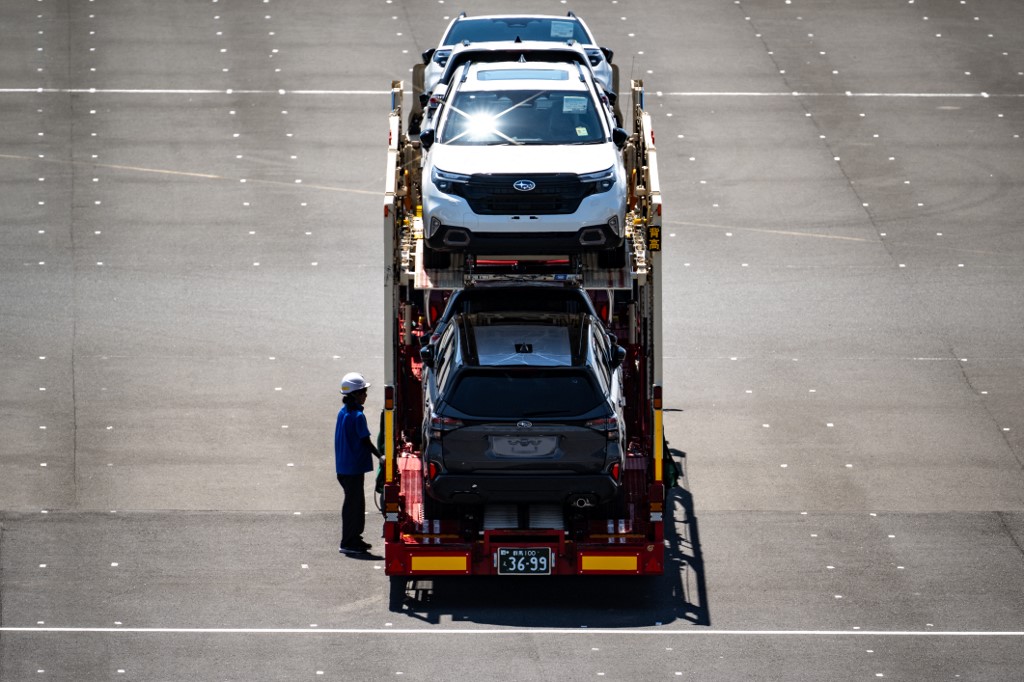
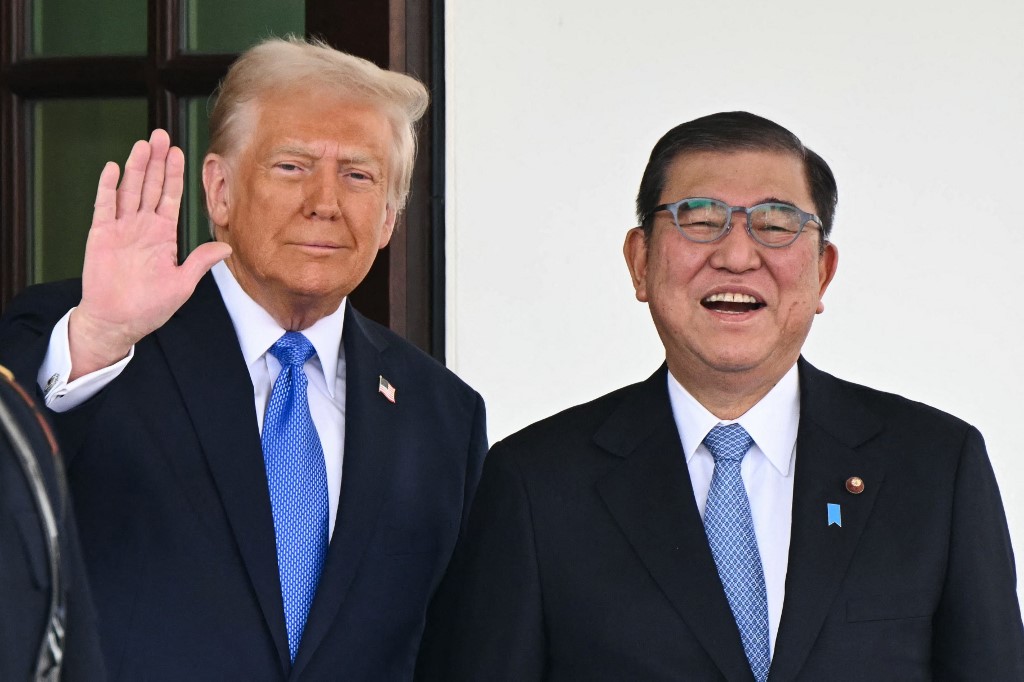
Japanese negotiators, for instance, secured a more favorable auto deal — cutting US auto tariffs from 25% to 15%, with no restrictions on import volumes. Meanwhile, Philippine exporters, particularly those outside the electronics sector, will continue to face relatively high US duties.
Economist Michael Ricafort points out that the US remains the country’s top export market, accounting for 17% of total shipments. Although the impact on GDP may be minimal due to the Philippines’ modest export-to-GDP ratio, some local sectors could still feel the pinch.
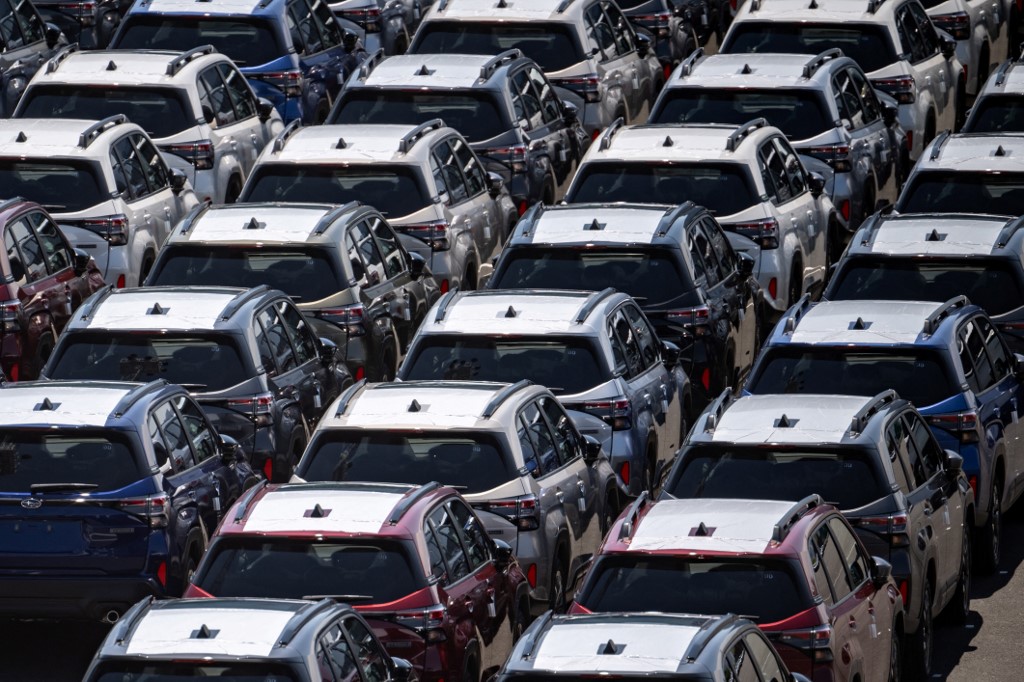
What’s more, the agreement could have ripple effects on local auto assembly and manufacturing efforts, especially as the Philippines tries to grow its presence in electric vehicles and mobility tech. Giving full access to US carmakers, while admirable for consumer choice, could create tougher competition for local and regional players.
President Marcos has described the deal as a “living thing”, suggesting it may evolve as markets adjust. Still, clarity will be key. Many are waiting on final details, particularly whether electronics exports remain exempt and how other industries will be supported.
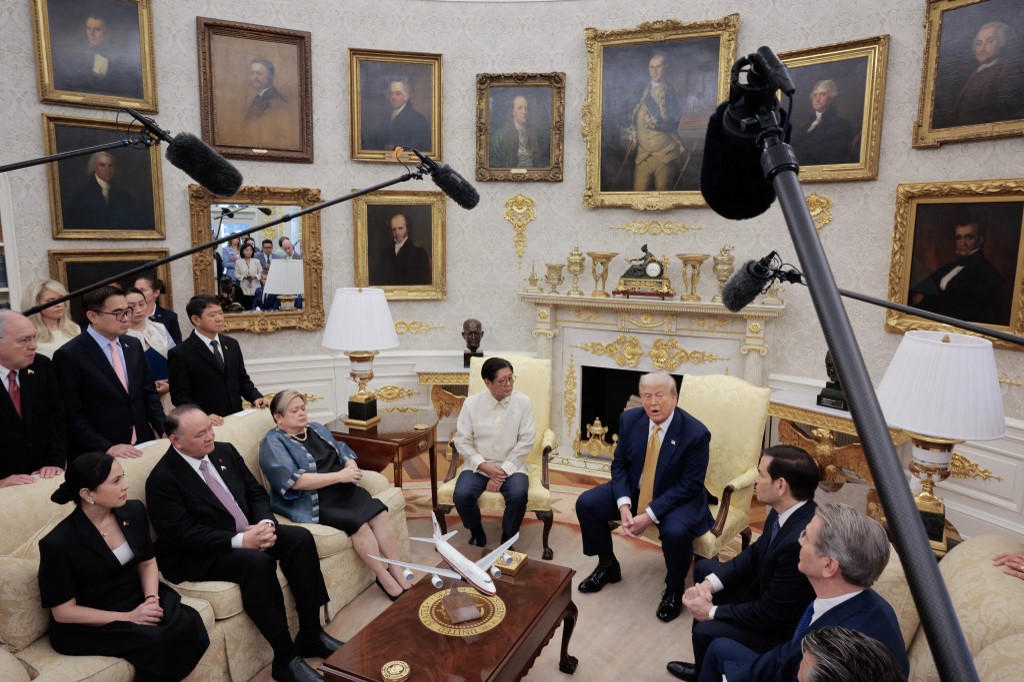
There’s also the broader question of whether we are negotiating trade from a position of strength, or a place of accommodation.
While the 19% US tariff is lower than what many ASEAN neighbors face, such as Vietnam at 20%, and Malaysia and South Korea at 25%, the Philippines’ zero-tariff concession stands out. The optics are delicate: we opened our doors wider than most, yet our own exports are still met with significant tariffs.
This doesn’t necessarily mean it’s a bad deal. It could spark more US investment or deepen economic ties. But it’s fair, and necessary, to ask the question:
Are we protecting the industries that need it most, or giving away too much too soon?







Pingback: Trump Flags Off Washington IndyCar Debut - ridenetwork.ph