Motorcycles
Scoot Smart
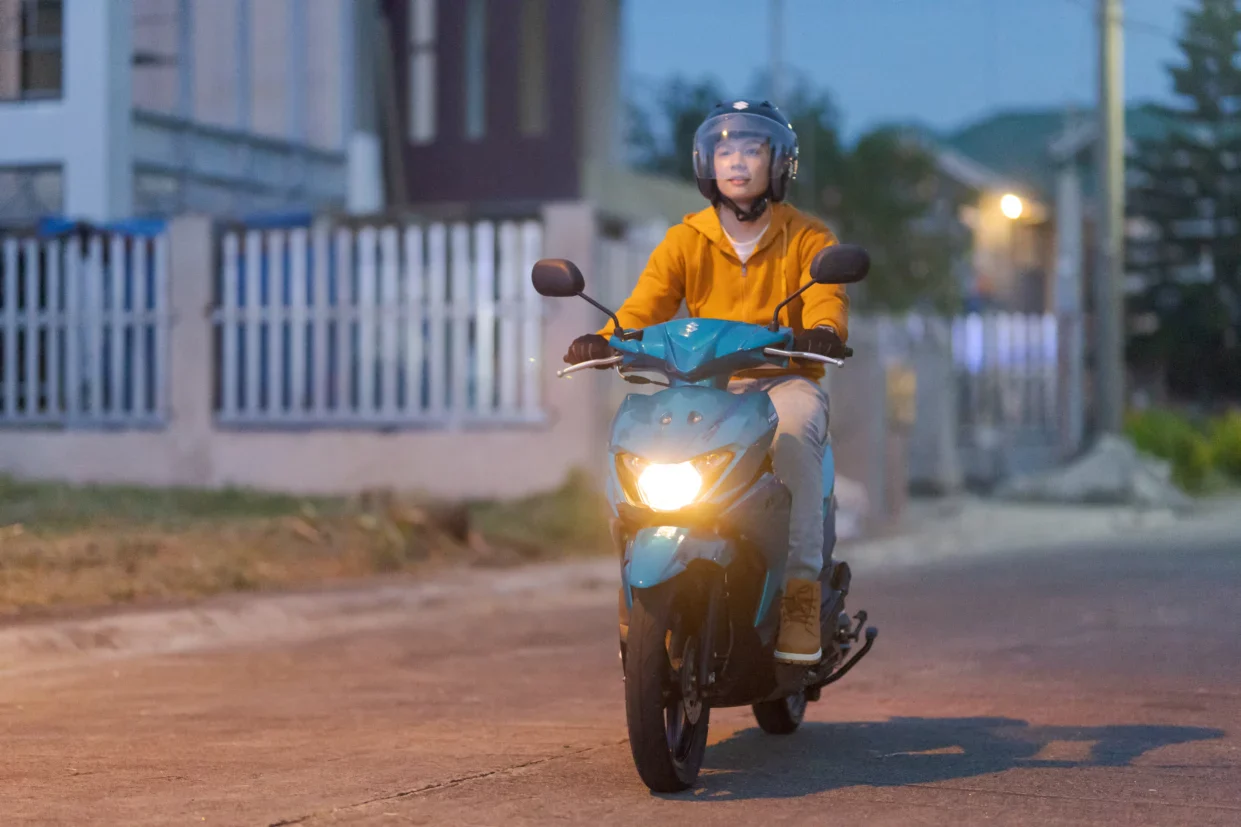
The Suzuki Skydrive Sport continues to attract Filipino riders looking for an affordable scooter that is easy to operate, economical to maintain, and practical for everyday travel.
At the center of the scooter is a 113cc fuel-injected engine designed to provide smooth power delivery and efficient fuel use. The system offers more consistent performance than a conventional carbureted setup while requiring fewer adjustments over time.
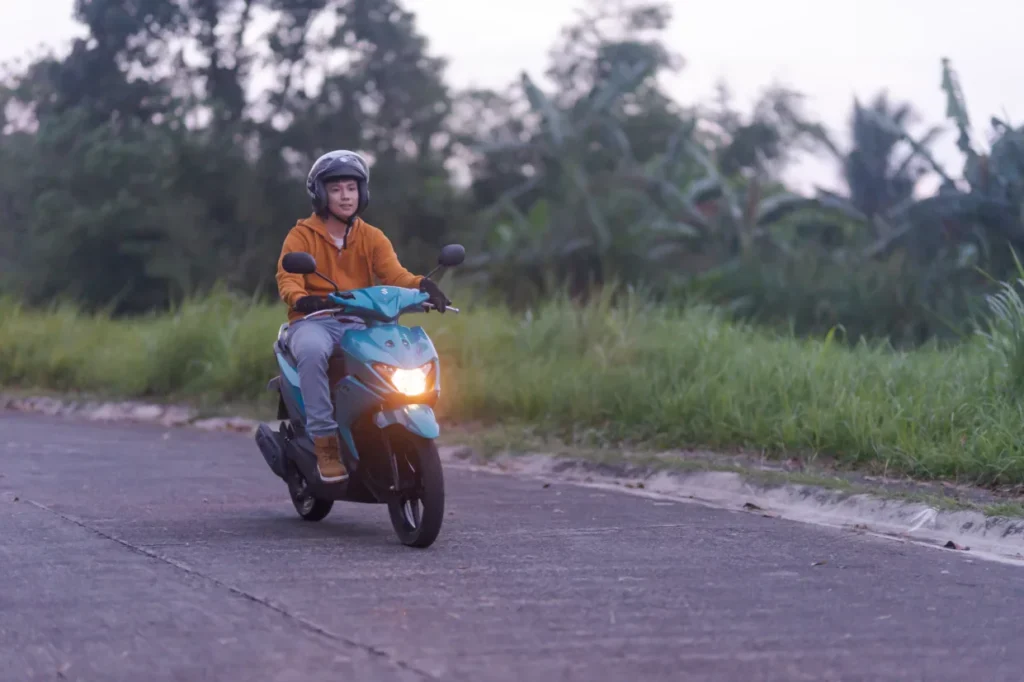
Its fuel economy makes the Skydrive Sport suitable for riders who depend on motorcycles for work, school, errands, and daily commuting. Fewer fuel stops can help reduce operating expenses, especially for owners who cover long distances each week.
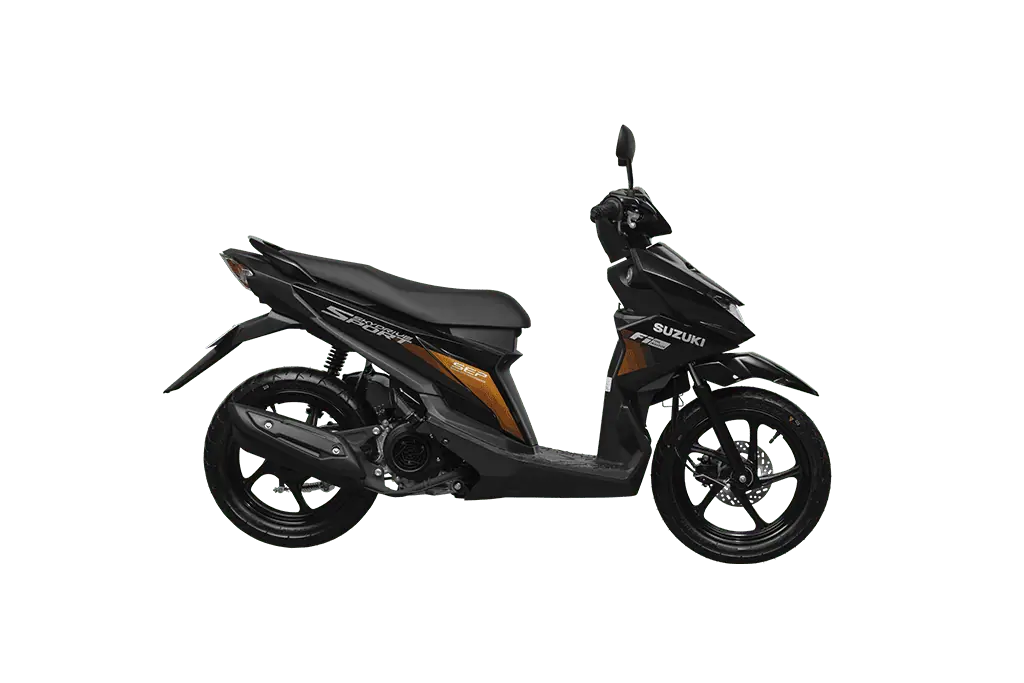
Suzuki also kept the scooter light and compact. Its manageable size allows riders to handle crowded streets, narrow roads, and tight parking spaces more easily. The low weight also makes it approachable for beginners who are still building their riding experience.
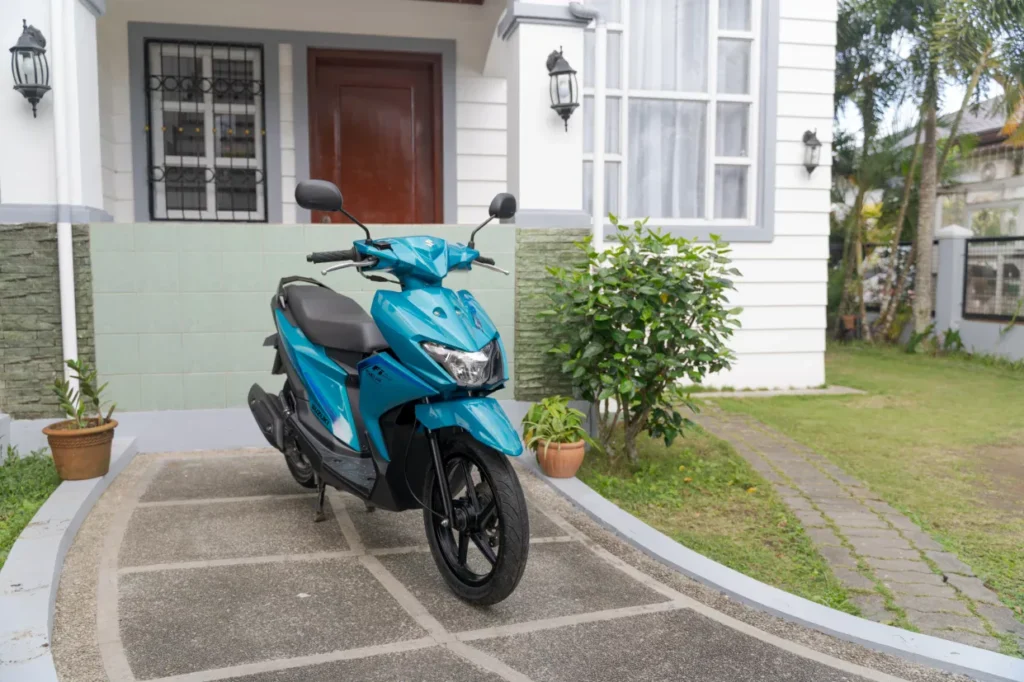
Comfort remains part of the package. The seating position is designed for regular urban trips, while the scooter’s responsive handling helps reduce the effort needed when changing lanes or moving through slow traffic.
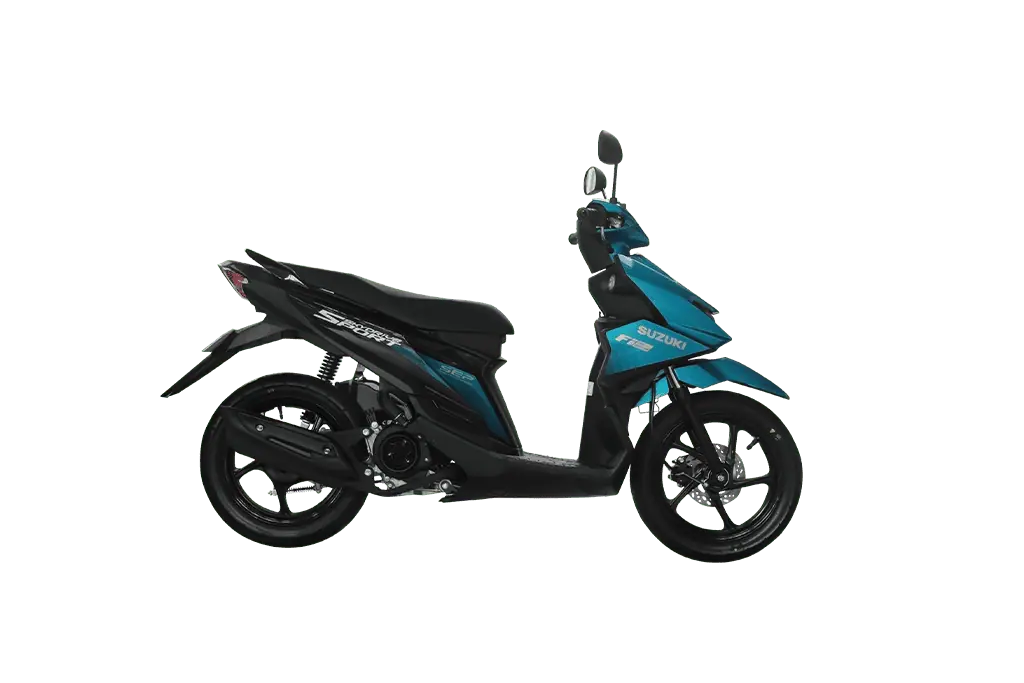
The Skydrive Sport also carries a sharp body design that gives it a more youthful appearance. Available colors listed in the supplied material include Titan Black, Metallic Matte Stellar Blue, and Candy Jackal Green.
These options allow owners to choose between a restrained finish and brighter shades that stand out on the road.
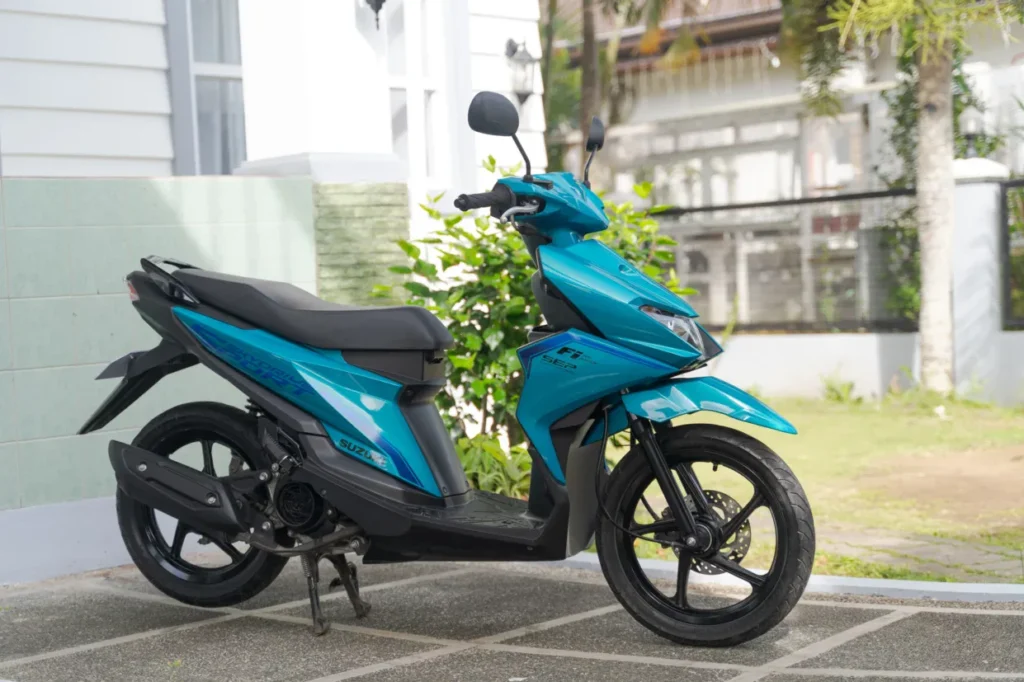
Price is another reason the scooter appeals to budget-conscious buyers. The supplied product information lists the 2024 Skydrive Sport at P72,900, placing it within reach of first-time motorcycle owners and commuters searching for an alternative to public transportation.
Ownership costs extend beyond the purchase price. The scooter’s fuel-injected engine, simple construction, and access to Suzuki’s dealership and service network can help make scheduled maintenance and parts replacement easier to manage.
That network also gives owners access to trained technicians and genuine components through authorized outlets across the country.
The Skydrive Sport is suited to several types of riders. New owners can benefit from its light handling and straightforward controls. Daily commuters can take advantage of its fuel efficiency and compact footprint, while style-conscious buyers get a sporty design without moving into a more expensive category.
It does not rely on excessive technology or complicated features. Instead, the Skydrive Sport focuses on the qualities that matter during everyday use: low running costs, manageable performance, easy handling, and accessible pricing.
That practical balance helps explain why the Suzuki Skydrive Sport remains a familiar choice among Filipino scooter riders.

Motorcycles
Maxim arrives in Ormoc
Maxim has started operations in Ormoc City, giving residents another app-based option for car trips, tricycle bookings and deliveries.
The Maxim app now lists four-seater and six-seater car services, Trike and Bike Delivery in the city. Starting fares are P45 for four-seater cars, P55 for six-seater vehicles and P10 for Bike Delivery and Trike services.
The platform is also looking for local driver-partners as it builds its operations in Ormoc. Maxim said its commission ranges from 15 to 18 percent, depending on the terms of cooperation. New driver-partners begin with a zero-percent commission, which gives them time to get used to the app and assess the service.
Donald Maing, head of Maxim Ormoc, said the service is intended to give residents a more affordable way to travel and send items.
“We are excited to bring Maxim’s services to Ormoc and provide residents with an affordable, reliable and convenient way to travel and send items,” Maing said. “We also look forward to welcoming more local driver-partners to the platform as we help meet the community’s growing transportation and delivery needs.”
Customers can download the Maxim app on Android and iOS devices to book the available services.
Maxim began operating in the Philippines in 2020, starting in Cebu. The company said its services have since expanded to more Philippine cities, where it provides delivery and pre-arranged car transport services.
In Metro Manila and Cagayan de Oro, Maxim is also part of a pilot program for motorcycle passenger transport. Its expansion in Ormoc adds another local market to its Philippine network while opening earning opportunities for drivers who want to join the platform.
Motorcycles
VinFast lists four checks for e-moto buyers
Buying an electric motorcycle requires more than comparing its price and specifications. VinFast says first-time buyers should also examine the support network, battery plan, weather protection and real-world range before choosing a model.
The Vietnamese electric vehicle brand is building its Philippine two-wheel network around three models and 28 dealerships that will provide sales and aftersales services. This network is one of the first things buyers should consider because warranty support, servicing and access to battery-swapping stations can affect everyday ownership.
Battery cost is another major consideration. VinFast will let customers either buy the battery with the motorcycle or use a subscription plan. The subscription costs P439 a month for one battery and P799 for two batteries, which also gives riders access to the company’s swapping network.
Customers who subscribe on or before 30 September 2026 will receive a free one-battery subscription for 12 months and up to 20 free battery swaps each month during the period.
Prices under the one-battery subscription plan start at P62,900 for the EVO, P64,900 for the Feliz II and P73,900 for the Viper. With one battery included, prices are P75,600, P77,600 and P89,600, respectively. Two-battery packages cost P88,300 for the EVO, P90,300 for the Feliz II and P99,300 for the Viper.
VinFast estimates that its models could save owners P40,000 to P70,000 over five years compared with similarly positioned gasoline motorcycles. Actual savings will depend on use and prevailing fuel and electricity prices.
Weather protection should also be checked carefully. The Viper has an IP67-rated motor and controller system for water resistance in wet conditions. However, an IP rating should not be treated as permission to ride through deep floodwater, since other parts of the motorcycle and unseen road hazards may still put the rider at risk.
Range and performance must also match the rider’s routine. The EVO can travel up to 150 kilometers with two batteries under standard conditions and has a top speed of 80 kph. The step-through Feliz II reaches 90 kph and has a flat floorboard for bags and other items.
The sportier Viper produces up to 5,200 watts of power and reaches 90 kph with two batteries. It also has a 21-liter storage compartment, projector headlights, a TFT display, smart key and USB charging.
For first-time e-motorcycle buyers, the right model should fit the budget, daily route, charging access and available ownership support.
Motorcycles
China’s new superbike challenger
Chongqing, China | A breakthrough victory in international racing has placed Chinese motorcycle manufacturer ZXMoto on a fast road toward global expansion.
Founder Zhang Xue watched the company’s superbike finish four seconds ahead of its rivals at the Supersport World Championship in March. It was only ZXMoto’s third race in the series, but the result immediately lifted demand for its motorcycles.

ZXMoto has since doubled its workforce, while its factory in Chongqing operates around the clock. Production has yet to catch up, with customers still waiting several months for their orders.
“You have this dream you’ve been thinking about for many years, and when it finally comes true, I was so happy,” Zhang said.
The former motorcycle mechanic established ZXMoto two years ago and now wants the company to challenge established European and Japanese manufacturers.

Its flagship 820RR produces 133 horsepower and can accelerate from zero to 100 kilometers per hour in 2.8 seconds. It retails for around 43,000 yuan, or about $6,370, in China, which makes it at least 30 percent cheaper than comparable foreign motorcycles.
The combination of performance and price has attracted local riders who previously looked to brands such as Kawasaki, Yamaha, Honda and Ducati.

ZXMoto sold 25,000 motorcycles in 2025 and expects that figure to reach 100,000 units this year. The company plans to double annual sales by 2027, which would place its volume near BMW Motorrad’s present scale.
However, the company’s growth comes as China’s domestic motorcycle industry faces lower demand and tighter profit margins.
Motorcycle sales in China fell 3.4 percent in 2025 and continued to decline this year. More buyers are choosing cars or electric two-wheelers, while intense competition has forced manufacturers to reduce prices.
“Twenty years ago, as long as you produced a motorcycle, even if it didn’t start, people would line up to give you money,” Zhang said. “Now, if you don’t get serious, you will be eliminated by the market.”

ZXMoto enjoys a loyal following in China, where Zhang’s rise from mechanic to motorcycle manufacturer has made him a symbol of the country’s industrial progress. That domestic support may not be enough as local demand weakens, which has made overseas sales increasingly important.
China produced 22 million motorcycles last year, and half were exported. Manufacturers are now seeking markets with stronger purchasing power and better margins.
ZXMoto aims to export 40,000 motorcycles to Europe in 2027. Another Chongqing manufacturer, Shineray, already sells 90 percent of its entry-level models in South America, Southeast Asia and Africa.
Chongqing gives these companies access to more than 50 motorcycle manufacturers and hundreds of component suppliers. The city’s large industrial base helps brands develop products quickly and control production costs.
Bill Russo, an expert on China’s automotive industry, said companies such as ZXMoto are coming from one of the world’s most competitive manufacturing environments. Integrated supply chains and rapid product development have helped them improve at a pace similar to Chinese carmakers.
Russo compared today’s Chinese motorcycle industry with the country’s passenger-car sector about a decade ago. Companies such as BYD and Geely eventually became serious competitors to long-established foreign manufacturers through competitive pricing and improving technology.
Motorcycles may prove more difficult because buyers often place greater value on racing history, heritage and brand prestige. Those qualities give Japanese and European companies a stronger position than many foreign carmakers once had in China.
“The gap is closing, but it won’t close overnight,” Russo said.
ZXMoto nevertheless expects overseas customers to account for most of its sales within five years. The company is also preparing an 800-million-yuan factory scheduled to open in late 2027.
Its long-term target is to rank among the world’s 10 largest motorcycle brands by 2034.
“When Japanese products first entered Europe, there was the same reaction. There were many questions,” Zhang said. “But as long as the products are good, one day people will accept and enjoy them.”