Cars
Cybertruck Takes Back Seat

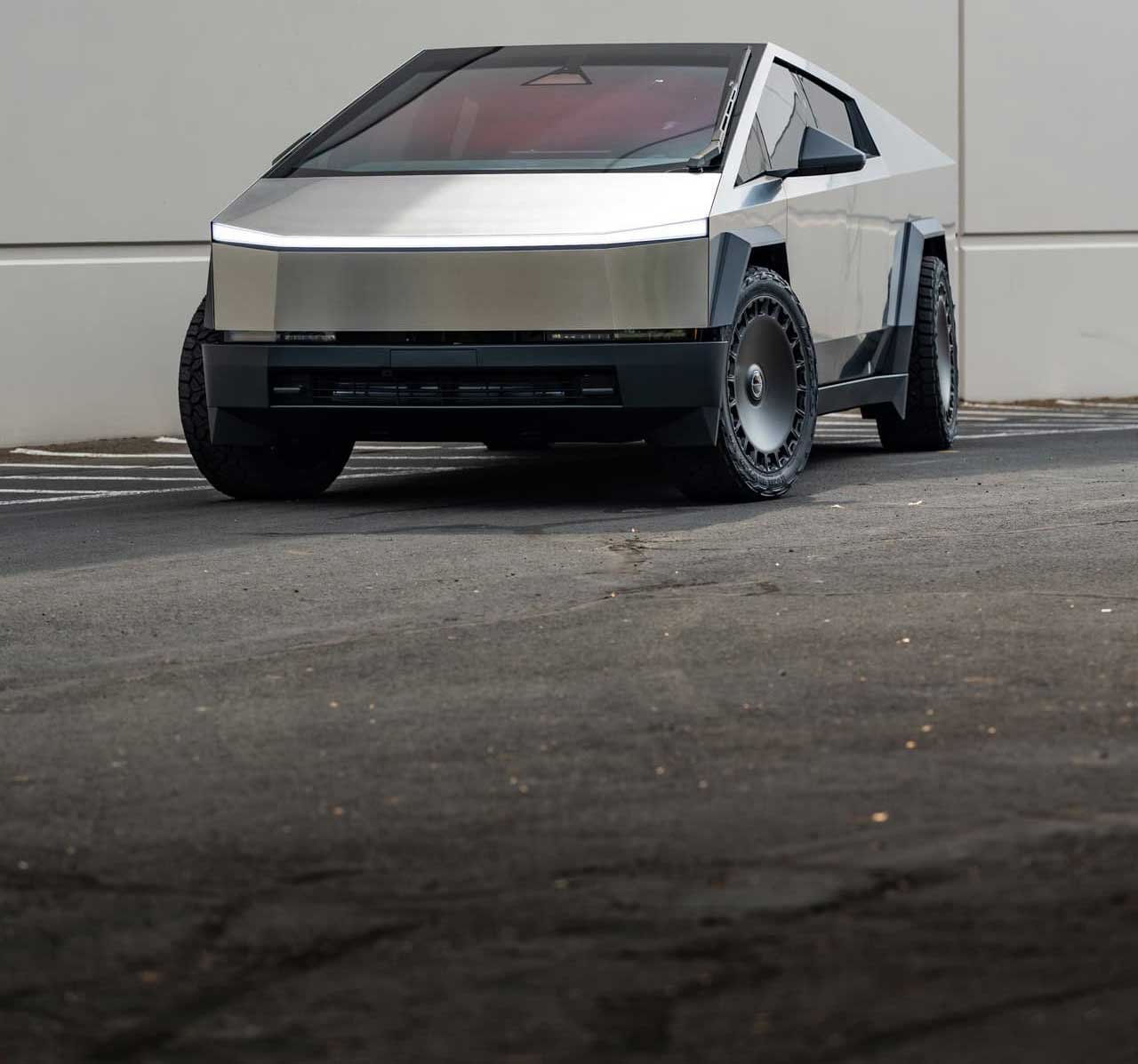
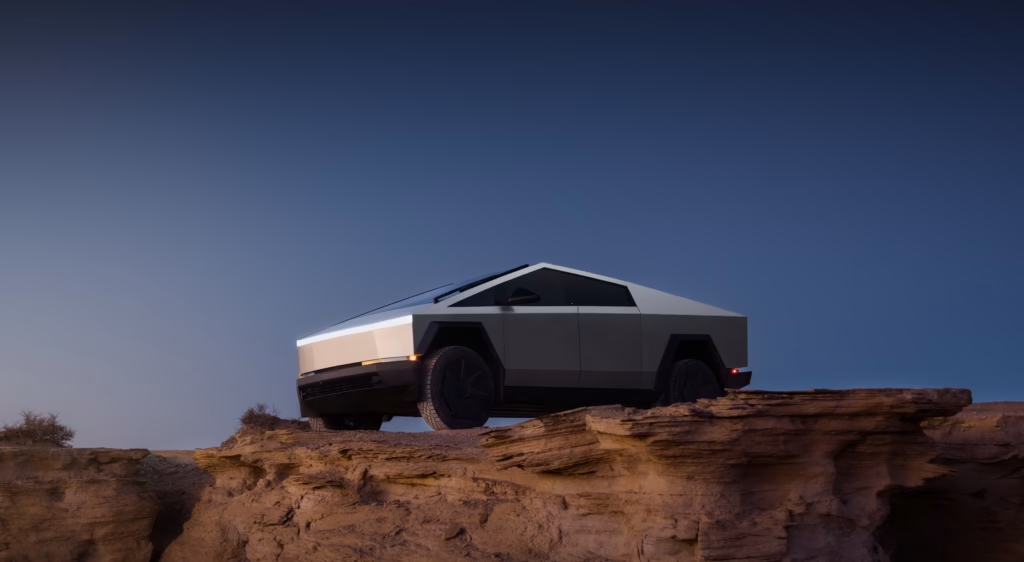
Tesla plans to wind down production of its Cybertruck at its Austin, Texas, factory around mid-2027 to make room for increased output of the Cybercab, the company’s autonomous ride-hailing vehicle.
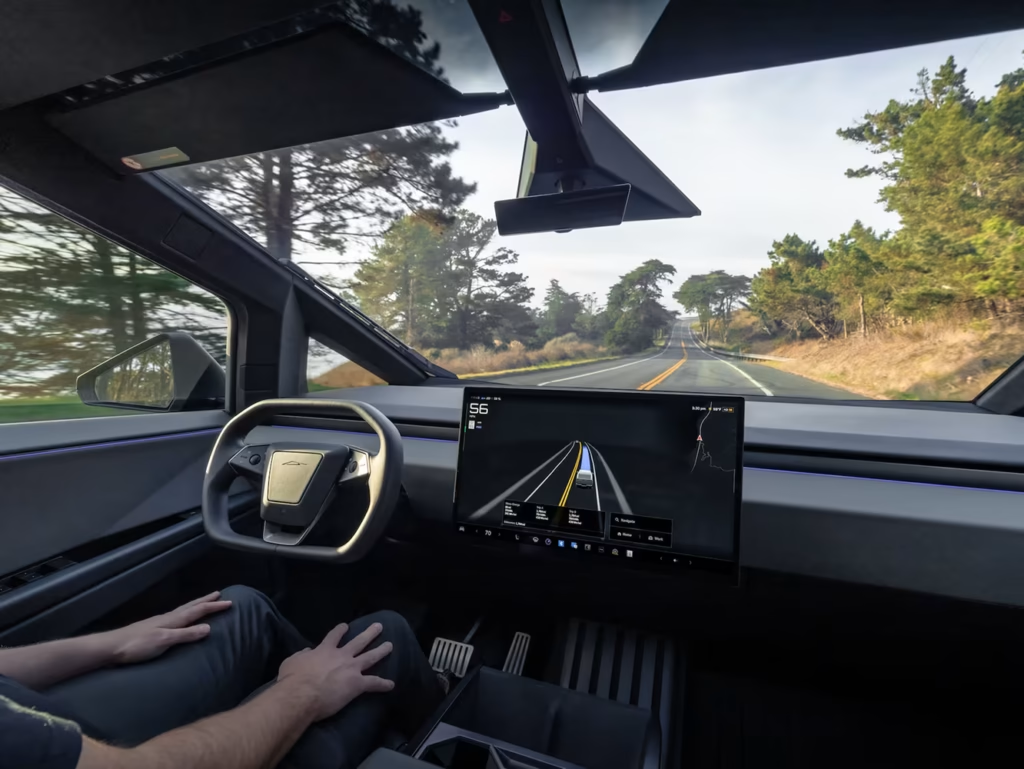
Chief executive Elon Musk announced the decision in a post on X on November 6, casting uncertainty over the future of the angular electric pickup less than three years after deliveries began.
Musk did not specify if Cybertruck production would transfer to another facility or cease entirely.
The decision follows disappointing sales for a vehicle that attracted considerable attention when Musk unveiled its prototype in 2019.
At the time, Musk acknowledged that the unconventional design would not appeal to every buyer. The stainless-steel pickup subsequently entered production in 2023, with prices ranging from approximately $80,000 to $100,000 depending on configuration.
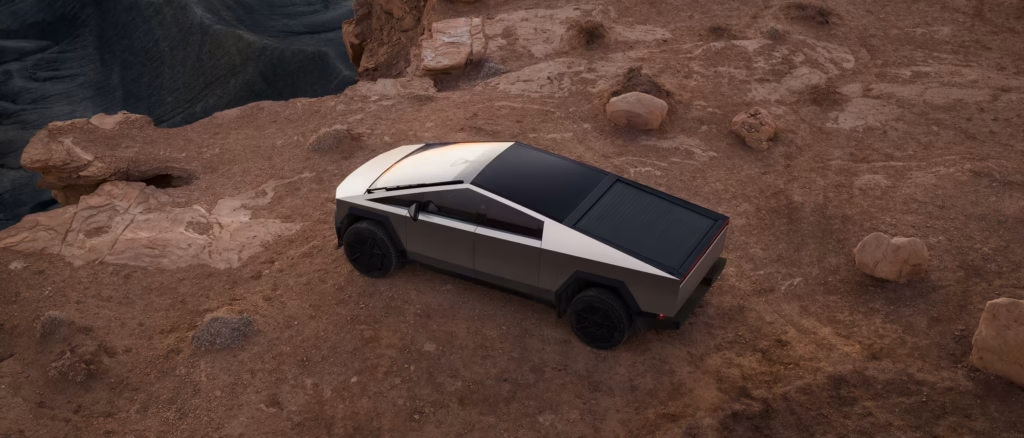
Musk had previously projected annual sales of 250,000 units, but actual demand fell well short of that target.
According to automotive research firm Kelley Blue Book, Tesla sold 20,237 Cybertrucks in the United States in 2025, a decline of approximately 48 percent from the 38,965 recorded in 2024.
The Cybertruck also encountered manufacturing and quality problems that resulted in several recalls.
In March 2025, Tesla recalled approximately 46,000 Cybertrucks after discovering that an exterior trim panel could detach from the vehicle.
The company also faced a lawsuit filed by the families of two young adults who died following a crash. The families alleged that the truck’s door design prevented the occupants from escaping the burning vehicle.
Tesla’s production decision comes as Musk directs more resources toward autonomous transportation.
The Cybercab, a two-seat electric vehicle designed without a steering wheel or pedals, began production at Tesla’s Austin facility in July 2026. Demonstrations followed in September.
Tesla intends to deploy the vehicle in a ride-hailing service that would allow passengers to request transportation without a human driver.
The company faces competition from Alphabet-owned Waymo, which already operates approximately 4,000 autonomous vehicles providing paid rides across 14 US cities.
Tesla shares rose around five percent following the November 6 announcement, as investors assessed the company’s decision to allocate more manufacturing capacity to autonomous vehicles.