Industry News
EV surge gains speed in PH
Registrations are rising fast this year. From January to July, the Land Transportation Office recorded 29,715 electrified vehicles of every type, already higher than the 24,000 counted for the whole of last year. EVAP says a realistic full-year mark is 35,000, helped by private fleets meeting the 5 percent requirement and government agencies starting to add EVs to their service pools. Battery EVs are also catching up to hybrids in registrations as more buyers accept home and public charging as part of daily use.
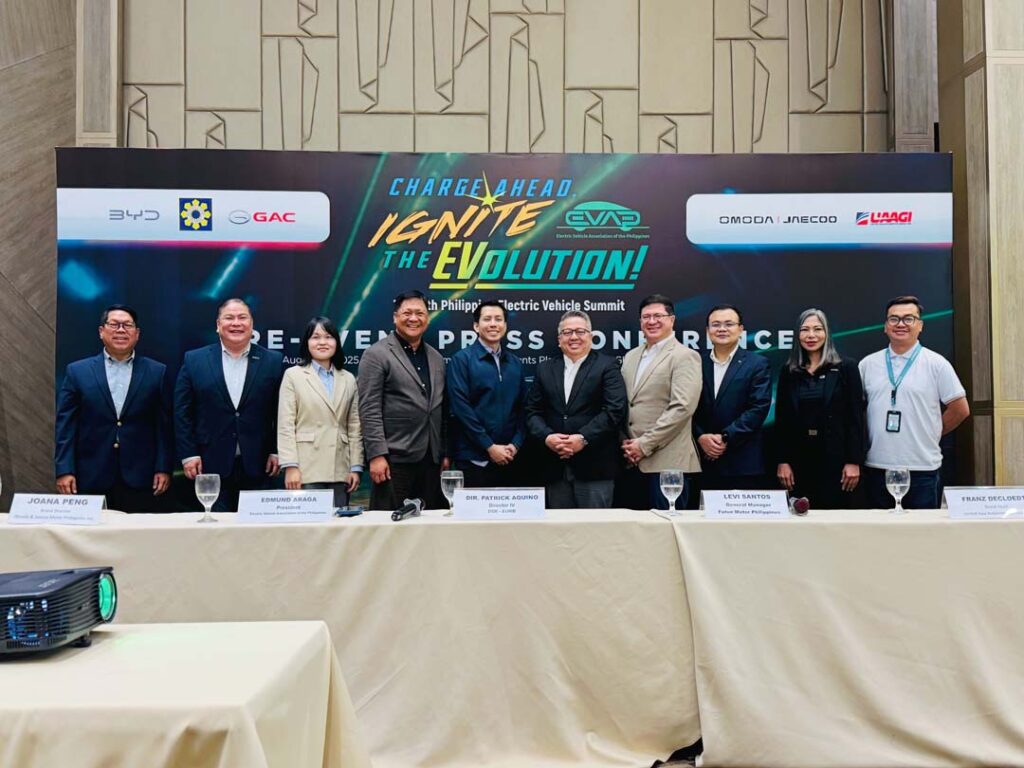
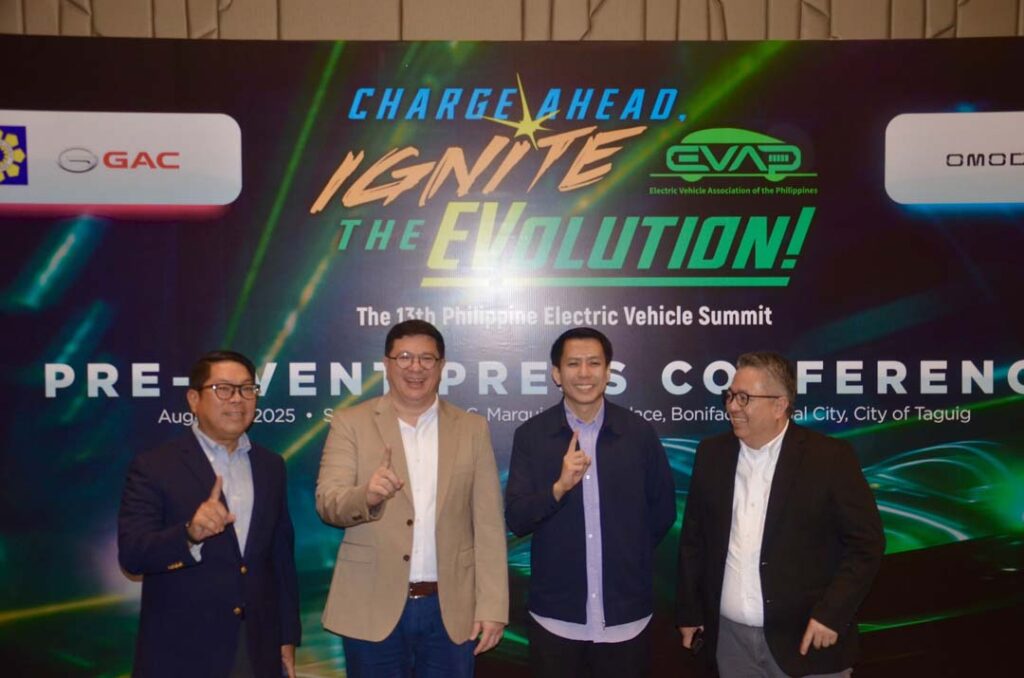
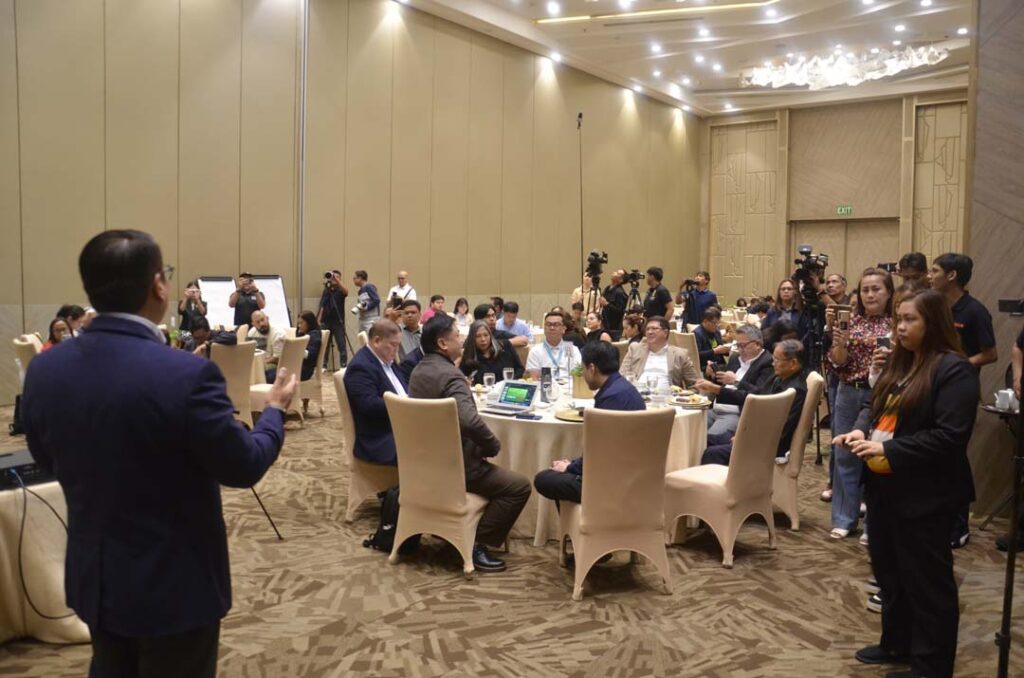
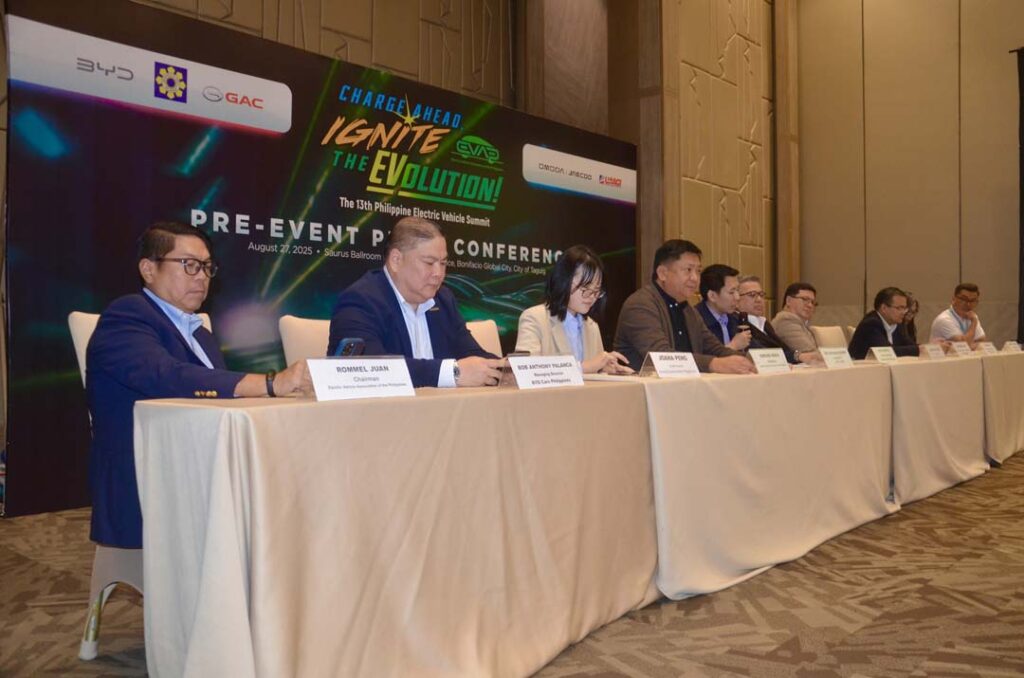
That momentum sets the stage for the 13th Philippine Electric Vehicle Summit at SMX Pasay on October 23 to 25, 2025. The show will gather major brands such as BYD, GAC, Omoda & Jaecoo, and UAAGI’s BAIC, Chery, Foton, and Lynk & Co, alongside EV startups and accessory players from two wheels to four. Test drives and tech talks will anchor the program under the theme “Charge Ahead, Ignite the EVolution.”
Sales data back the optimism. Four-wheeled EV sales nearly tripled in 2024 to 3,880 units from 1,028 in 2023. Battery EVs made up three quarters of those sales, hybrids took almost a quarter, and plug-in hybrids filled the rest. On the lighter side of mobility, two- and three-wheeler sales exploded to 43,441 in 2024.
Infrastructure remains the pain point, yet progress is visible. The Department of Energy counts 992 active charging points nationwide made up of AC, DC, and battery swapping stations, with average fees of 23.27 pesos per kWh for AC, 33.76 for DC, and 53.46 for swapping. Many chargers sit inside malls, led by SM with 69 units and Ayala with 31, with clusters in Metro Manila and growing footprints in Cebu, Davao, and Bicol.
Targets are ambitious. CREVI is aiming for 7,300 charging stations by 2028 on the way to 20,400 by 2040 when the EV fleet could reach 2.5 million. The catch is funding. EVCS deployment is largely carried by the private sector, including malls, hotels, condos, and some car brands. That keeps the rollout moving, but the industry would welcome stronger public support to accelerate coverage beyond major urban centers.
Local manufacturing and incentives add new tailwinds. The country’s first lithium battery plant in Tarlac, operated by StB Giga Factory Inc., is ramping toward an annual capacity that could power 18,000 EVs. The Department of Trade and Industry’s proposed EV Incentive Strategy projects up to 11.4 trillion pesos in economic output and as many as 680,000 jobs across assembly, batteries, charging, and services if approved by the FIRB.

All told, the industry looks stronger than it did just a year ago. The network is bigger, the model mix is wider, and buyers are more confident. The gaps are clear too. Infrastructure, policy alignment, and broader access outside the big cities will decide how quickly the country moves from early adoption to mass market. As EVAP puts it, the sector is moving and not slowing down. The next phase will be about keeping that pace while making charging and ownership easier for everyone.

Industry News
Brake Check Now
VICOAP and several road safety groups are urging the government to make brake testing mandatory for public utility vehicles after new data showed that many PUVs still operate with unsafe braking systems.
The call was made during a media roundtable in Taguig City, held ahead of the World Day of Remembrance for Road Traffic Victims. VICOAP presented its brake test results from January to September 2025, showing that 47.3 percent of inspected PUVs failed to meet minimum brake safety standards. The group said this signals an urgent need to strengthen regular inspections to protect everyday commuters.

Participants from e-Sakay, De La Salle University, WRNumero, and the Philippine Advocates for Road Safety joined the discussion to push for reforms based on real data, not guesswork. WRNumero also shared survey findings showing that eight in ten Filipinos worry about getting into road accidents, with lower-income commuters expressing the most concern.
VICOAP spokesperson Atty. Lester Cavestany emphasized that brake testing is not red tape but a basic safety measure. The organization said it hopes policymakers will refine existing rules and require stricter inspections as part of the DOTr’s Road Safety Action Plan.
Industry News
Bosch Car Service Leads EV Repair Shift
Bosch Car Service (BCS) Philippines has become the first independent workshop in the country that is officially authorized to service electric and hybrid vehicles, marking a key step in building a wider after-sales support network for electrified cars.

The milestone was formalized in Cavite on November 7, 2025 through a signing ceremony between ACMobility and Bosch Car Service. The move positions BCS as the lead player in the independent aftermarket sector for EV and hybrid servicing, at a time when more Filipinos are starting to consider electrified vehicles.

BCS now offers a full suite of services for EV and hybrid owners, from basic preventive maintenance and accessory installation to complex work such as high-voltage battery diagnostics, repair, and conditioning. The network also handles mechanical and electrical diagnostics, air-conditioning servicing, software updates, and warranty servicing for its original equipment partners.

According to BCS General Manager Geronimo Campilan, dependable service is becoming a critical part of the shift to electric mobility. He said the joint development with ACMobility is designed to expand access to expert EV care and to give owners more confidence, convenience, and support throughout the ownership cycle.
As an independent aftermarket network, BCS aims to help in three areas. First is giving consumers a more accessible service option for EVs beyond traditional dealer workshops. Second is raising standards for workshops by investing in EV-ready facilities and equipment. Third is supporting multiple car brands that need after-sales partners as they roll out more EV and hybrid models nationwide.
Paulo Duarte, Managing Director of Bosch Philippines, said electric mobility introduces new expectations on safety, technical capability, and service quality. He added that Bosch is equipping its workshops and technicians with advanced tools and skills so they can remain competitive as the EV market develops.
Technicians in the Bosch Car Service network undergo global certification and specialized training in high-voltage safety and EV or hybrid systems at Bosch training centers. The company says this continuous upskilling is meant to ensure every workshop can deliver safe and expert care that follows international standards.
The initiative aligns with Bosch’s “Invented for Life” philosophy and complements ACMobility’s wider investments in EV charging hubs across Luzon, Visayas, and Mindanao, where the group is developing digital platforms to make it easier for customers to locate chargers and service centers nationwide.
With the expanded capabilities of Bosch Car Service Philippines, EV and hybrid owners now have a dedicated independent workshop network that can provide bumper-to-bumper care as the country moves deeper into the electrified era.
Industry News
Power Move
Unioil Petroleum Philippines Inc. has officially sealed a strategic partnership with Saudi Arabia’s state-owned energy giant Aramco, marking a major milestone for the Philippine fuel industry. Under the deal, Aramco acquired a 25-percent equity stake in Unioil, a move that strengthens both companies’ foothold in the fast-growing local energy market.

With nearly six decades of experience, Unioil is known as one of the country’s leading fuel distributors and a pioneer in cleaner fuel products. The new partnership grants Unioil access to Aramco’s global refining and logistics network, ensuring a stable fuel supply to meet rising demand in the Philippines while supporting national energy security.

Unioil CEO Janice Co Roxas-Chua called the agreement “a new chapter defined by innovation and excellence,” adding that the collaboration would allow the company to expand its reach and elevate customer service. President Kenneth Pundanera said the deal aligns with Unioil’s vision of becoming the fuel retailer of choice, highlighting the partnership as proof of global confidence in the Philippine market.
The Philippine Competition Commission earlier cleared the transaction, paving the way for this strategic alliance aimed at driving innovation, growth, and sustainability in the local energy sector.