Industry News
Fast Track CDO Drives Local Workshop Growth
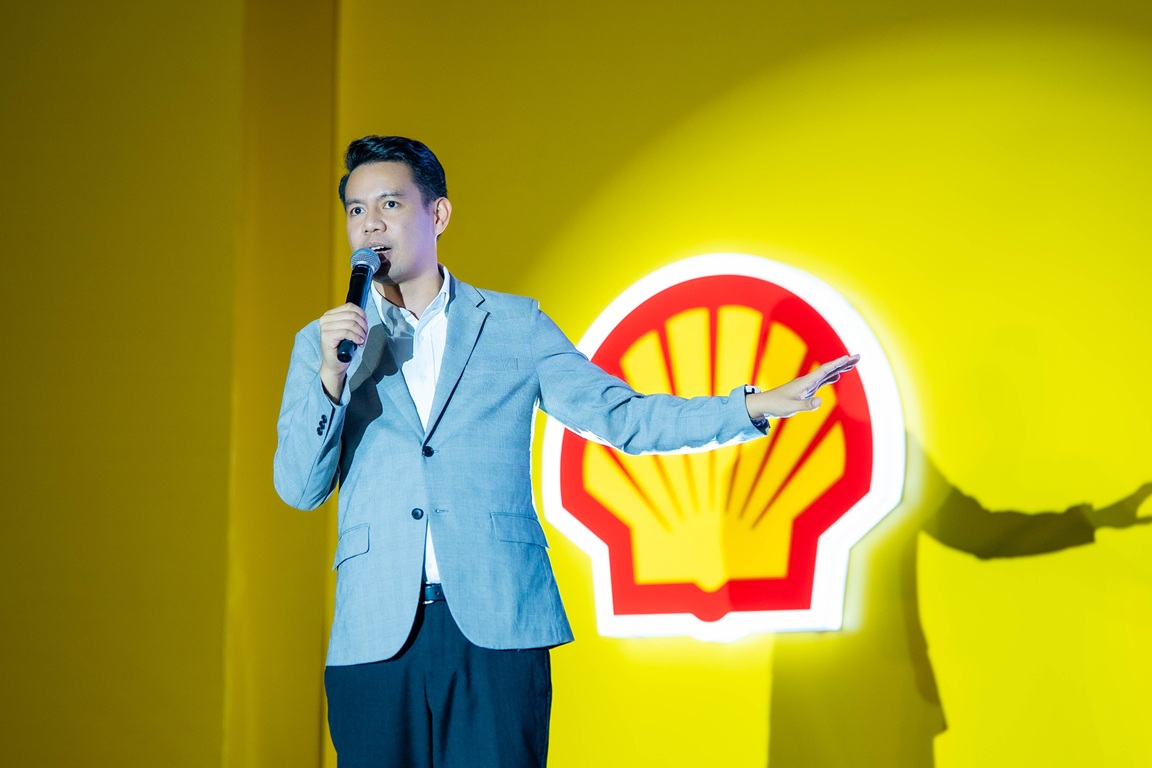
Shell Helix continues to accelerate local business success through its Fast Track: Auto Workshop Business Summit, recently held in Cagayan de Oro. The program gathered independent workshop owners from Northern Mindanao for a day of training, networking, and business growth opportunities.
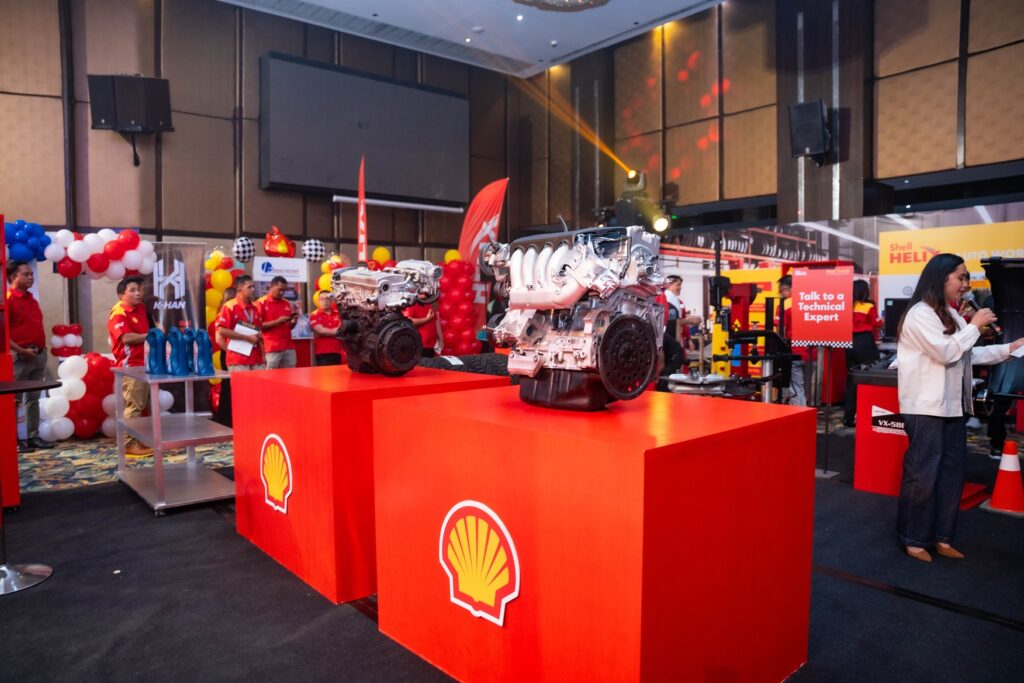
Now in its second year, Fast Track has evolved from a business-matching event into a full support platform for partner workshops. Participants learned from Shell experts about digital tools, customer service, and financial management to help them run more efficient and sustainable operations.
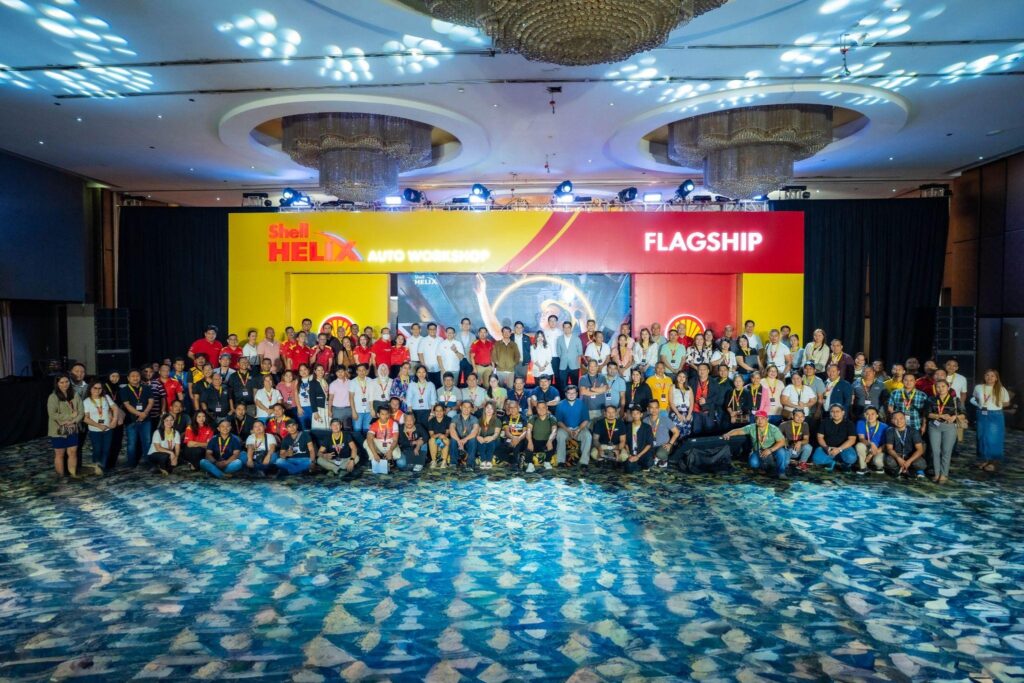
Shell Pilipinas emphasized that the program requires no franchise fees. Instead, Shell provides personalized guidance for each partner, aligning growth strategies with their capacity and community goals. “Our role is to help our partners grow steadily and sustainably,” said Ika Halili, Head of Marketing and Business Development for Shell Lubricants.
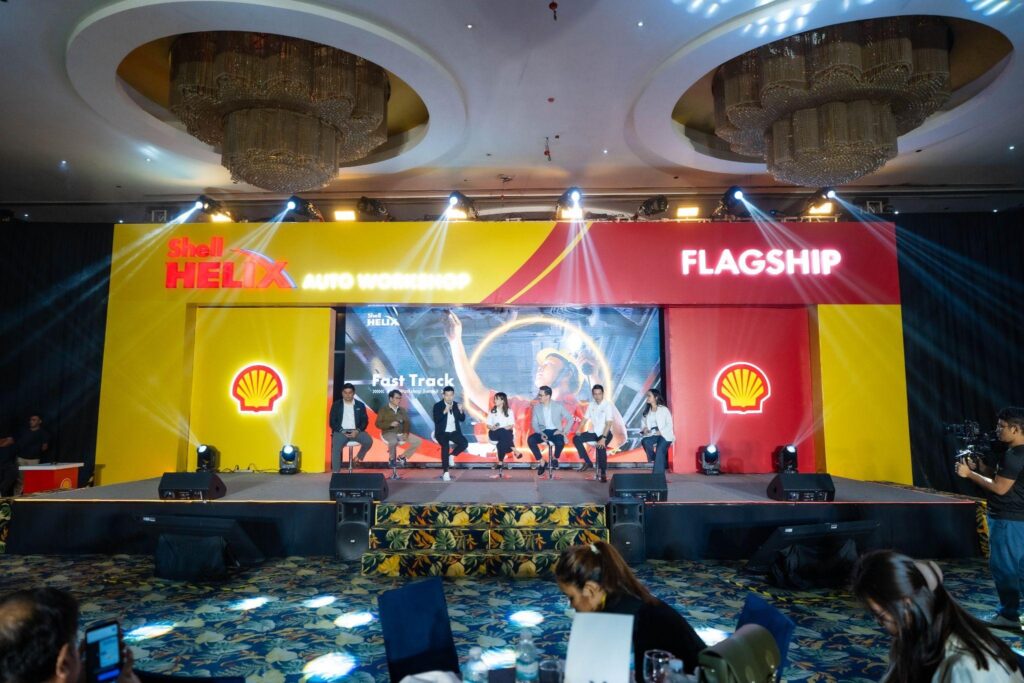
Shell Helix Brand Manager Jensen Garcia added that supporting workshop owners uplifts local economies. “Every thriving workshop means more jobs and better service for motorists,” he said.
Since its launch, Fast Track has helped workshops upgrade facilities, improve staff training, and raise customer satisfaction. By connecting entrepreneurship with real on-ground support, Shell Helix reinforces its commitment to assisting local partners to grow with purpose and confidence.

Industry News
Toyota Finds Yen Relief
Toyota has raised its full-year profit forecast after a weak yen, cost reductions and stronger hybrid sales helped offset the impact of the Middle East conflict and tougher competition in China.
Japan’s biggest automaker now expects net income of ¥3.25 trillion for the financial year ending 31 March 2027, up from its May estimate of ¥3 trillion. The new forecast is still below the ¥3.8 trillion it earned in the previous year.

Toyota also lifted its operating-income outlook to ¥3.4 trillion from ¥3 trillion, while it expects revenue to reach ¥54 trillion, a 6.5-percent increase from the prior year.
The revision came shortly after Japan and the United States jointly intervened in currency markets to support the yen. The Japanese currency had dropped to its weakest level against the dollar since 1986 before recovering last week.

A weaker yen raises Japan’s import bill, particularly for oil and raw materials, but it also increases the value of overseas earnings when converted back into yen. It can also make Japanese-made vehicles more competitively priced abroad.
For Toyota, the benefits helped cushion disruptions caused by the Middle East war. The conflict has raised material costs and made shipping to the region more difficult.
Toyota executive Takanori Azuma said its usual route through the Strait of Hormuz had become unavailable, forcing shipments to take the much longer route around South Africa’s Cape of Good Hope. The detour doubled logistics lead times.

The carmaker is now developing other routes, including transferring vehicles before the Strait of Hormuz and moving them by land into Middle Eastern markets.
Toyota reported first-quarter net income of ¥1.5 trillion, up 75.6 percent from a year earlier and above market expectations. Revenue rose 10.4 percent to ¥13.5 trillion.
Operating income, however, declined 8.8 percent to ¥1.1 trillion. It was Toyota’s fifth consecutive quarterly decline in operating income.

Hybrid sales, currency effects and cost-cutting measures helped soften the pressure from the Middle East situation, the company said. Yet its global vehicle sales still fell 2.8 percent in the first half of calendar 2026, with sales in China dropping 17.1 percent.

The China decline comes as local manufacturers continue to gain ground. BYD recently entered Japan’s kei-car market, putting the Chinese electric-vehicle giant in more direct competition with Toyota, Nissan and Suzuki.
Toyota also announced a ¥1-trillion share buyback programme. Its shares nevertheless fell nearly two percent in Tokyo trading on Tuesday.
Industry News
VinSpace taps SpaceX for 2027 mission
HANOI, Vietnam — VinSpace has signed a contract with SpaceX to send its first satellites into orbit in 2027, an agreement that supports the Vietnamese company’s plan to develop capabilities across the space industry.
The satellites will travel aboard one of SpaceX’s Transporter rideshare missions, which carry payloads from several customers on the same launch. VinSpace did not disclose the number of satellites covered by the contract or the financial terms of the agreement.
VinSpace will handle the research, development and manufacturing of the satellites, along with their operation once they reach orbit. The missions will test technologies developed by the company and help build its experience in satellite engineering.
The agreement follows VinSpace’s announcement in April that it planned to develop and launch its first satellites in 2027. The company views the initial missions as a foundation for future commercial services based on satellite technology and data.
VinSpace CEO Thu Vu said reliable access to orbit was necessary to turn satellite research into working missions.
“This contract with SpaceX is an important milestone in VinSpace’s long-term strategy to help build Vietnam’s space ecosystem and strengthen the country’s position within the global space economy,” Vu said.
The company expects the satellite program to support technology testing in orbit, the training of Vietnamese aerospace professionals and cooperation with international partners. It also plans to use the missions to prepare technologies for commercial applications in Vietnam, Southeast Asia and other markets.
VinSpace aims to operate across the space industry instead of concentrating on a single part of the business. Its plans cover satellite design and manufacturing, assembly, integration and testing, launch management, satellite operations and services based on space data.
The company is also developing capabilities in ground infrastructure, satellite connectivity and geospatial intelligence. Potential applications include infrastructure monitoring, energy, environmental management, logistics and smart-city services.
VinSpace is part of the Vingroup ecosystem, which also includes Vietnamese electric vehicle manufacturer VinFast. The SpaceX agreement gives the aerospace company a launch provider as it works toward its first missions and builds a broader commercial space business.
Industry News
Two wheels stay steady
Philippine motorcycle sales reached 939,528 units in the first half of 2026 as a strong opening quarter offset weaker demand from April to June.
Data from the Motorcycle Development Program Participants Association showed sales rose 3.58 percent from 907,054 units during the same period last year.
The industry sold 496,868 motorcycles in the first quarter, up 11.6 percent year on year. Second-quarter volume fell 4.2 percent to 442,660 units from 462,007 units, although the earlier gains kept the six-month total in positive territory.
Automatic motorcycles remained the largest segment with 655,004 units sold. Their ease of use, fuel efficiency and suitability for daily commuting continued to attract Filipino riders.
Business motorcycles ranked second with 148,989 units. Demand from delivery services, small businesses and other income-generating activities helped sustain the segment.
Mopeds recorded 107,632 units, followed by street motorcycles with 24,346 units. Big-bike sales reached 2,994 units, while other categories accounted for 563 units.
MDPPA president Erwin D. Estrada said the first-half performance showed the resilience of the local motorcycle industry despite tougher market conditions and a high comparison base from 2025.
He added that buyers continue to recognize motorcycles as affordable and dependable transportation for work, business and everyday travel.
Industry analysts expect long-term sales growth to continue as demand for cost-efficient mobility remains strong. MDPPA represents Honda, Kawasaki, Suzuki and Yamaha in the Philippines.