

Industry News
Taxi Trap Busted

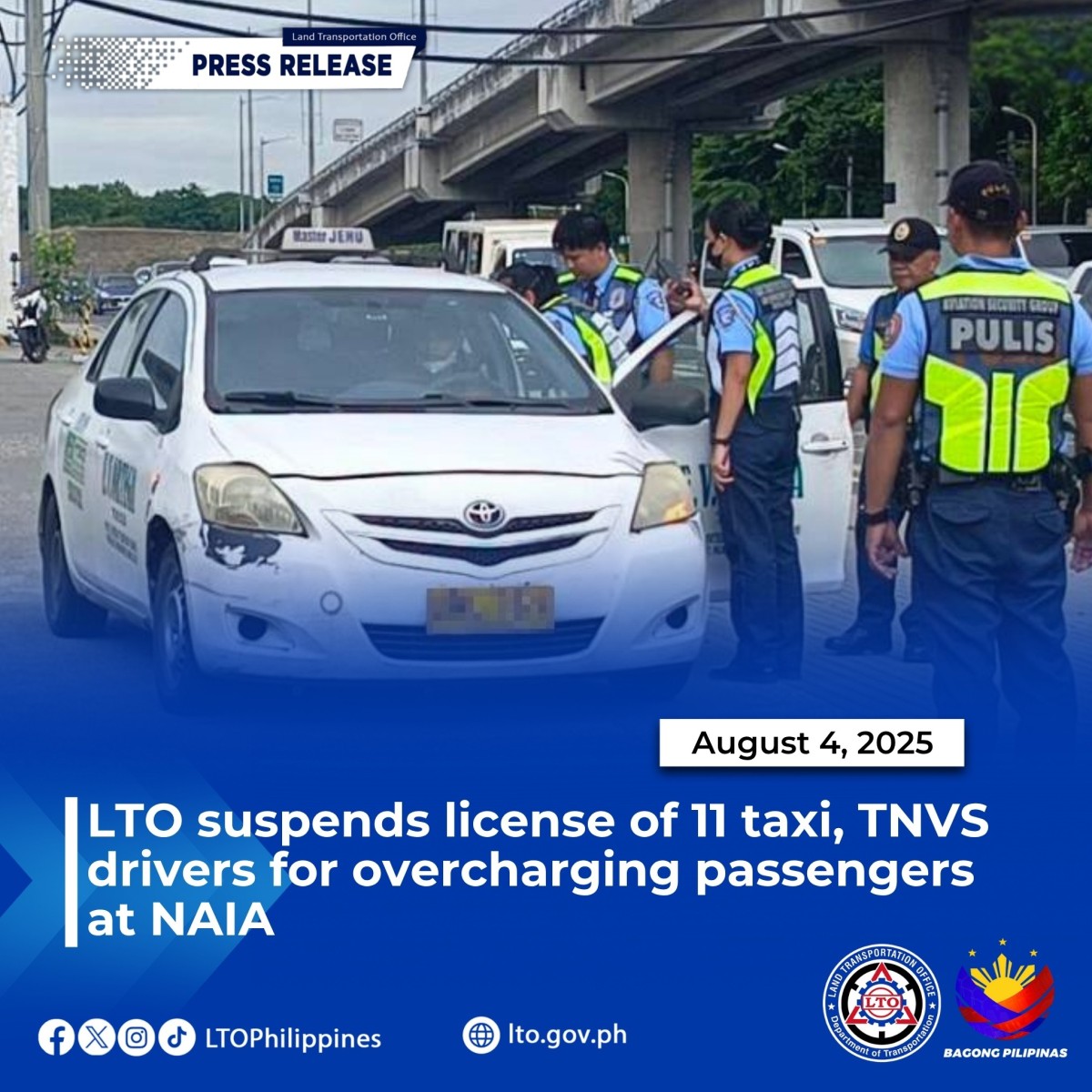
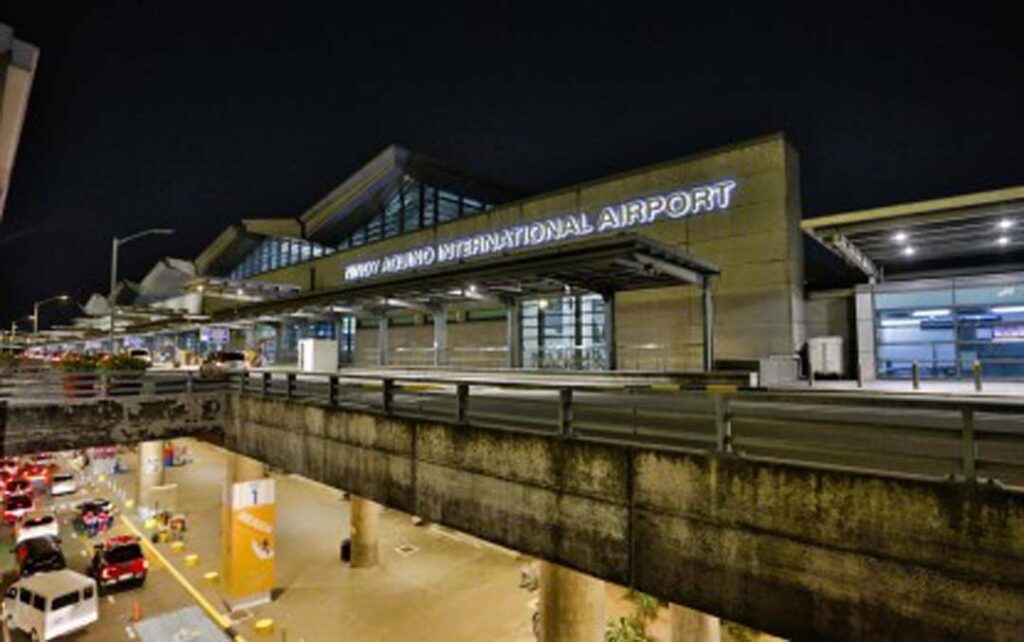
The Land Transportation Office (LTO) has suspended the licenses of 11 drivers, both from regular taxis and ride-hailing apps, after they were caught overcharging passengers at the Ninoy Aquino International Airport (NAIA).
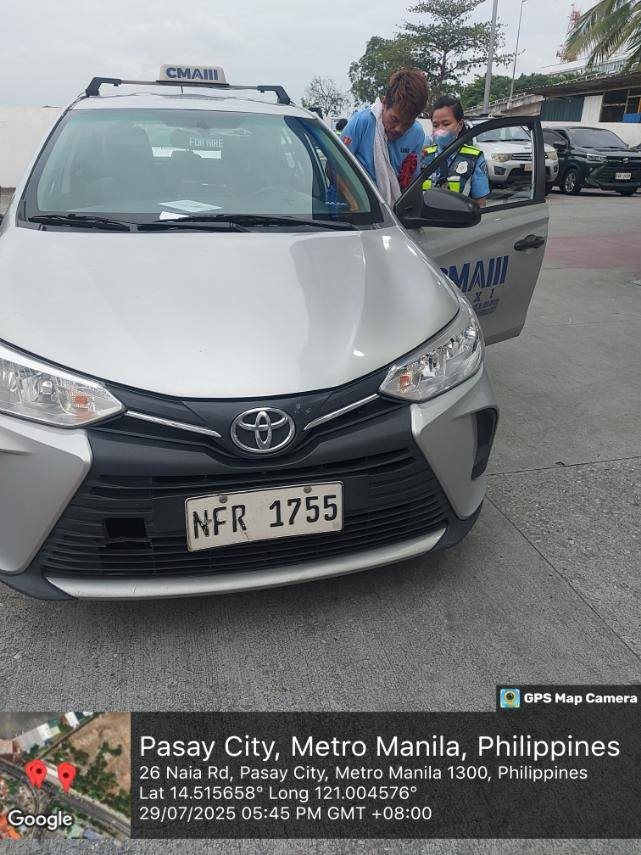
According to LTO Chief Assistant Secretary Vigor D. Mendoza II, the 90-day preventive suspension is part of the ongoing crackdown on abusive public utility vehicle (PUV) drivers, following the directive of President Ferdinand Marcos Jr.

“These drivers thought our campaign was just ningas cogon. They’re wrong. This proves we’re serious,” Mendoza said. He added that DOTr Secretary Vince Dizon gave strict orders not to let up on abusive taxi and TNVS drivers, especially because they give honest drivers a bad name.
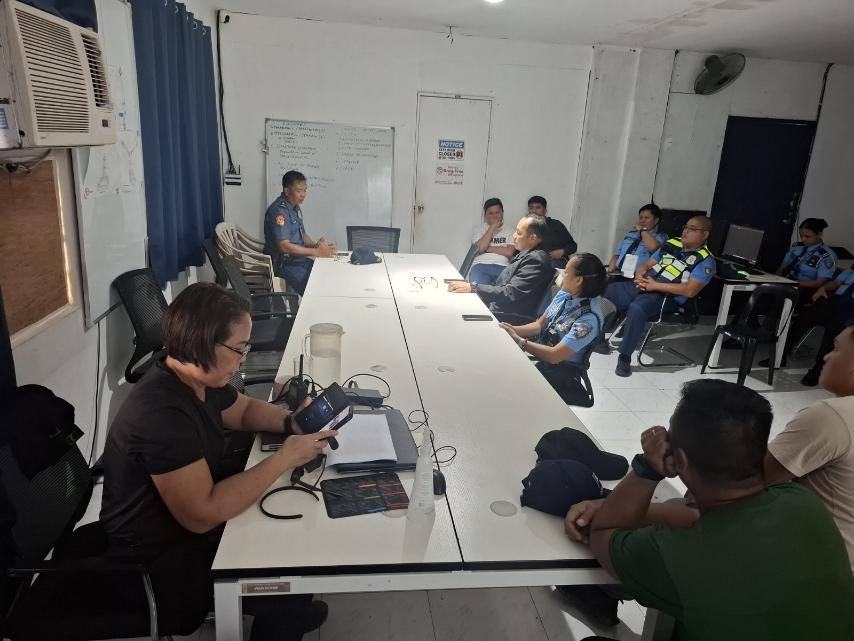
The LTO and the Philippine National Police’s Aviation Security Group recently conducted joint operations targeting drivers who were overcharging, snubbing, or illegally negotiating fares. Investigations showed that the 11 drivers charged between P200 and P700 for short trips, such as between NAIA Terminals 1 and 3.
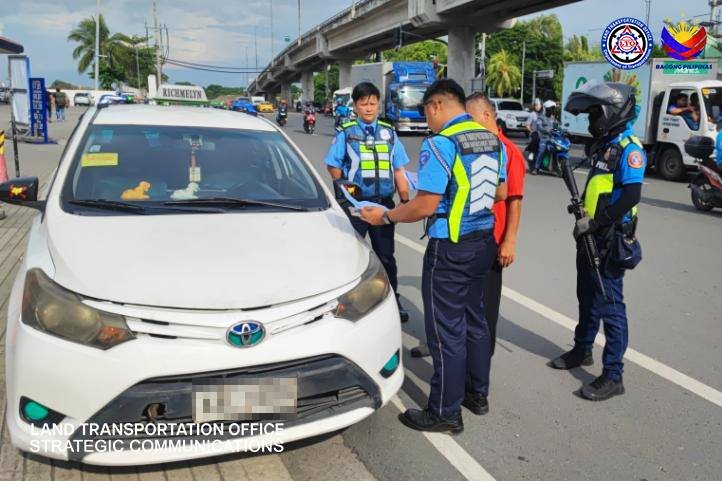
The LTO issued Show Cause Orders (SCO) requiring the drivers to explain why their licenses should not be permanently revoked for being “improper persons to operate a motor vehicle.” They were also told to immediately surrender their licenses.
Mendoza emphasized that these drivers could face long suspensions or even permanent bans from working as taxi or TNVS drivers. Meanwhile, the LTFRB will conduct separate proceedings on whether the franchises of the involved vehicles should also be revoked.
To prevent further abuse, LTO personnel will continue to be stationed at NAIA terminals to respond to reports of overcharging in real time.


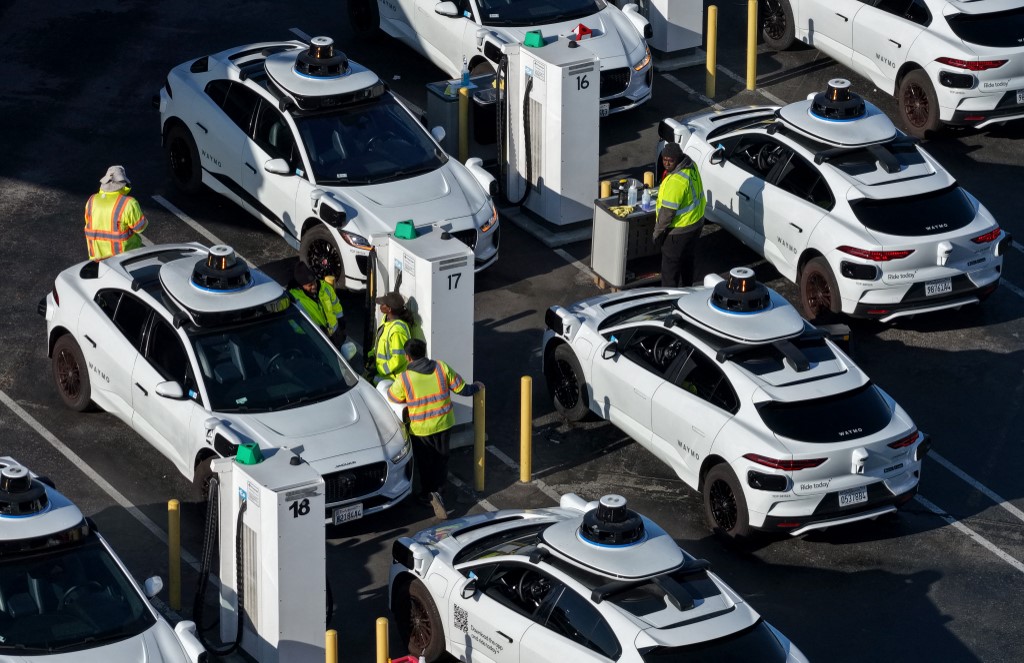
The United Nations has adopted the first global regulations for fully autonomous vehicles, setting uniform safety requirements that could support wider deployment of self-driving cars across major markets.
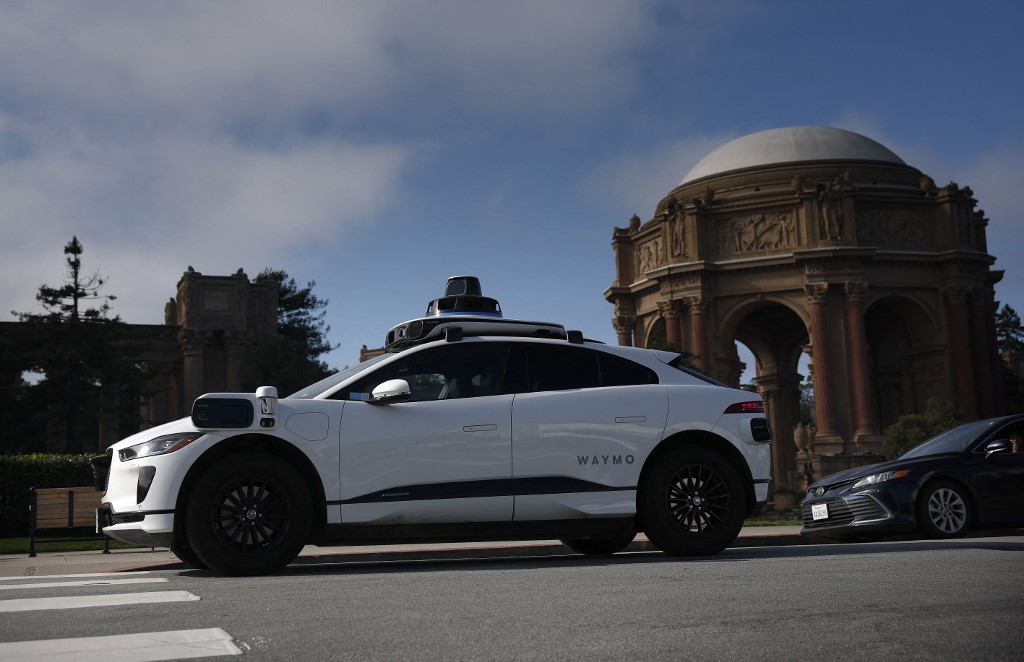
The rules were adopted Wednesday in Geneva by the World Forum for Harmonisation of Vehicle Regulations under the UN Economic Commission for Europe. The framework covers vehicles equipped with fully autonomous driving systems, or ADS, but does not cover assisted driving features.
The move comes as robotaxi services expand in China and the United States, where private fleets more than doubled in 2025 to 8,000 vehicles across more than two dozen major cities. The International Energy Agency expects 700,000 to three million robotaxis to operate in 40 to 80 major cities by 2035.
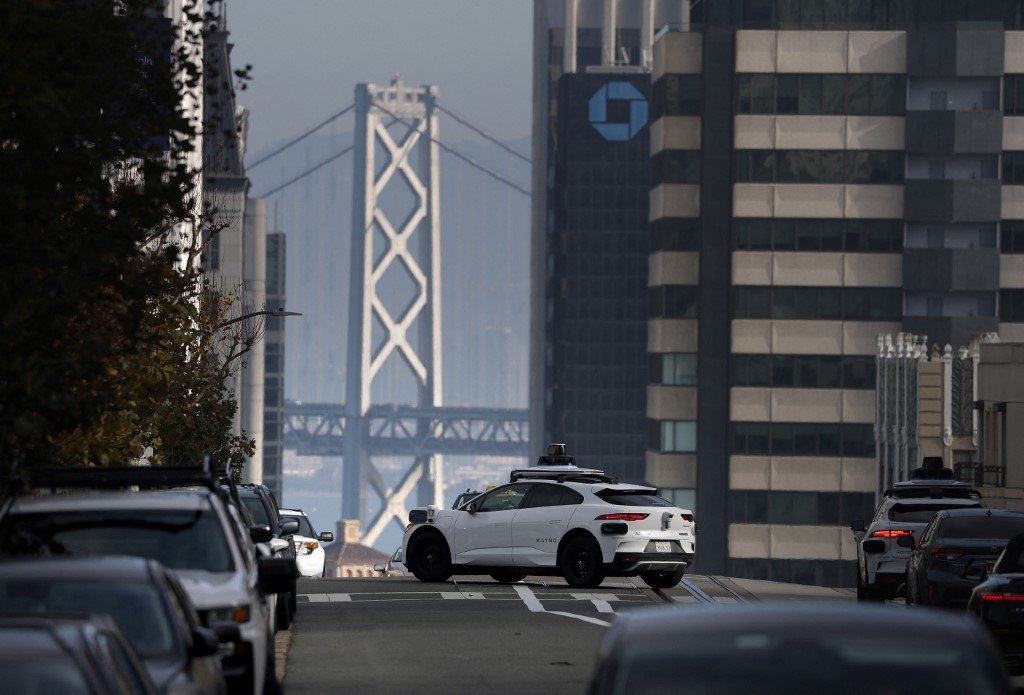
UNECE said the framework aims to build trust among governments, manufacturers and the public by requiring automated systems to meet strict safety standards. Richard Damm, chair of the UNECE Working Party on Automated/Autonomous and Connected Vehicles, called the adoption a major step for future road technology.

Under the new framework, manufacturers must show that testing meets strict credibility standards. They must also maintain audited safety governance throughout the ADS lifecycle, provide evidence that their systems pose no unreasonable risk, and monitor performance continuously.
Vehicles covered by the rules must also record and store safety-relevant ADS data.
UNECE said the framework was backed by major auto markets, including the United States, China, the European Union, Japan and Britain. Officials expect the rules to enter into force in January 2027, with some manufacturers already preparing for compliance.
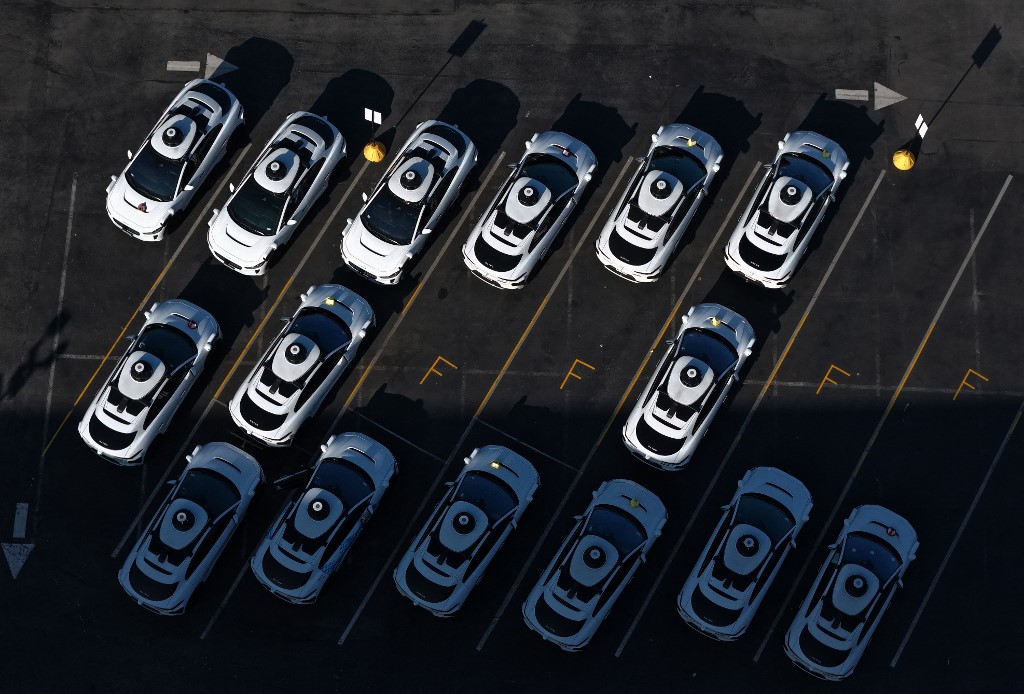
The rules were adopted through two separate international agreements. More than half of the 62 parties to a 1958 agreement voted unanimously to implement the regulations, allowing autonomous vehicles produced in one member country to be sold in others without further controls.
The United States, Canada and China, which are not part of that agreement, joined 10 other countries in adding the same rules to a 1998 agreement. That agreement does not provide automatic mutual recognition between countries.
Damm said bringing major markets into the framework did not weaken the safety requirements.
“This regulation is not a compromise on safety,” he said.
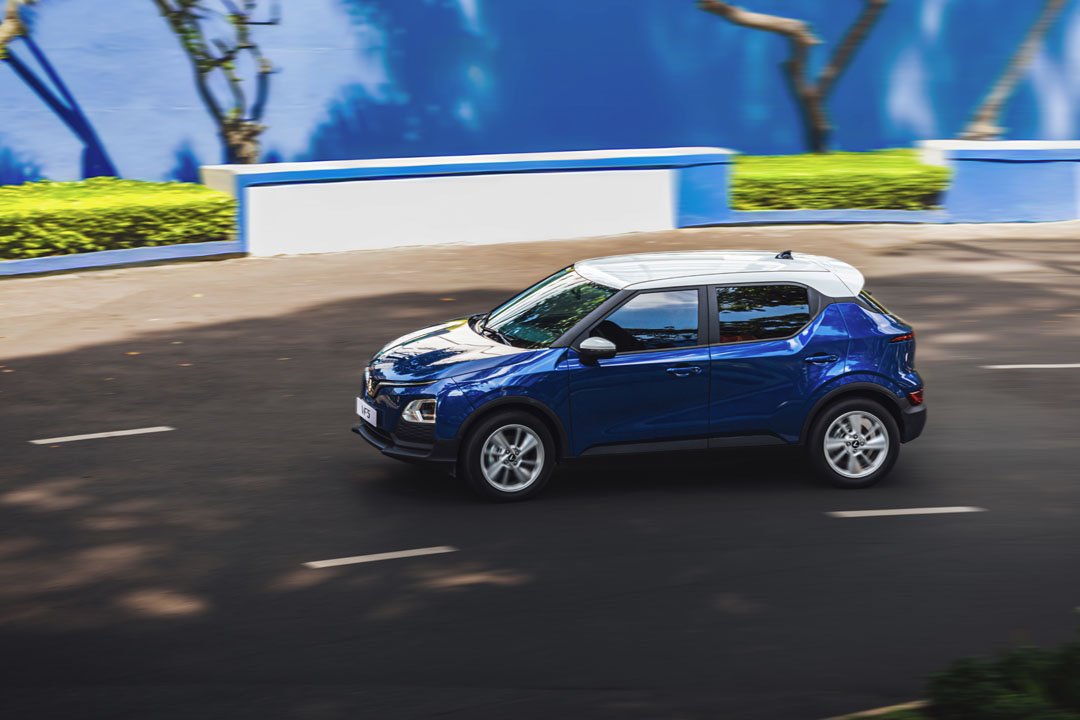
VF 5 Opens EV Earnings Route
VinFast is positioning the VF 5 as both a daily electric vehicle and a possible income tool through its Rentapasada program, which gives transport service drivers a lower-cost way to enter ride-hailing operations.
The VF 5 is a five-seat, all-electric A-segment SUV aimed at buyers watching not only the purchase price, but also long-term running costs. Fuel, maintenance and daily operating expenses can influence ownership costs over several years, especially for motorists who drive often.
Metro Manila owner Carlo Santos said he compared the VF 5 with gasoline-powered crossovers before buying the EV. He said the difference became clearer after he calculated fuel and maintenance expenses.
Based on VinFast’s example, a gasoline crossover consuming around 6.8 liters per 100 kilometers would use about 68 liters of fuel for 1,000 kilometers of monthly driving. At a Metro Manila gasoline price of P87.25 per liter as of 9 June 2026, that would cost close to P6,000 a month. VinFast said the VF 5’s energy costs may be more than 50 percent lower for the same distance.
The savings could be bigger for transport service drivers. A driver covering around 200 kilometers a day with the same gasoline consumption rate would use roughly 408 liters of fuel each month, equal to about P35,600 in fuel costs alone at the cited pump price.
VinFast is tying that advantage to Rentapasada, a rental program designed to help Filipinos join the ride-hailing and transport service sector through Green GSM’s platform. The VF 5 is one of two models available under the program, alongside the seven-seater Limo Green.
Rental rates start at P1,000 per day, allowing drivers to operate without the large upfront cost usually required for vehicle ownership. Drivers who meet qualifying ride targets may also receive free charging at V-Green charging stations, which can further reduce daily operating costs.
The program offers a fixed five-year contract, with an option to extend for another three years. VinFast said this gives drivers a more predictable setup for building a long-term source of income.
The VF 5 is powered by a 100 kW electric motor and offers up to 326 kilometers of range. It also comes with six airbags, seven advanced driver assistance features, 16 smart functions, blind spot monitoring and rear cross-traffic alert. The vehicle is covered by a seven-year warranty, while the battery has a 10-year warranty.
With Rentapasada, VinFast is pitching the VF 5 beyond private use. The EV can serve as a family car, commuter vehicle or income-generating unit for drivers looking to lower fuel expenses while entering the transport service market.
BYD deploys first Sealion 5 DM-i taxi fleet
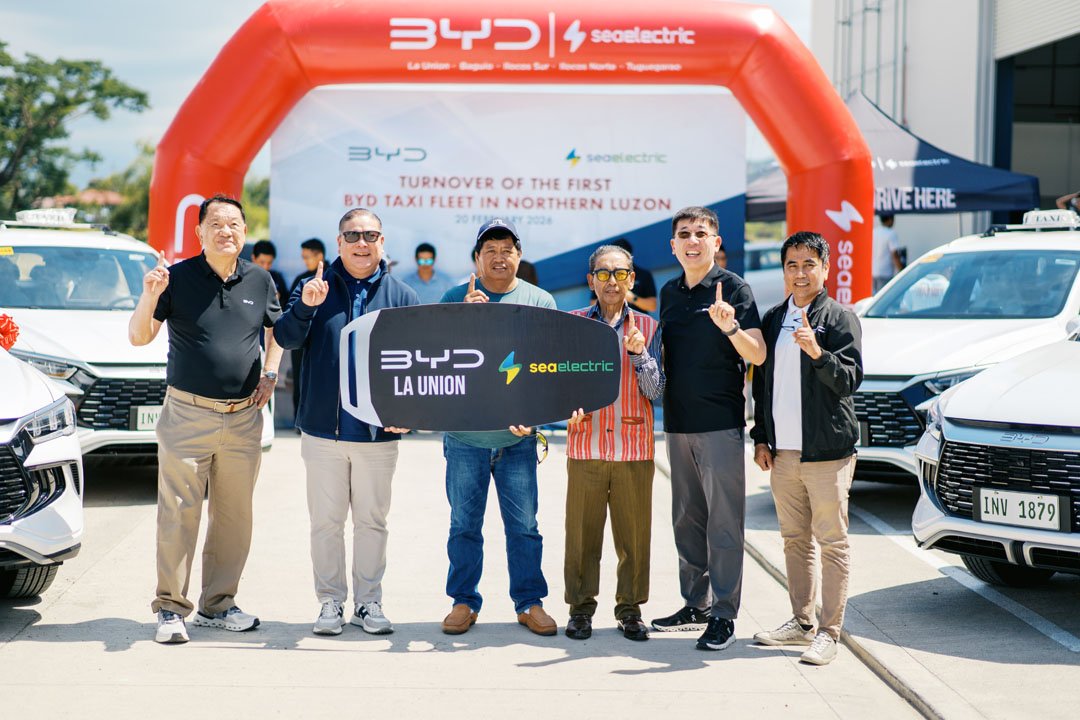
BYD Cars Philippines has rolled out the country’s first Sealion 5 DM-i taxi fleet through the deployment of 20 units to Highland Transport Service Cooperative in Northern Luzon.
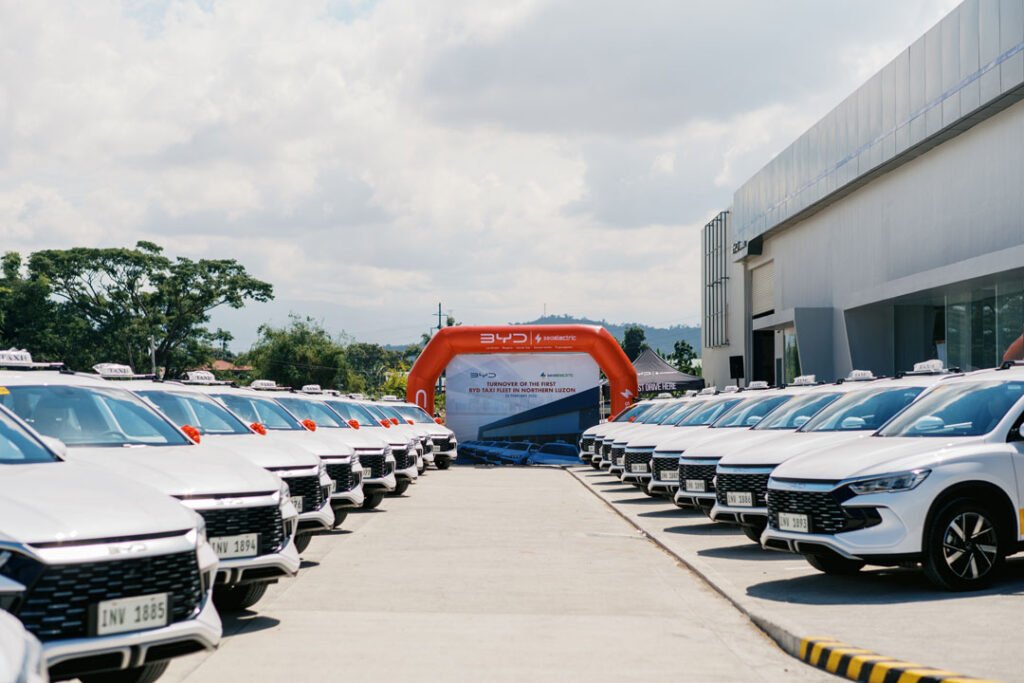
The fleet was launched in La Trinidad, Benguet with dealer partner SEAelectric, supporting HTSC’s re-fleeting program for transport services in the Cordillera region.
The Sealion 5 DM-i units will be used for taxi operations across La Trinidad and nearby Cordillera areas, where operators face varied terrain and daily passenger demand. The plug-in hybrid SUV uses BYD’s Super DM-i technology, which is designed to deliver electric-first driving, extended range and lower fuel consumption.
BYD Cars Philippines said the deployment aims to reduce operating costs for drivers while giving passengers a quieter and more comfortable ride. The company also positions the fleet as part of its broader push for cleaner and more efficient mobility solutions suited to local transport operators.
Bob Palanca, managing director of BYD Cars Philippines, said the Sealion 5 DM-i fleet shows how the model can serve operators beyond city use, especially in areas such as Benguet where road and terrain conditions differ from urban routes.
The handover gathered representatives from BYD Cars Philippines, SEAelectric and HTSC. Present during the event were Joel Sevilla, general manager of BYD La Union; Palanca; Pastor Joel Tabingan, vice chairman of HTSC; Marwin Cabading, chairman of HTSC; Glenn Yu, chief executive officer of SEAelectric Philippines and dealer of BYD Baguio; and Francis Yu, chairman of SEAOIL and dealer principal of SEAelectric Philippines.
BYD Cars Philippines is the local distributor of BYD passenger vehicles under ACMobility, the mobility arm of Ayala Corporation. The brand currently operates through 81 authorized dealerships in key locations nationwide, including Quezon Avenue, Makati, Bonifacio Global City, Greenfield Mandaluyong, Cebu, Davao, Pampanga, Fairview, Commonwealth, Alabang, Cagayan de Oro and Bacolod.
ACMobility also distributes Kia, operates select dealerships for BYD, Kia and Isuzu, and has entered the luxury electric vehicle segment through DENZA. The company has also expanded its electric vehicle charging network to more than 200 locations nationwide.








Pingback: Cordillera Cab - ridenetwork.ph
Pingback: Driver’s Seat Deal - ridenetwork.ph