Commentary
FOTON Expands Electric Fleet


FOTON Philippines introduced two new electric commercial vehicles at the inaugural Philippine International Truck Show (PITS), expanding its lineup to include temperature-controlled deliveries and larger cargo operations.
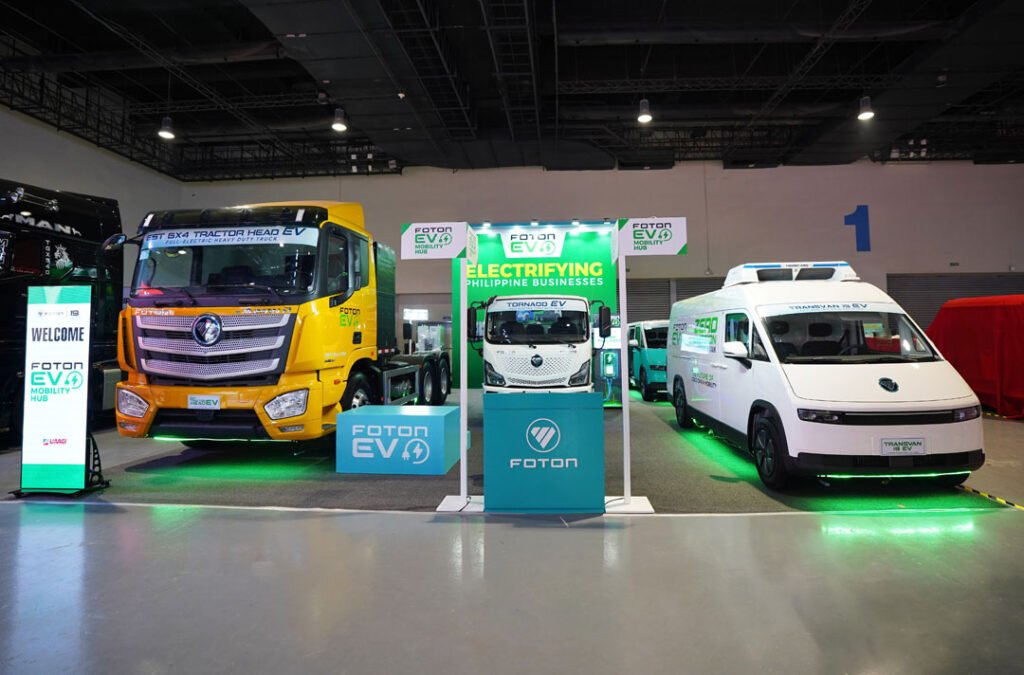
The three-day exhibition, held from October 22 to 24 at the SMX Convention Center in Pasay City, gave the commercial vehicle manufacturer an opportunity to present its electric trucks and vans alongside charging and after-sales support services.
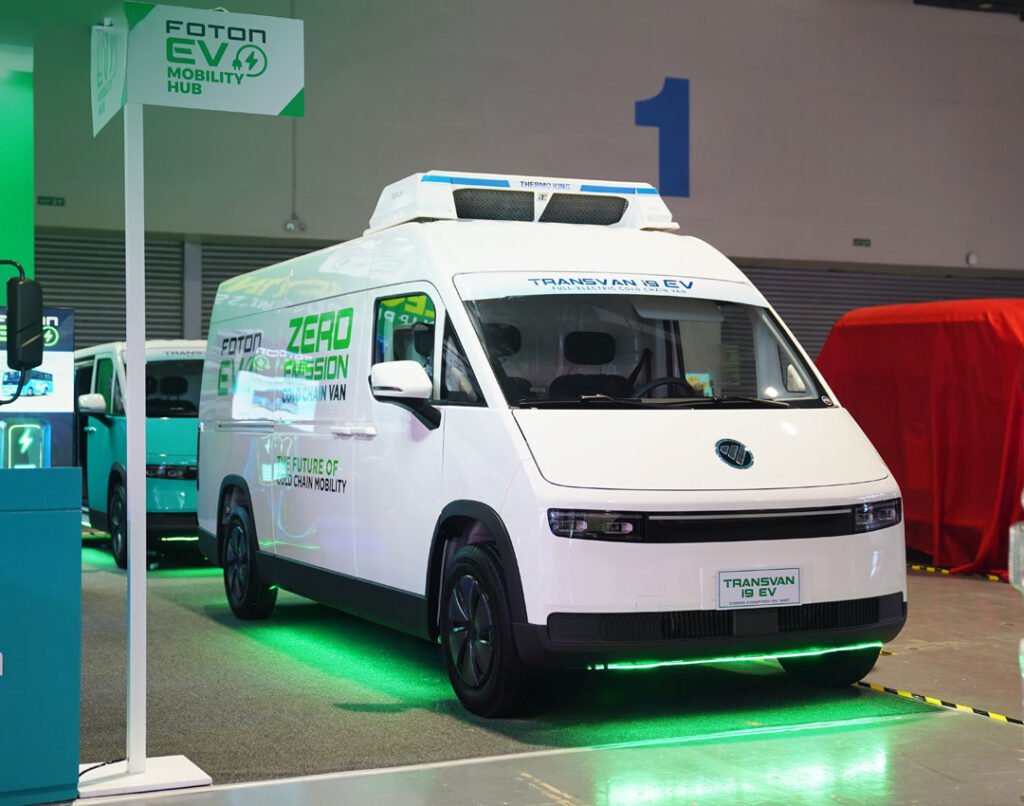
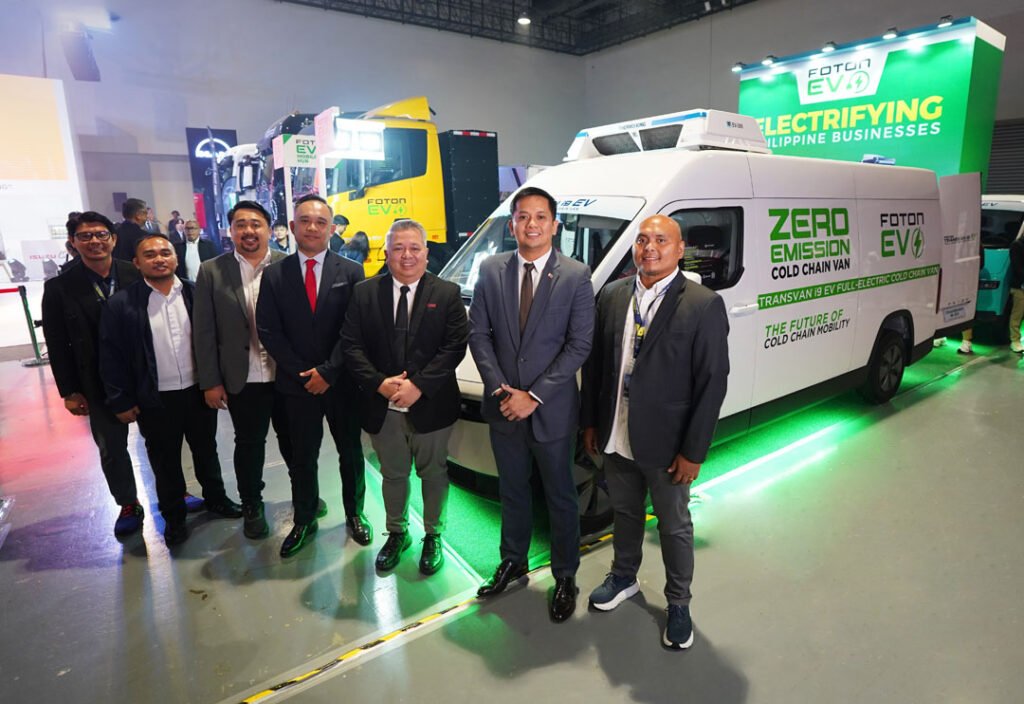
The FOTON TransVan i9 EV Cold Chain Van and Tornado 3.3 EV made their official previews at the event. Both models are intended for businesses seeking alternatives to conventional diesel-powered commercial vehicles.
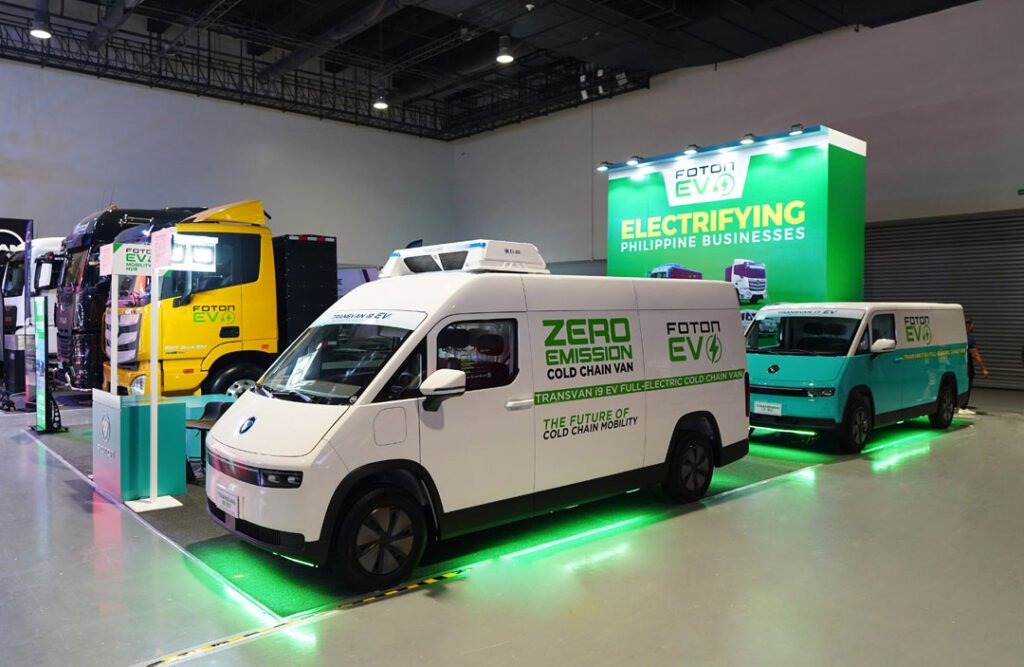
The TransVan i9 EV Cold Chain Van is designed for temperature-controlled transportation, an important requirement for companies that handle perishable goods and products that must be kept within specific temperature limits.
Potential applications include food distribution, supermarket deliveries and pharmaceutical logistics, where temperature management is essential throughout the journey.
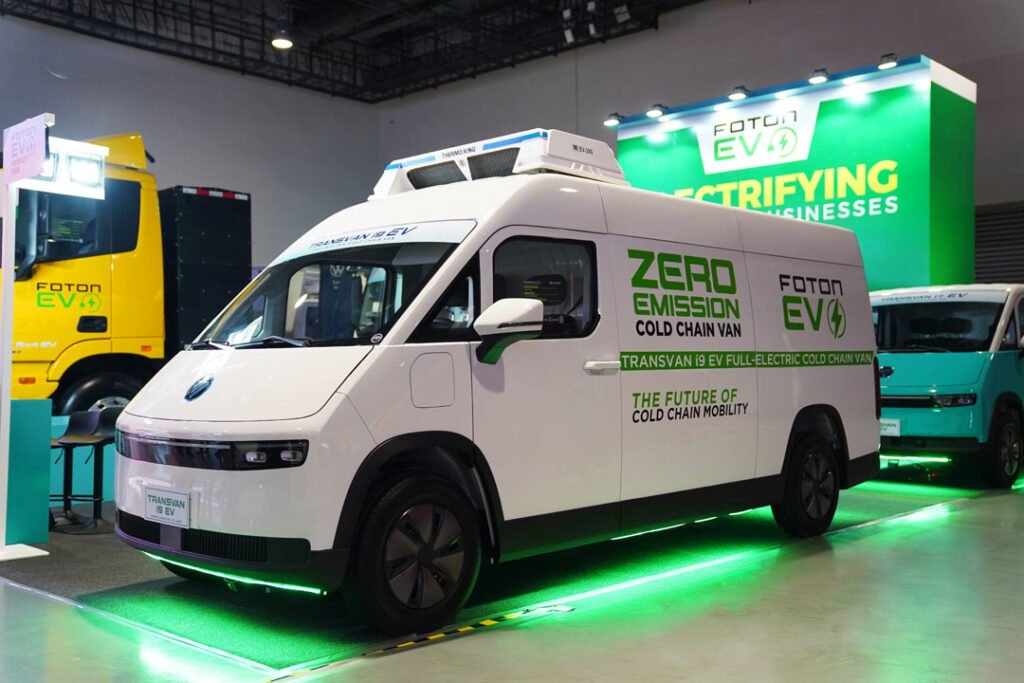
Cold-chain transportation places additional demands on commercial vehicles because refrigeration equipment must operate alongside the vehicle’s propulsion system. The electric TransVan i9 introduces another option for businesses considering the electrification of these specialized delivery operations.
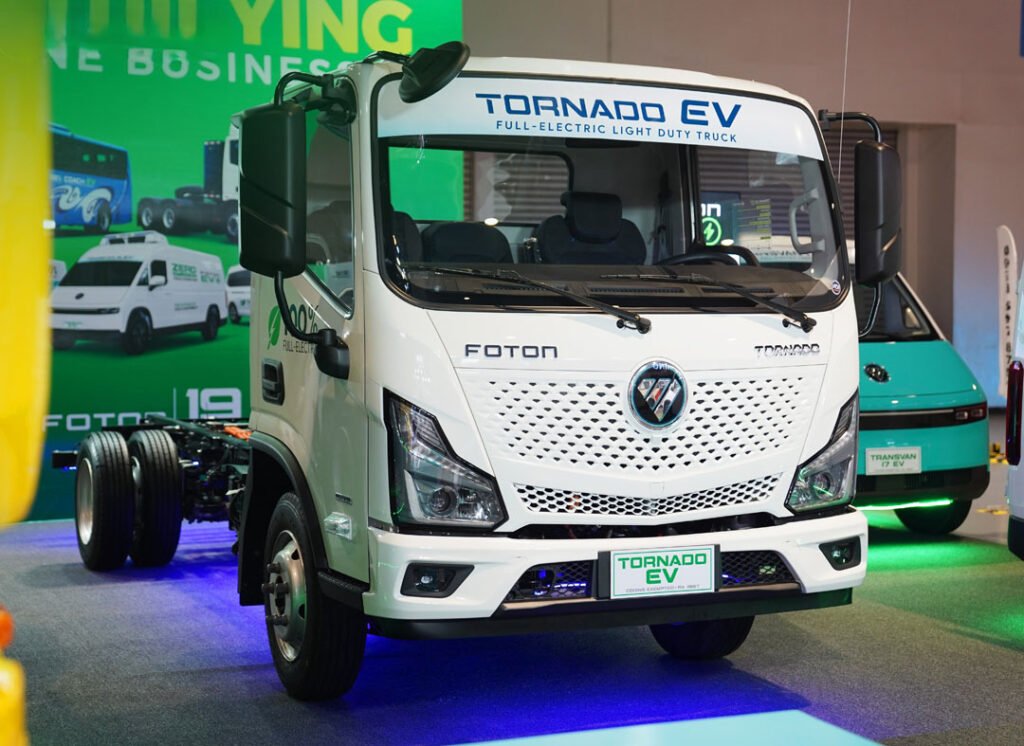
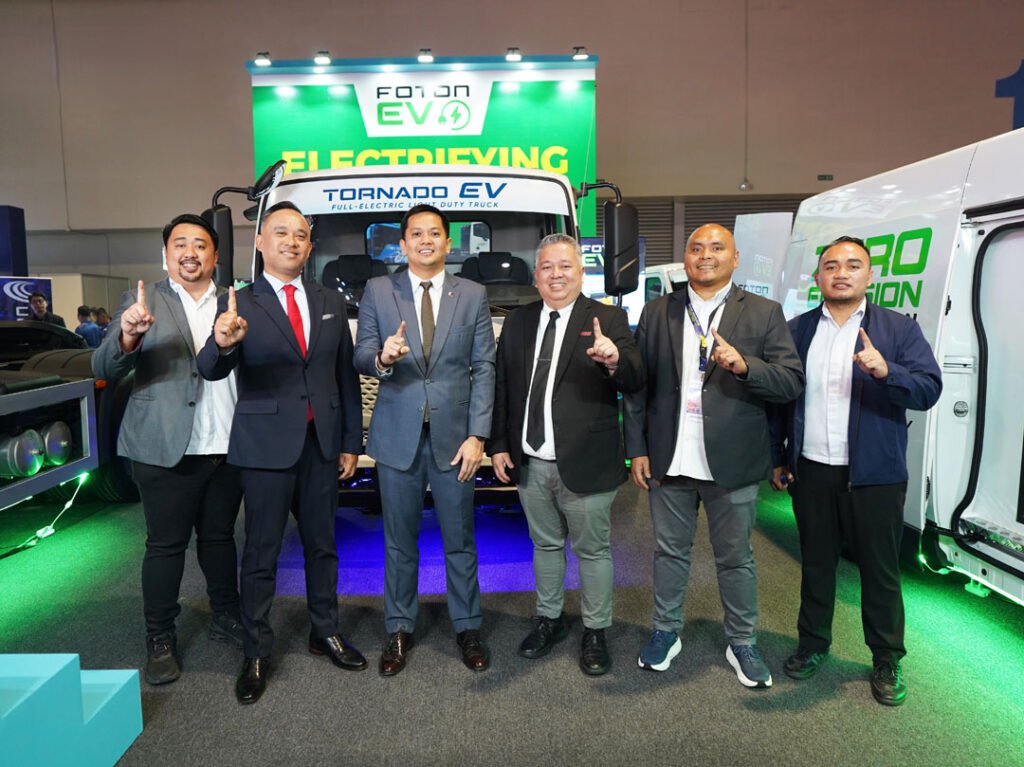
FOTON also presented the Tornado 3.3 EV, a fully electric light-duty truck intended for larger cargo loads and general delivery requirements.
The model is designed for logistics providers, distributors and businesses that need greater cargo-carrying versatility. It adds another vehicle option for operators considering electric trucks for their existing delivery routes.
The two previews expand FOTON’s commercial EV applications, particularly in sectors where vehicle requirements differ from those of conventional cargo transport.
Alongside the new models, FOTON displayed its existing electric commercial vehicles to demonstrate the range of transportation work that can be handled by battery-powered trucks and vans.
Among these was the EST 6×4 Tractor Head EV, a heavy-duty electric truck developed for hauling operations.
Its inclusion highlighted the application of electric propulsion to larger commercial vehicles, a segment traditionally associated with diesel engines because of the demands of transporting heavy loads.
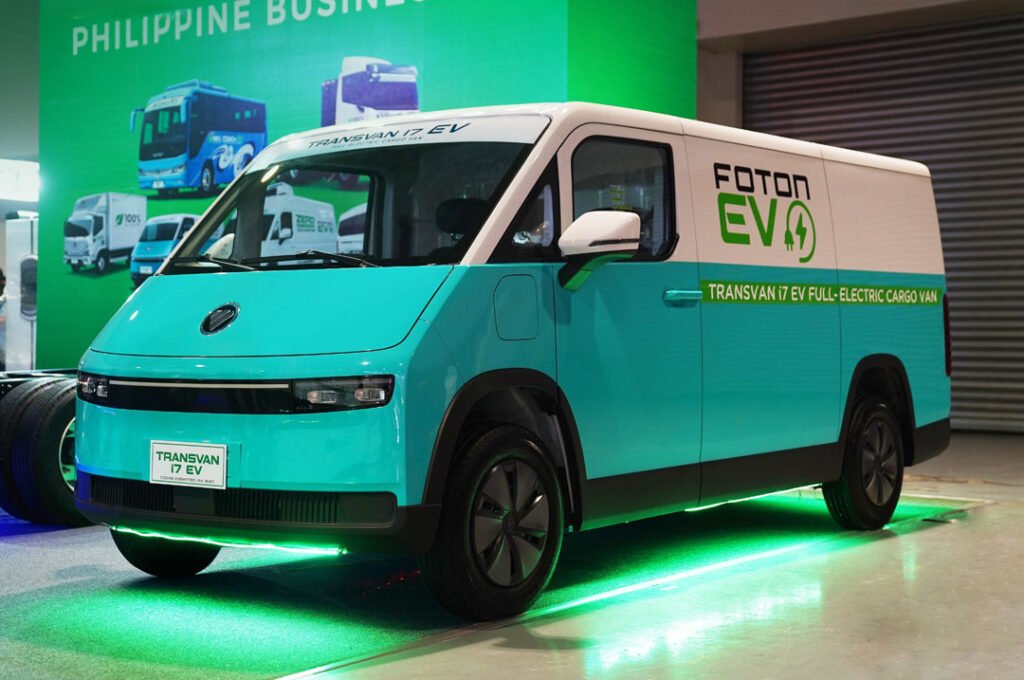
The TransVan i7 EV Cargo represented another part of the company’s electric portfolio. Designed for goods distribution and last-mile deliveries, the electric cargo van is intended for businesses with regular delivery routes and frequent urban operations.
These vehicles illustrate the different roles electric commercial vehicles can serve, from smaller cargo movements to heavy-duty transport.
FOTON also devoted part of its exhibition to the requirements of operating and maintaining an electric fleet.
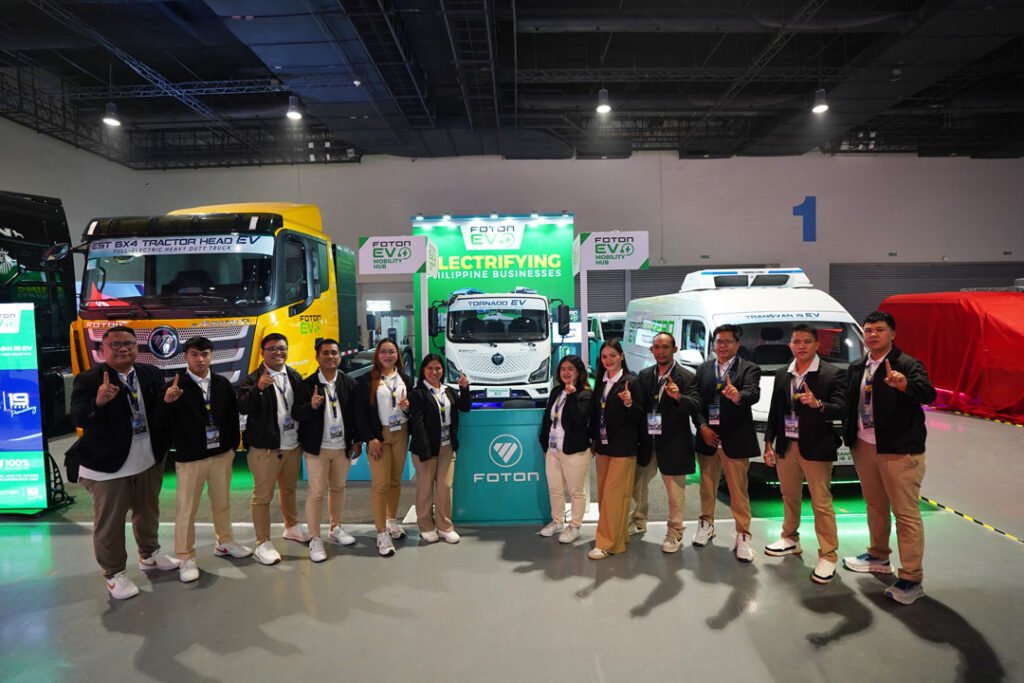
Its EV Mobility Hub presented the services that the manufacturer considers necessary to support commercial vehicle electrification.
These include charging solutions for different business requirements, after-sales services handled by EV-trained technical personnel and the availability of replacement parts.
Such considerations are important to fleet operators because the decision to acquire an electric truck or van involves more than the vehicle’s purchase price.
Charging arrangements, maintenance schedules and access to technical support can affect the daily operation of commercial fleets.
A vehicle used for regular deliveries, for example, needs charging arrangements that fit its operating schedule. Businesses must also account for service requirements and the availability of replacement components to minimize interruptions.
FOTON’s EV Mobility Hub was presented as an integrated approach to these concerns, with the manufacturer offering vehicle solutions alongside technical and ownership support.
The company aims to make electric commercial vehicles more accessible to businesses that are considering the transition from conventional fleets.
The exhibition also highlighted FOTON’s financing program for businesses planning to acquire or expand their commercial vehicle fleets.
Under its 0% Interest Deals promotion, qualified customers may obtain financing for up to 48 months on selected FOTON models.
Down payment options range from 20 to 50 percent, subject to the terms and conditions of participating financing partners.
The financing offer is intended for micro, small and medium enterprises, logistics providers and independent business owners that need commercial vehicles for their operations.
For smaller enterprises, financing arrangements can influence how much capital is available for other business requirements when purchasing a vehicle.
The program provides another acquisition option for operators seeking to replace older units or add vehicles as their transportation needs increase.
FOTON’s participation in the first PITS also reflected the growing attention being given to electric technology in the Philippine commercial vehicle sector.
While passenger electric vehicles have attracted much of the public attention surrounding electrification, commercial operators have different requirements. Vehicle capacity, operating schedules, charging access and maintenance support are important considerations when selecting trucks and vans.
The exhibition allowed FOTON to present electric models for several of these applications and explain the ownership services available to prospective fleet customers.
With the TransVan i9 EV Cold Chain Van and Tornado 3.3 EV previews, the manufacturer has broadened its range of electric commercial vehicles for the Philippine market.
The next consideration for businesses will be how these vehicles fit their operating requirements, particularly the availability of charging facilities and technical support needed to keep commercial fleets working.