

Industry News
BYD set to pass Tesla in global EV sales race

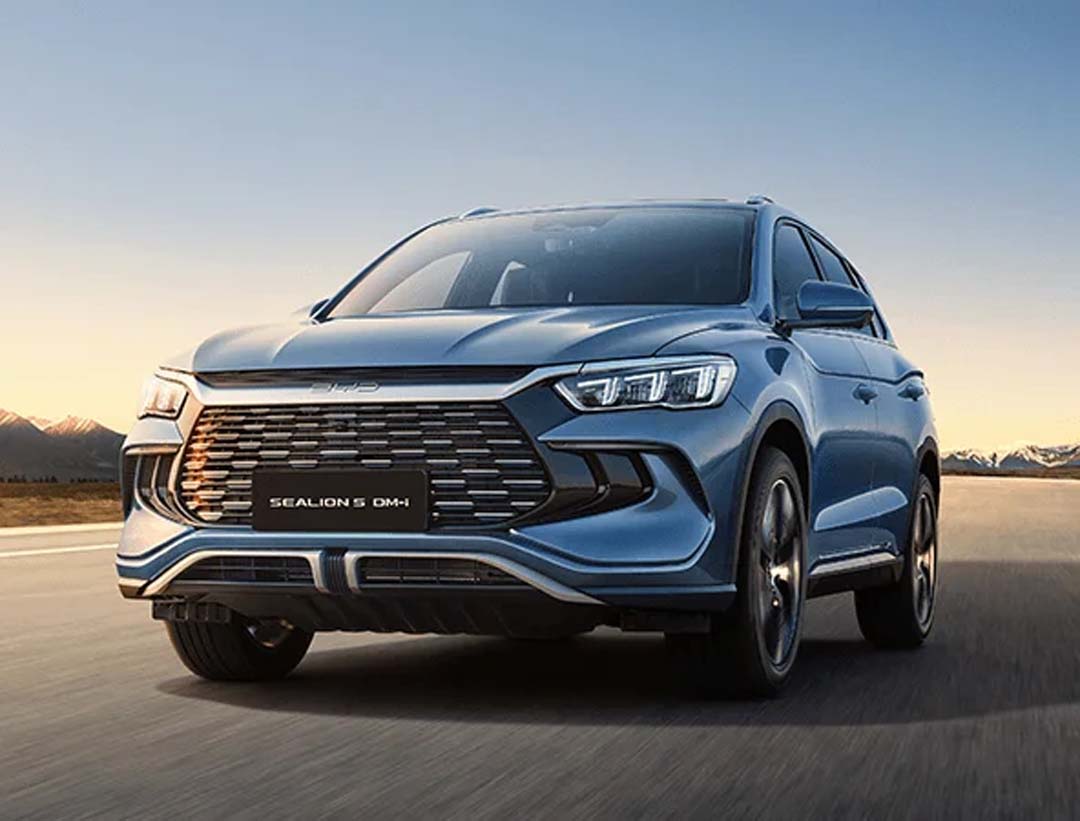
Chinese automaker BYD is on track to become the world’s largest electric vehicle seller in 2025, edging past longtime leader Tesla based on current sales figures.
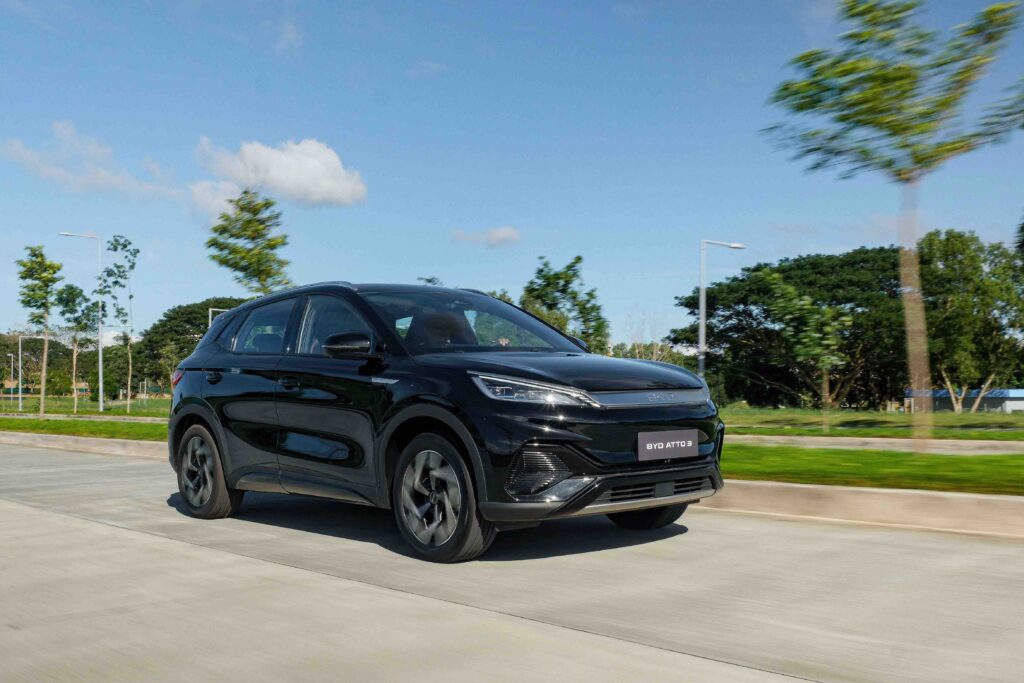
As both companies prepare to release their full-year numbers, the gap is already clear. By the end of November, BYD had sold around 2.07 million electric vehicles worldwide. That figure already exceeds what analysts expect Tesla to deliver for the entire year.
Tesla reported sales of about 1.22 million EVs by the end of September. A late surge followed ahead of the expiration of a US tax credit for electric vehicles, but forecasts suggest momentum slowed again in the final quarter. Market consensus points to Tesla finishing 2025 with roughly 1.65 million EVs sold, down from last year.
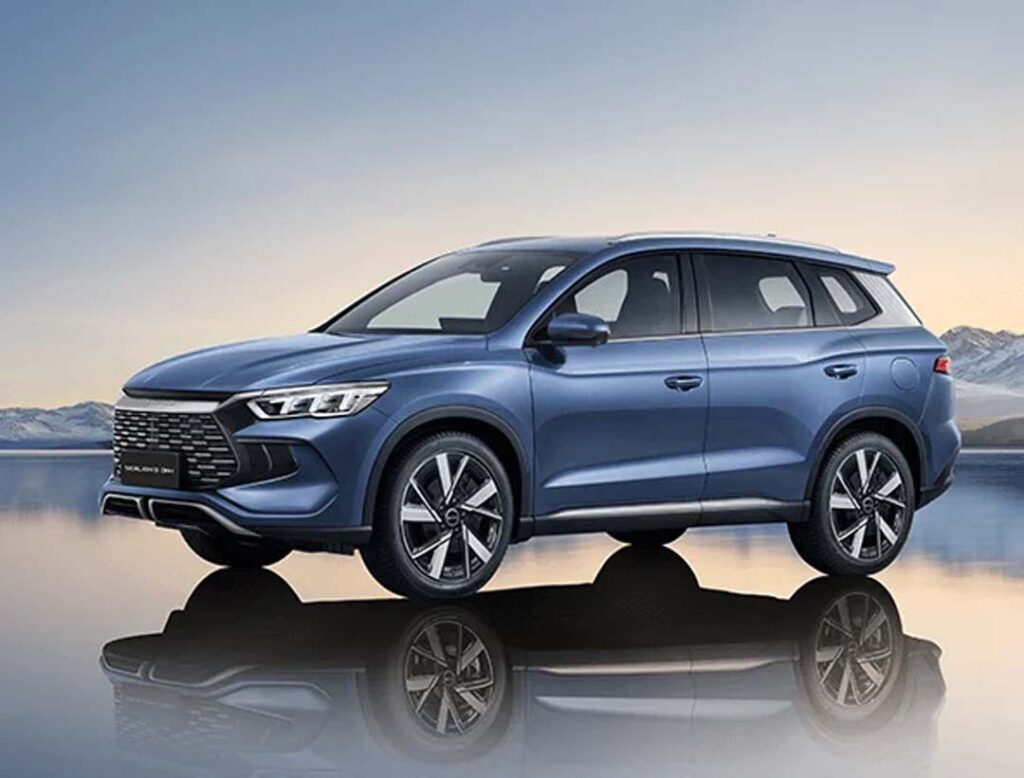
The tax credit boost came before the $7,500 incentive ended under legislation supported by US President Donald Trump. Industry analysts say the removal of incentives has created a transition period for EV demand in the United States, with buyers taking a wait-and-see approach.
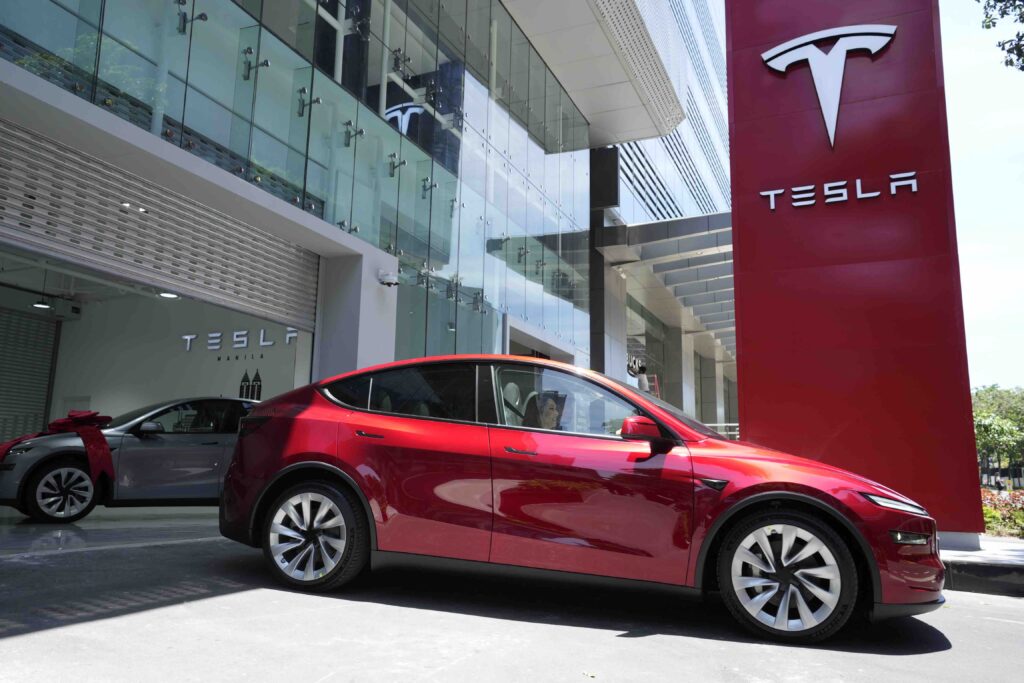
Tesla has also faced pressure in Europe and China, where competition has intensified. Deutsche Bank estimates fourth-quarter sales could fall sharply in North America and Europe, with a smaller dip in China. Some analysts say public reaction to CEO Elon Musk and his political views has also affected brand sentiment in certain markets.
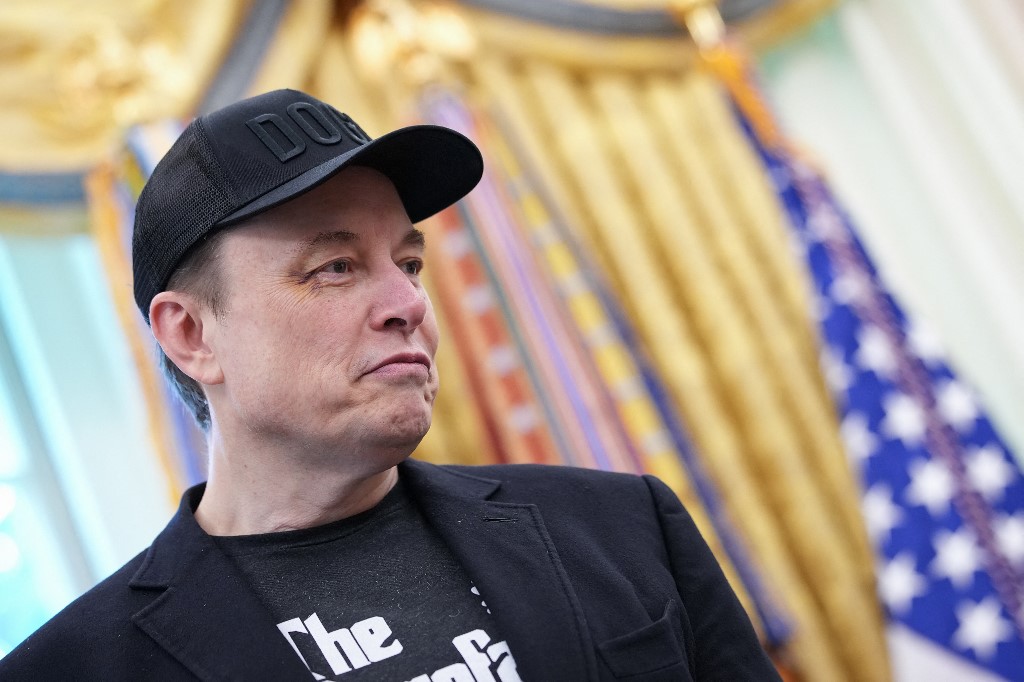
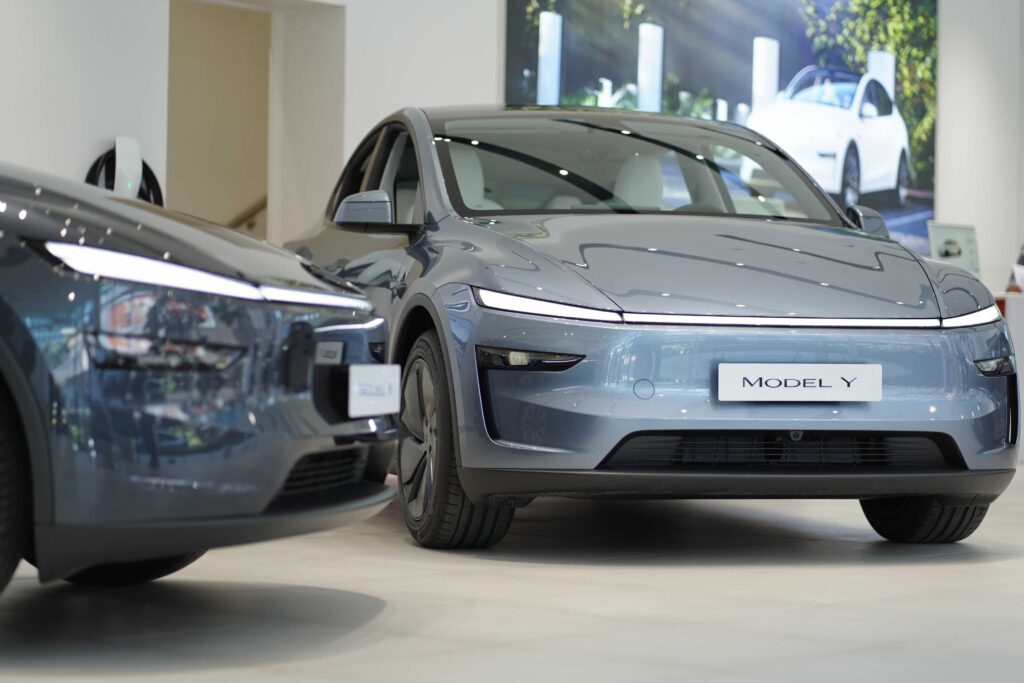
Even so, investors remain focused on Tesla’s longer-term plans. Analysts see autonomous driving as a potential growth driver, with attention already shifting to 2026. Tesla continues to develop its full self-driving technology and has announced plans to produce its Cybercab robotaxi next year. Lower-priced versions of the Model 3 and Model Y have also been introduced to support demand.
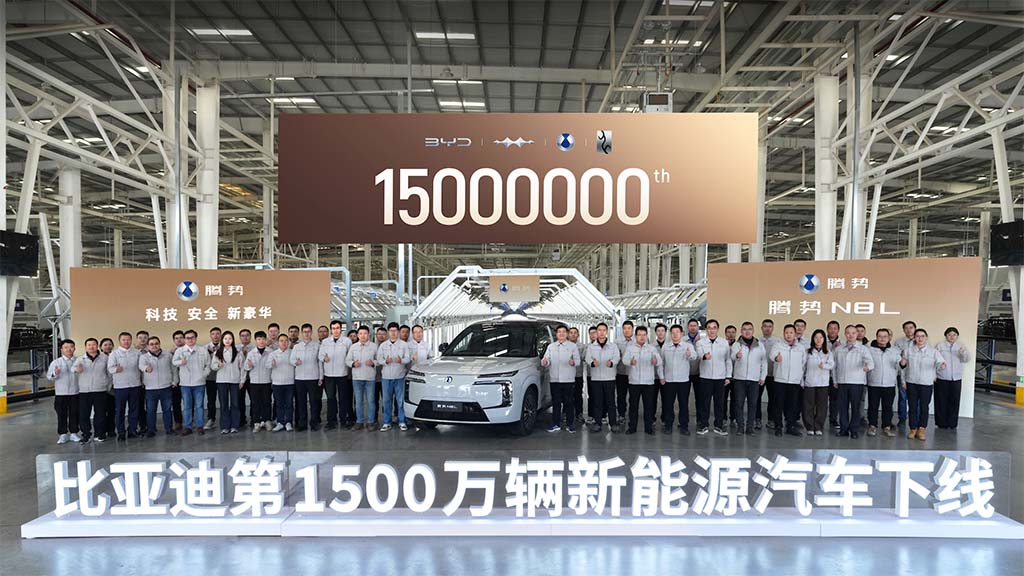
BYD, meanwhile, continues to expand at scale. The company sells both battery electric and hybrid vehicles and has built a strong presence beyond China. While competition and price pressure remain intense in its home market, BYD has pushed into overseas production to support global growth.
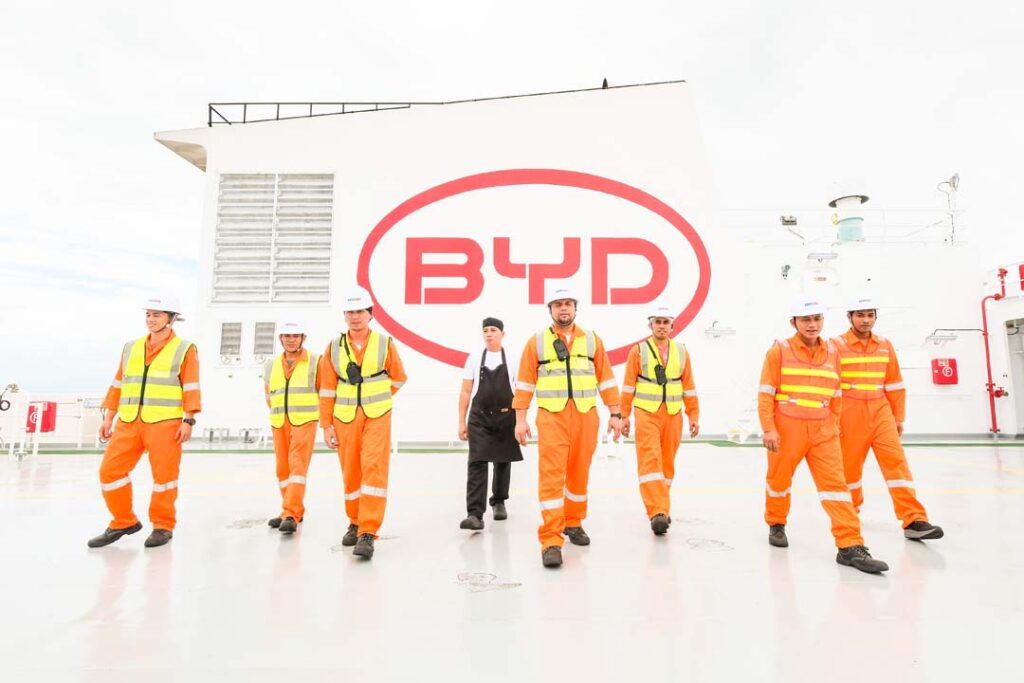
According to Fitch Ratings, BYD’s early move to establish factories and supply chains outside China could help it manage rising trade barriers. While the United States has imposed steep tariffs on Chinese EVs, Europe has taken a different approach. BYD is already building manufacturing capacity in Hungary as part of its European expansion.
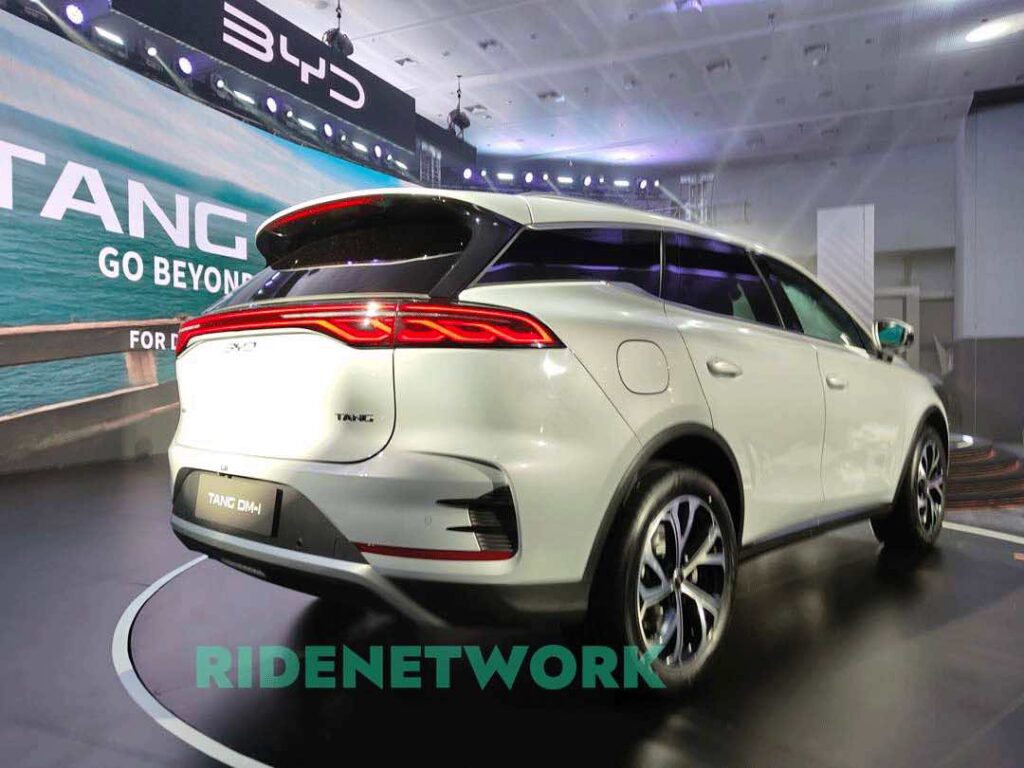
Tariffs introduced under former US President Joe Biden and the prospect of higher duties under Trump have complicated the global EV market. Despite this, BYD’s sales pace suggests it has found ways to keep growing.
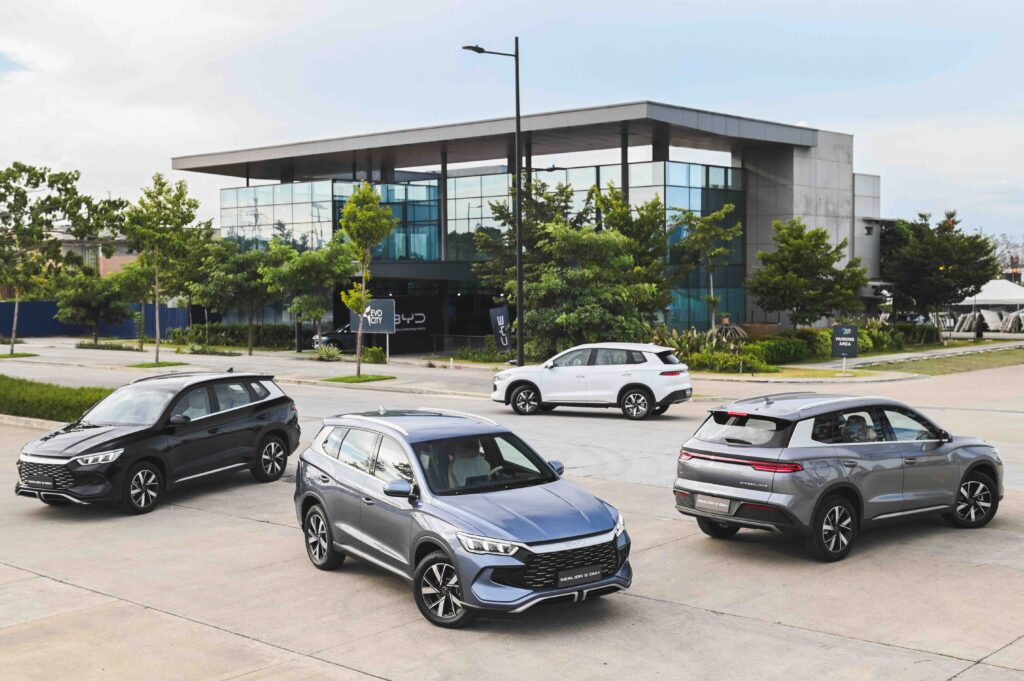
As 2025 closes, the global EV landscape looks different from just a few years ago. Tesla still holds strong brand recognition and future technology bets. BYD, however, now leads on volume and reach, signaling a shift in who sets the pace in electric mobility.


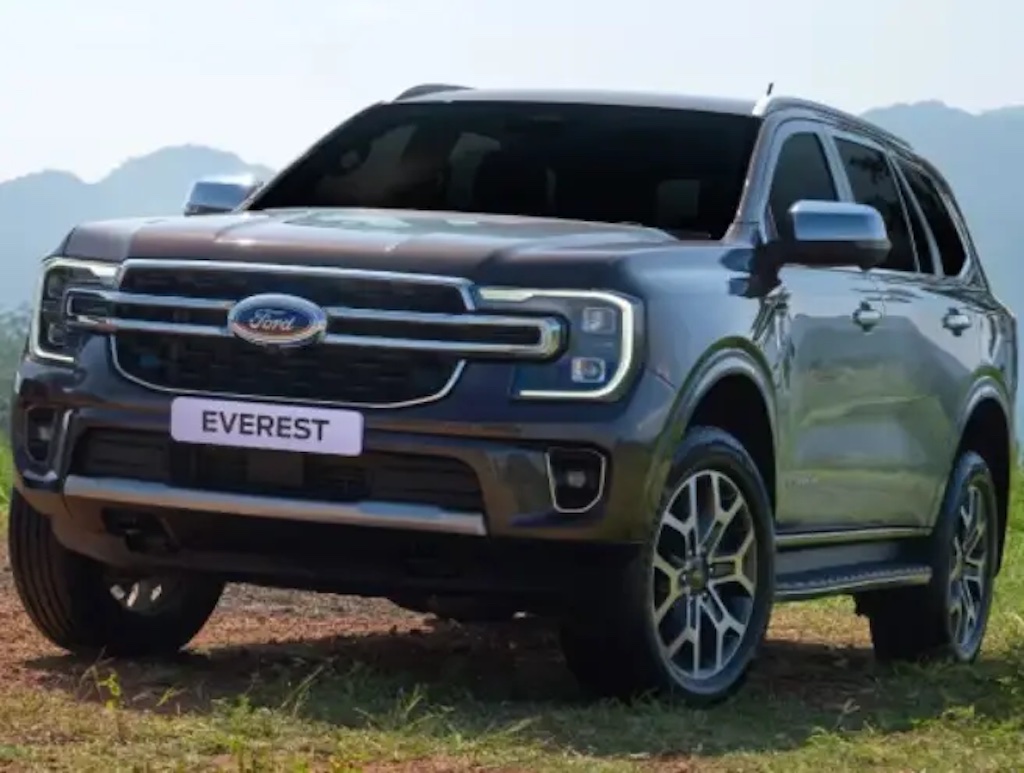
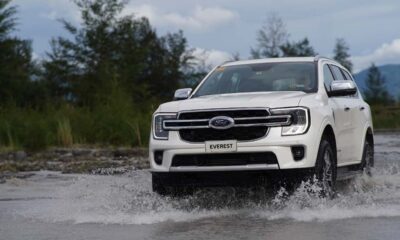
Ford Philippines secured two major segment wins in 2025, with the Ford Everest leading the 4×4 midsize SUV class and the Ford Mustang topping the sports car category, based on data from the Chamber of Automotive Manufacturers of the Philippines.
Ford Everest
The Everest Titanium+ 4×4 claimed the top spot in the 4×4 midsize SUV segment, taking a 40 percent market share in 2025.
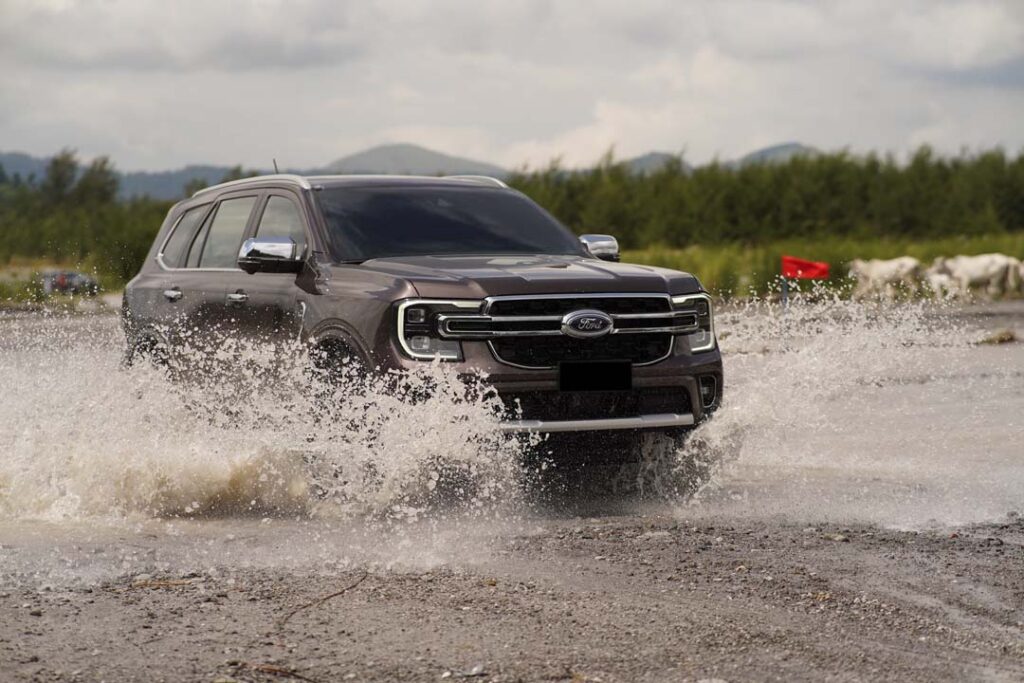
Ford positions the Everest as a blend of durability and comfort. The Titanium+ 4×4 variant comes with a terrain management system that offers six drive modes: Normal, Eco, Tow Haul, Slippery, Mud/Ruts, and Sand. Drivers can switch modes through a Drive Mode Selector, while an electronic shifter supports optimized performance across varying road conditions.
Safety and driver-assist technologies are standard across the lineup. These include seven airbags, Adaptive Cruise Control with Stop and Go and Lane Centering, Lane Keeping System with Road Edge Detection, Forward Collision Warning, Evasive Steer Assist, and Reverse Brake Assist.
Ford Philippines said customer feedback played a key role in shaping the latest Everest, which targets buyers who need a vehicle that can handle rough terrain without sacrificing daily comfort.
Ford Mustang
In the sports car segment, the Mustang held the number one position with a 32 percent market share in 2025.
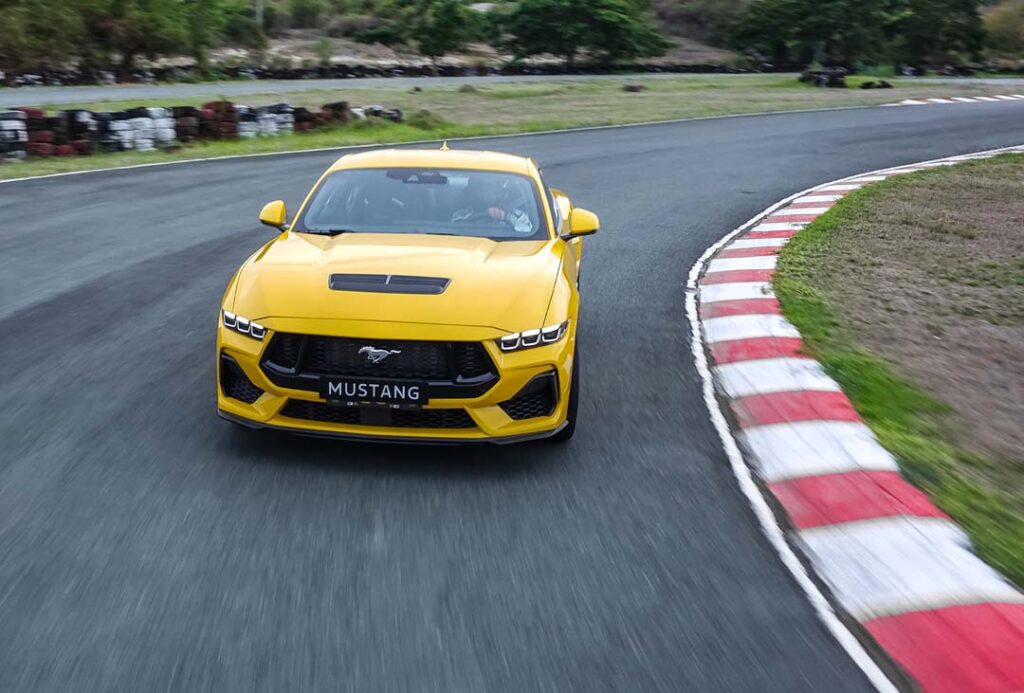
Ford Philippines introduced the seventh-generation Mustang in 2024. The model is available locally in two variants: the 5.0L GT Premium Fastback and the 2.3L EcoBoost Premium Fastback.
Both variants now come with the MagneRide damping system. The setup adjusts suspension performance to balance ride comfort and handling. The Mustang also features Brembo brakes, a quad chrome tip exhaust with active valve functionality, and 19-inch aluminum wheels with distinct designs per variant.
Inside, the sports coupe gets RECARO leather-trimmed sport seats and soft-touch materials. The GT Premium Fastback runs on a 5.0-liter Ti-VCT V8 engine paired with a 10-speed SelectShift automatic transmission. It produces 493 PS and 567 Nm of torque. The EcoBoost Premium Fastback uses a 2.3-liter EcoBoost engine, also mated to a 10-speed SelectShift automatic, delivering 319 PS and 475 Nm of torque.
Pedro Simoes, managing director of Ford Philippines, said the performance of both nameplates reflects strong customer demand in their respective segments.
With the Everest leading among 4×4 midsize SUVs and the Mustang maintaining its hold on the sports car market, Ford Philippines closes 2025 with two category leaders in its lineup.
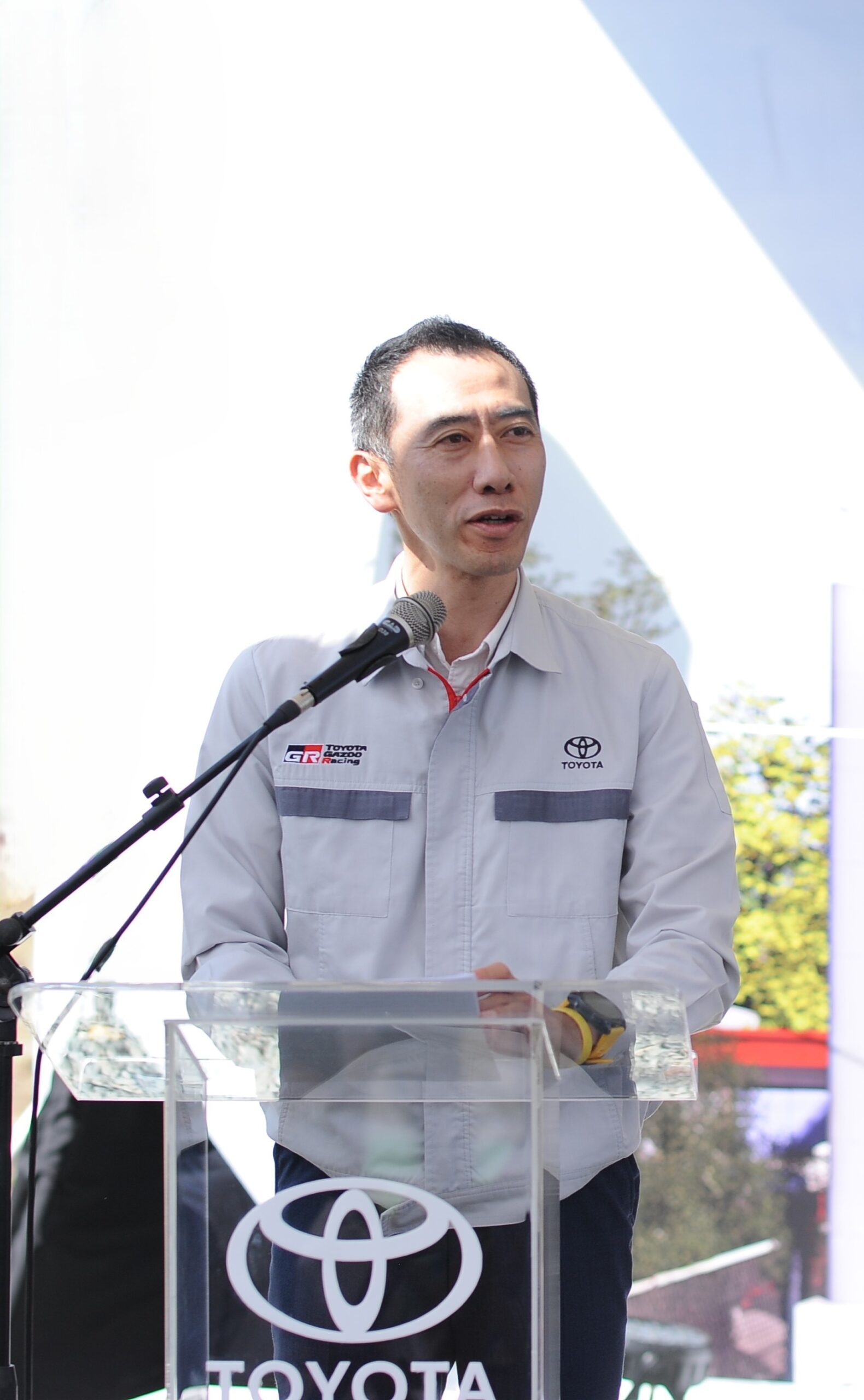
Toyota Motor Philippines has started work on a new dealership in Antipolo City, adding another service hub for customers east of Metro Manila. The project is being developed with Toyota Taytay, Rizal Inc. and is set to strengthen Toyota’s footprint in one of the country’s fastest growing cities.
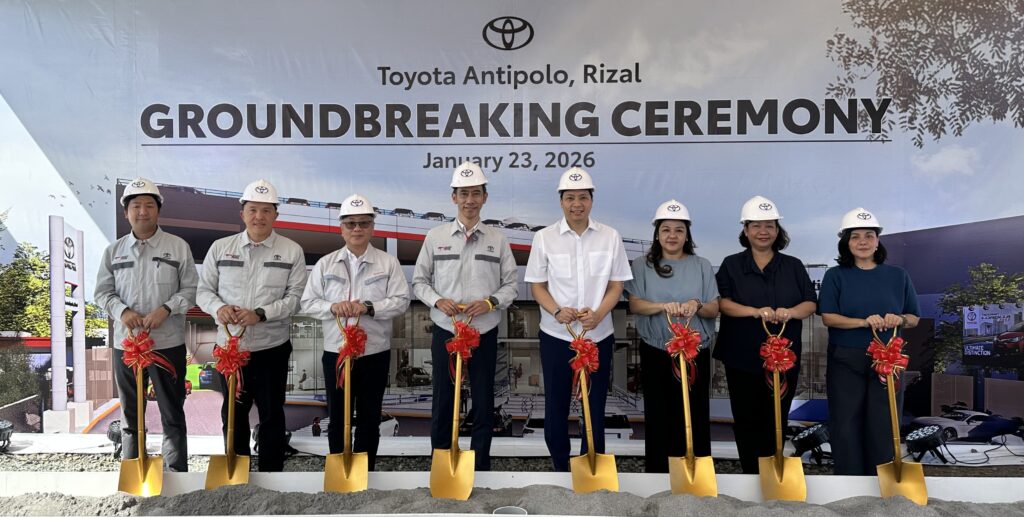
The upcoming Toyota Antipolo, Rizal facility will rise along L. Sumulong Memorial Circle in Barangay San Jose. Designed as a full-service dealership, it aims to give local motorists easier access to sales and aftersales support without the long drive into Metro Manila.
Once completed, the dealership will cover a total floor area of 12,160 square meters across three floors and a mezzanine. It will feature a modern showroom that can display up to seven vehicles and a service area with 37 bays. Customers can expect express maintenance, periodic servicing, body and paint work, and general repairs under one roof.
Toyota Motor Philippines president Masando Hashimoto said the Antipolo site has long been part of the company’s hopes for network expansion. He shared that the new dealership will help Toyota serve customers in Rizal with greater convenience as the area continues to grow.
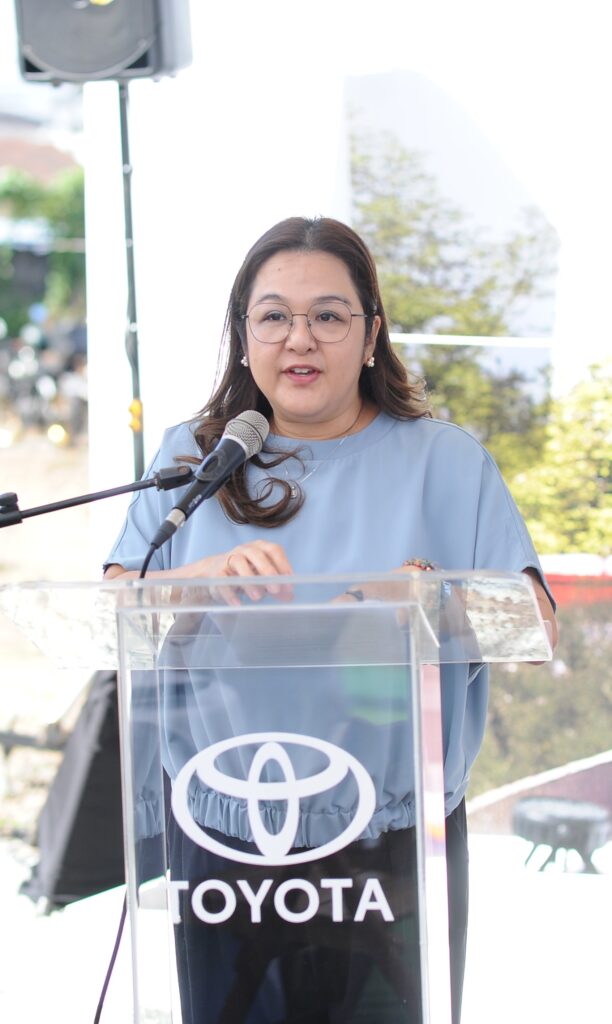
Toyota Antipolo, Rizal president Zellyn Lim Diaz highlighted the local impact of the project. She said the dealership will create jobs during construction and provide long-term employment once operations begin, while also supporting skills development and stable livelihoods for families in the area.
Antipolo City has seen steady growth driven by retail, real estate, tourism, and small businesses. Its close link to Metro Manila through major roads like Marcos Highway and Ortigas Avenue Extension has made mobility support an essential part of daily life. Toyota’s latest expansion places its services closer to motorists who rely on these routes every day.

ACMobility is heading into 2026 to make electric vehicle charging easier, faster, and more reliable for everyday Filipino driving. After a year of steady expansion, Ayala’s mobility arm says its focus remains simple. Build charging solutions that work in real life, not just on paper.

Over the past year, the company doubled down on its “Charge Anywhere, Drive Anywhere” direction. The idea covers every scenario an EV driver might face, from charging safely at home, plugging in at public hubs, calling for mobile charging when there is no station nearby, or managing everything through one app.

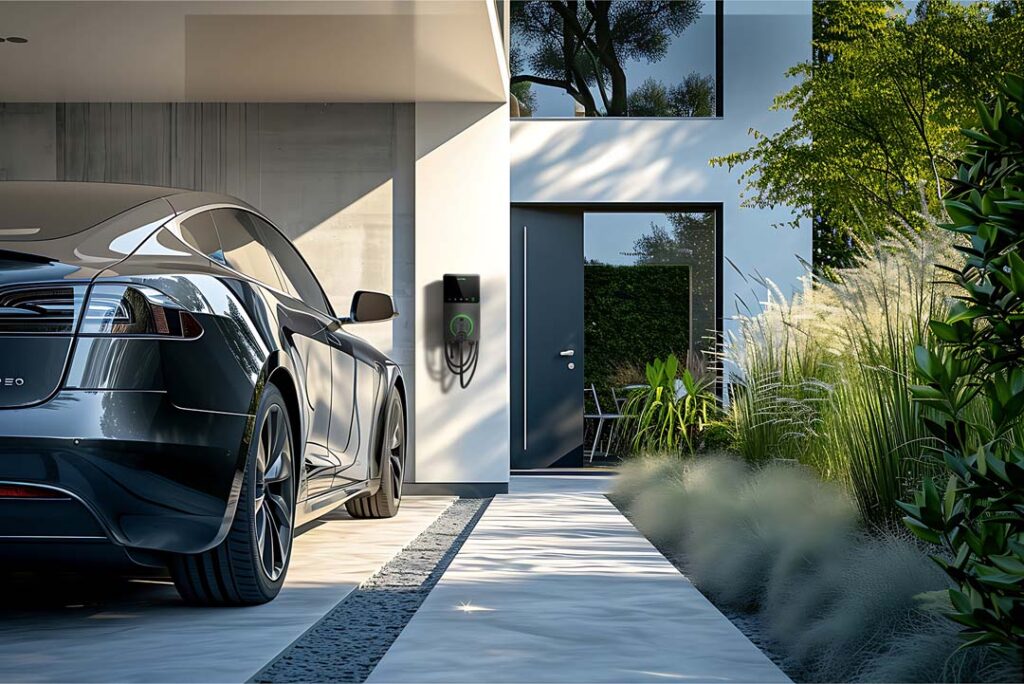
At home, ACMobility continues to roll out charger installations through Greenstrum. On the road, its growing network of EV Charging Hubs now stretches across key routes nationwide. For drivers who need power wherever they are, Power-on-Wheels brings charging directly to them. The entire system is tied together by Evro, the group’s e-mobility app partner.

Mobile charging goes city-wide
One of the biggest developments in 2025 was the expansion of Power-on-Wheels, ACMobility’s mobile EV charging service. What started in parts of Makati, Mandaluyong, and Taguig now covers the entire National Capital Region, including Pateros.

The mobile units are equipped with 120kW DC fast chargers that support CCS2 and GB/T plugs, allowing both battery electric vehicles and select plug-in hybrids to charge quickly. In some cases, drivers can gain up to 30 percent charge in as little as 10 minutes.

Power-on-Wheels also added Emergency Charging Assistance. This service supports EVs with very low battery levels by providing on-site charging of up to 20 percent, along with 12-volt battery boosting when needed. Requests can be made through a dedicated hotline, with trained technicians deployed across Metro Manila.
Smarter charging through the app
Charging access also became easier digitally. In 2025, Evro recorded strong growth, adding around 33,000 new registrations and reaching more than 18,000 monthly active users.
The app now features a Station Finder that maps more than 340 Department of Energy registered charging locations nationwide. A MyCharge Planner helps drivers estimate how much charging they need based on their vehicle and target battery level. Payment options have also expanded, with GCash integration and in-app charge vouchers giving users more flexibility.
ACMobility says platform reliability and clearer station visibility will remain priorities as the charging network continues to grow in 2026.
Building the Philippine EV Spine
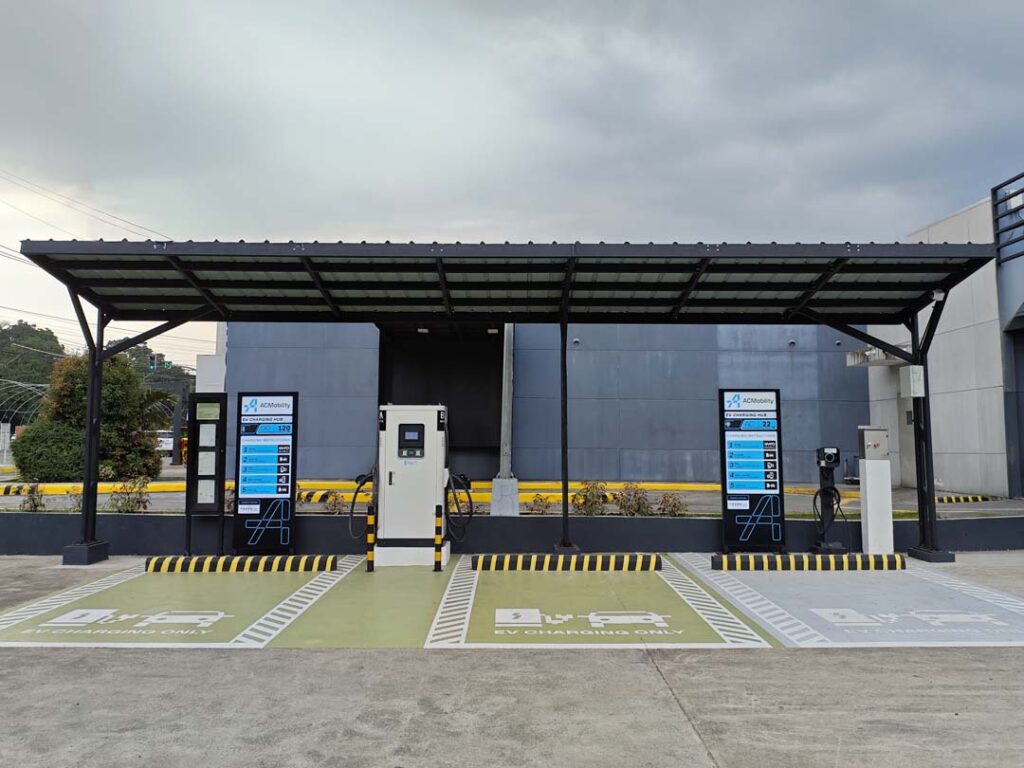
Beyond the cities, ACMobility continues to push forward with its Philippine EV Spine project. The initiative aims to place charging infrastructure along major routes across Luzon, Visayas, and Mindanao, making long-distance EV travel more practical.

By working with fuel stations, destinations, and transport hubs, the company is gradually filling in charging gaps outside Metro Manila. According to ACMobility, this nationwide approach is key to making EV ownership more realistic for more Filipinos.
“For electric mobility to work at scale, charging has to be reliable wherever drivers go,” said Carla Buencamino, Head of Mobility Infrastructure at ACMobility. She said the company’s 2026 plans continue to focus on reliability, emergency support, and everyday usability for EV drivers across the country.





Pingback: Quietly Premium - ridenetwork.ph