
Commentary
Why Pinoys Are Still Divided Over EVs

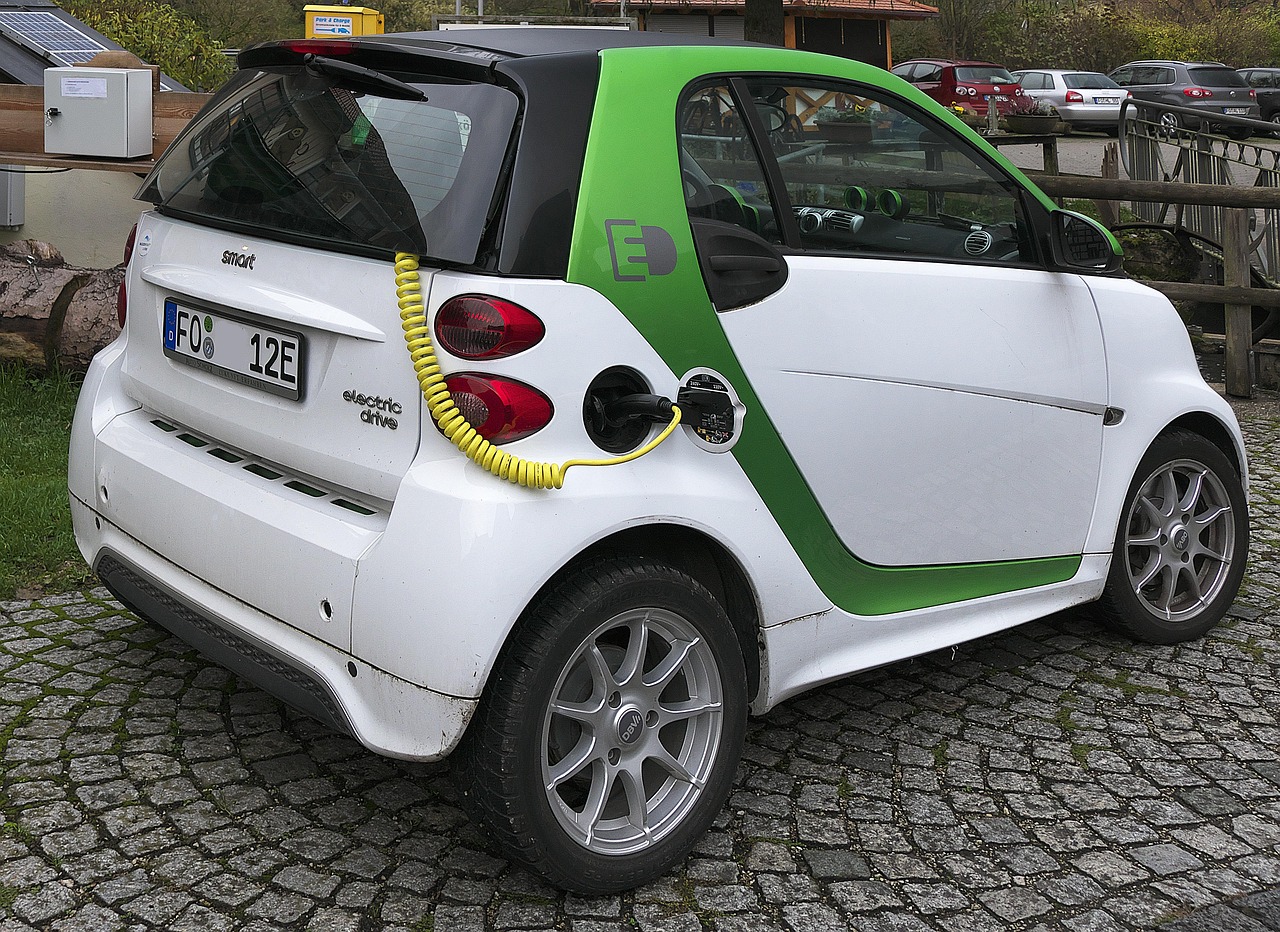
It’s 2025, and electric vehicles (EVs) are everywhere, from billboards and mall displays to facebook, TikTok and Instagram. Yet, despite growing buzz, many Filipinos still are not sold. The streets may welcome Teslas and BYDs, but in Facebook comment sections and group chat convos, many Pinoys still prefer gas-powered vehicles.
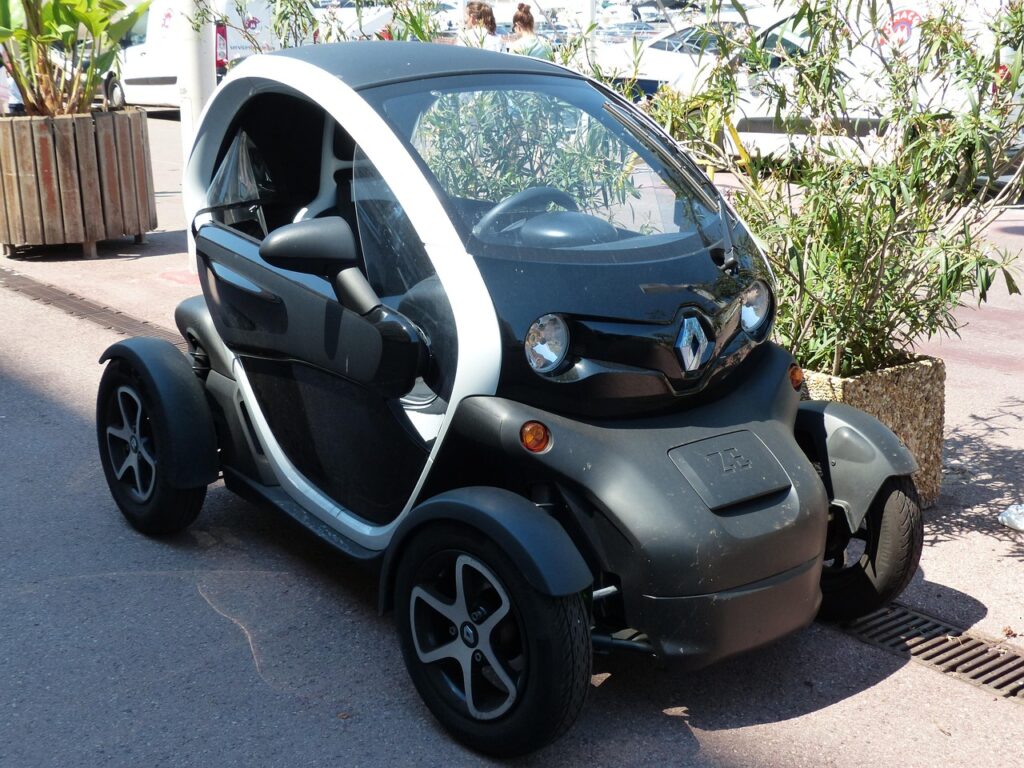
So what’s fueling this EV vs gas-powered debate?
⚡ Price Shock vs Pump Pain
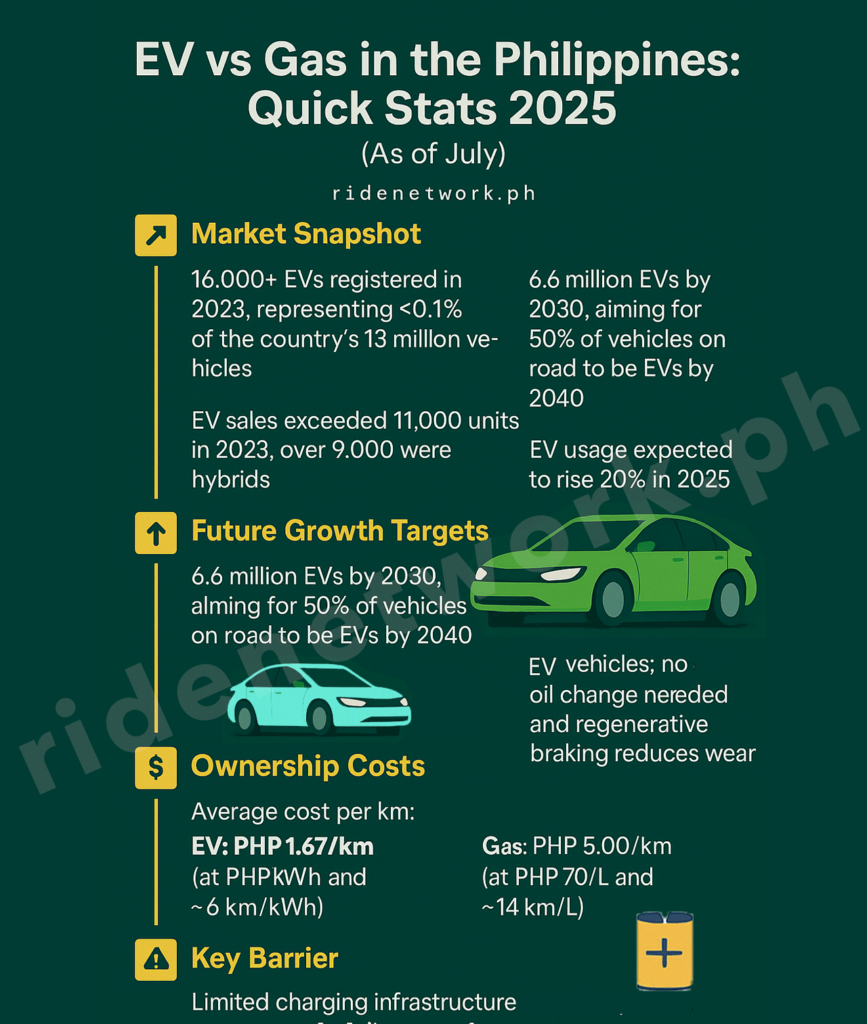
Yes, EVs promise lower running costs, but the upfront cost remains a major hurdle. A brand-new EV still costs more than a comparably sized gas car, even with government incentives.
“EVs are great if you can afford them,” said one Facebook user. “But most Pinoys are still looking for a secondhand Vios or an old Adventure.”
Meanwhile, gas prices keep rising, and that’s no small deal for daily drivers. “Fuel is getting crazy. But replacing my car for an EV I can’t charge at home? Not practical.”
🔌 Charging Dillema
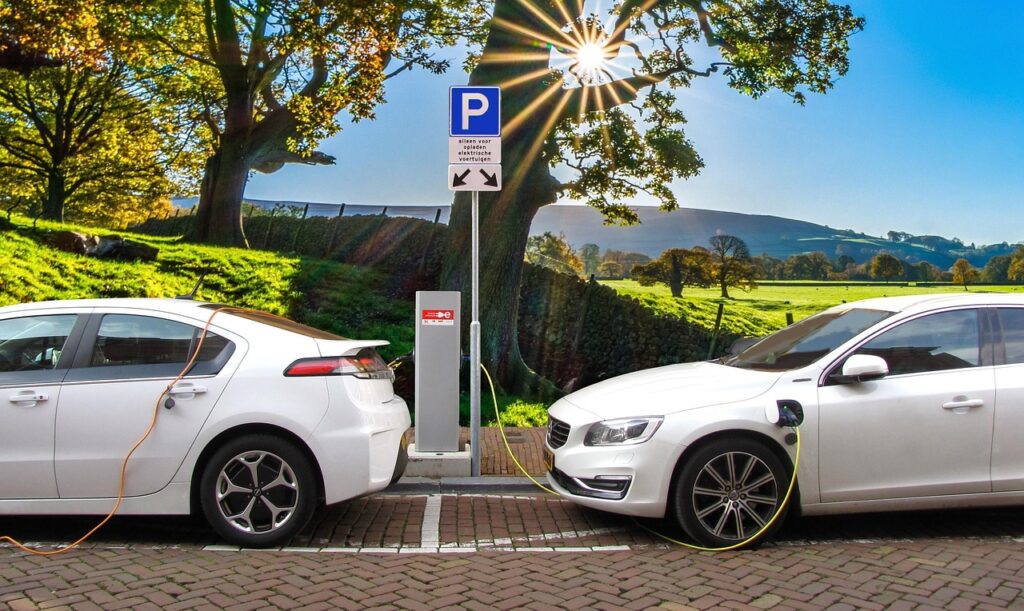
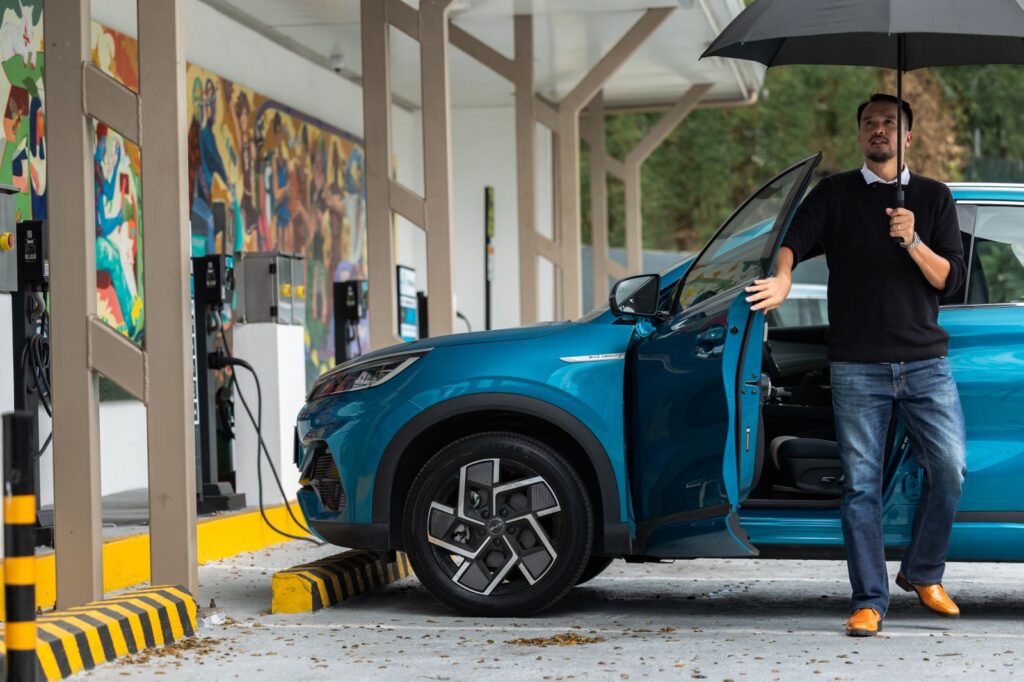
This is the biggest chokepoint, literally. While EV infrastructure is improving in Metro Manila, charging stations are still rare outside urban areas.
“Where do you charge in the far-flung areas? At your grandma’s house?” joked a viral Facebook comment.
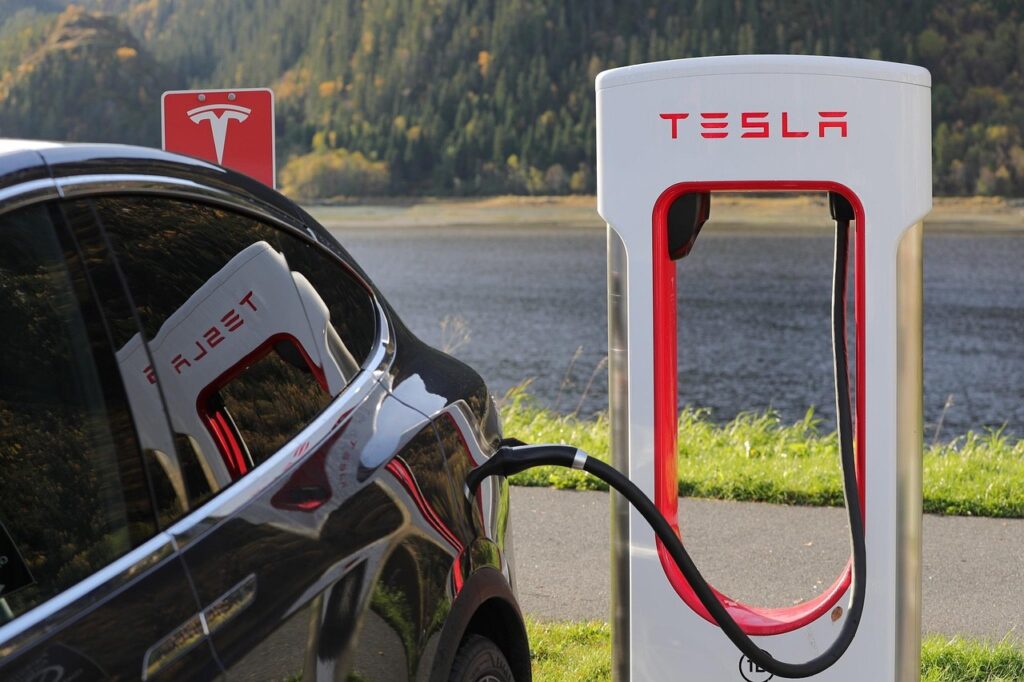
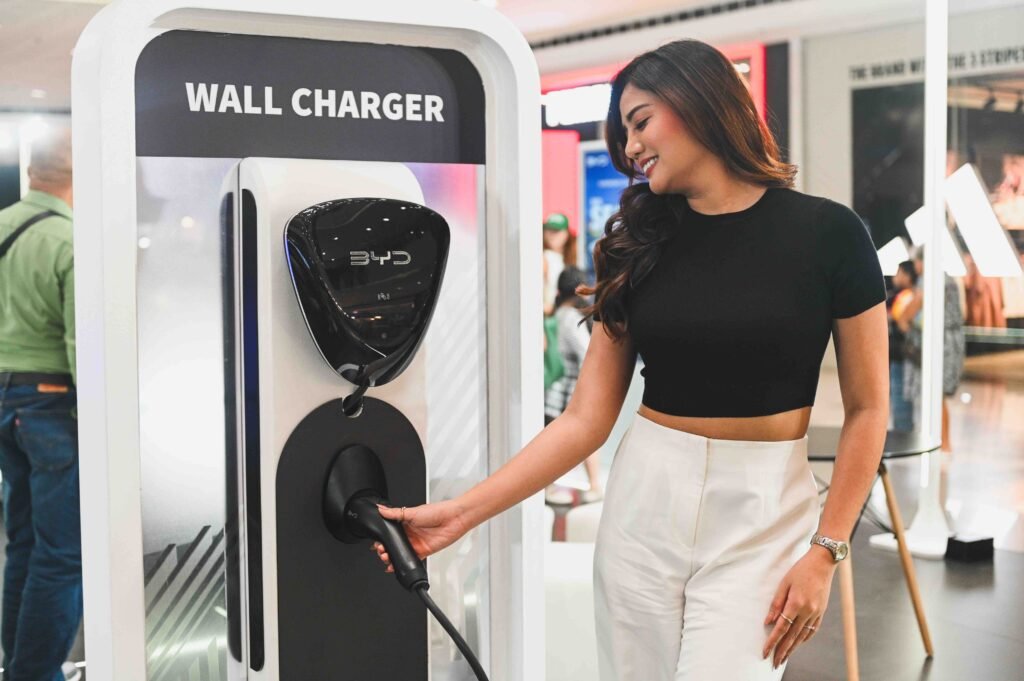
For condo dwellers or those in rented homes, installing a home charger is also a no-go. And public chargers? They’re either full, out of order, or inconveniently located in luxury malls.
🔋 Hybrid Middle Ground
Many Pinoys are leaning towards hybrids as a safer step. They’re easier to maintain, cheaper than full EVs, and don’t need charging stations.
Toyota’s continued hybrid push, with models like the Prius, Corolla Cross and Yaris Cross, has gained strong public acceptance. “Best of both worlds,” says a driver who switched from diesel to hybrid. “It’s way lower gas consumption and has no range anxiety.”
🛠️ Repair Worries & Resale Doubts
One overlooked fear is the maintenance and resale. While EVs have fewer moving parts, they still need specialized care, and right now, not every car shop or casa is equipped.
“What happens if my battery fails after five years? Where do I even buy a replacement?” said another Facebook commenter.
Secondhand EVs? Still a gray area. Battery health is tricky to measure, and a lot of buyers don’t want to gamble.
🇨🇳 The China Factor
There’s also chatter around the sudden surge of Chinese EV brands. While affordable and tech-loaded, many Pinoys remain skeptical.
“It’s like a giant cellphone,” one motoring group member posted. “Looks good now, but what happens five years from now?”
This nationalism-tinged hesitation isn’t new, but it’s flaring again as Chinese EVs continue to undercut traditional brands.
🚘 Bottom Line: EV-curious but Cautious
Most Filipinos want to believe in EVs, but infrastructure, affordability, and long-term trust are still major roadblocks.
So while EV adoption is growing, the gas vs electric debate is far from over. For now, hybrids, efficient gas cars, and good old practicality continue to rule our roads.
At the end of the day, choosing between an EV or a gas-powered car all depends on what works best for your lifestyle, location, and budget. Both have their strengths, and both come with real challenges. What matters most is being informed and knowing what you’re getting into. So what’s your take? Are you sticking with gas, switching to EV, or holding out for something else entirely? Let us know in the comments. We’re ready for the spark. 🔋⛽👇🏼


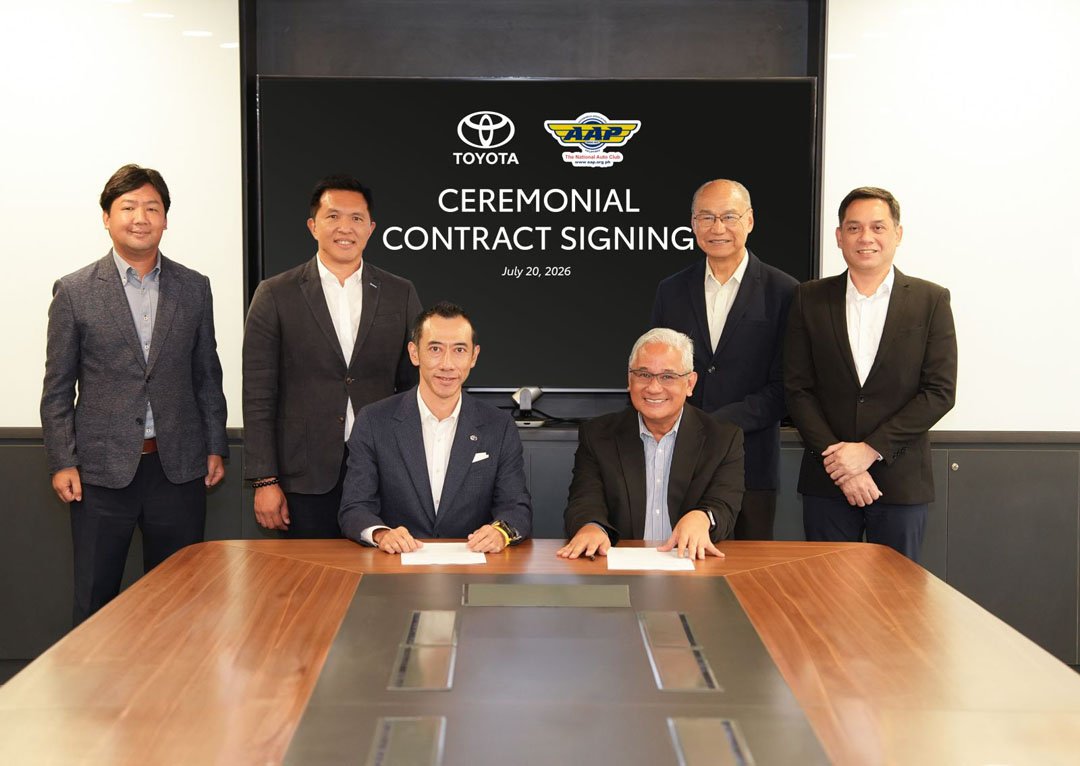
Toyota Motor Philippines (TMP) and the Automobile Association Philippines (AAP) have introduced free 24/7 roadside assistance for eligible Toyota owners nationwide.
The program covers new Toyota Tamaraw and Lite Ace units sold beginning August 2026. Membership is valid for one year from the vehicle release date.
Customers must activate their membership through the QR code included with their membership card.
The package covers flat tire replacement, battery boosting, minor mechanical repairs at the breakdown site and emergency fuel delivery. Towing assistance is also included for one intervention or up to 25 kilometers to the nearest Toyota dealership.
The service gives Tamaraw and Lite Ace owners access to roadside help at any hour. Both models are commonly used by entrepreneurs, small businesses and families, which makes an unexpected breakdown more than a minor inconvenience.
The Tamaraw is locally assembled at Toyota’s manufacturing plant in Santa Rosa, Laguna. The Lite Ace, meanwhile, is available in several body configurations for commercial and personal use.
“AAP has been recognized for its commitment to road safety, a mission that Toyota deeply shares,” TMP President Masando Hashimoto said during the ceremonial contract signing on July 20.
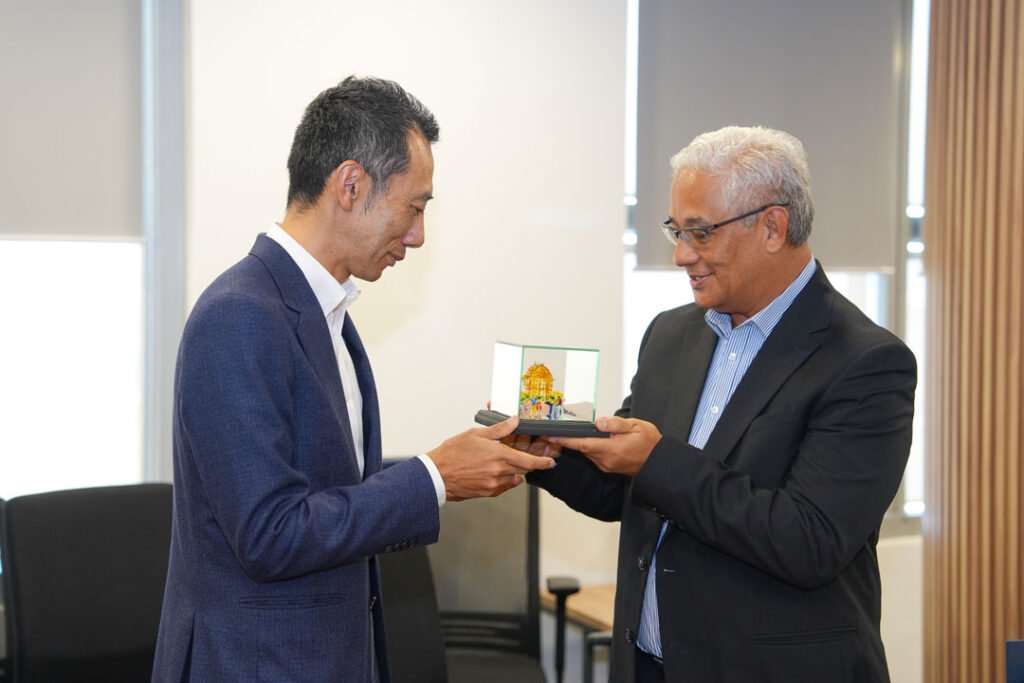
“Through this program, we want our customers to know that help is available whenever they need it,” he added.
AAP President Augustus Ferreria said the partnership also supports the organization’s work in driver education and road discipline.
“It is our hope that every Toyota Tamaraw and Lite Ace owner will not only have peace of mind through AAP’s roadside assistance, but also become better and more disciplined drivers,” Ferreria said.
Toyota and AAP have previously worked together on road safety programs and the Toyota Gazoo Racing Philippine Cup. The roadside assistance program extends that partnership directly to vehicle owners.
Eligible customers may contact an authorized Toyota dealership for registration and complete program details.
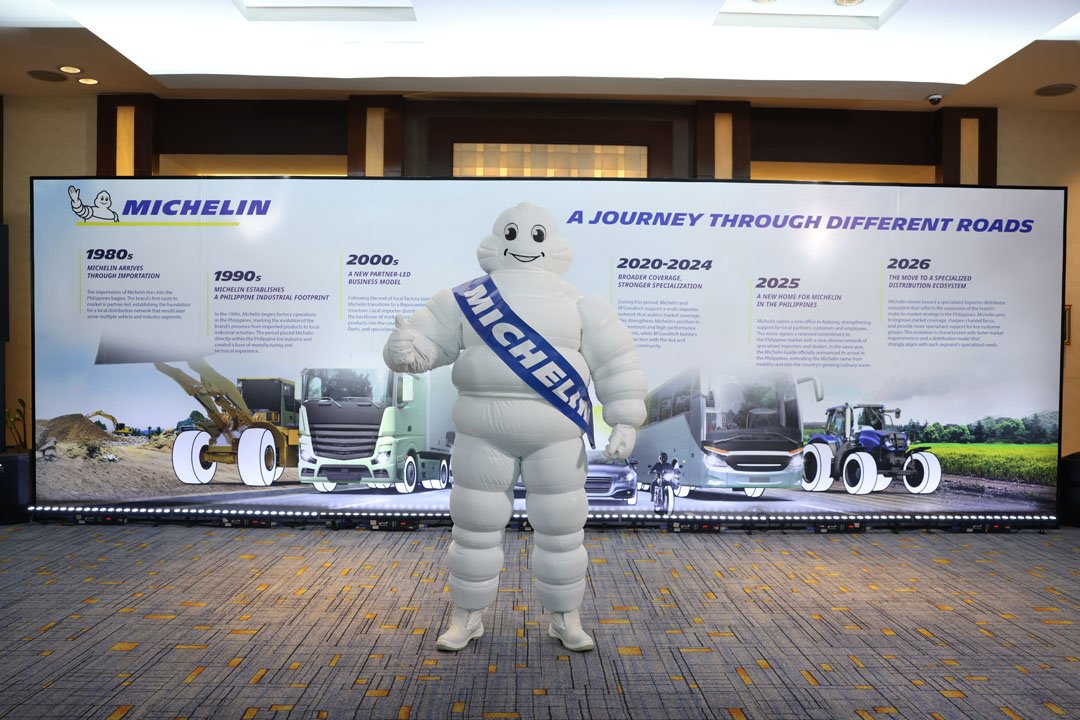
Michelin is strengthening its Philippine distribution network through three specialized importer-distributors serving passenger vehicles, commercial mobility, and industrial applications.
The company introduced Bermaz Auto Philippines for passenger car tires, BSB Junrose for commercial mobility, and Icon Equipment Solutions Philippines for specialized segments such as mining, construction, agriculture, and beyond-road operations.
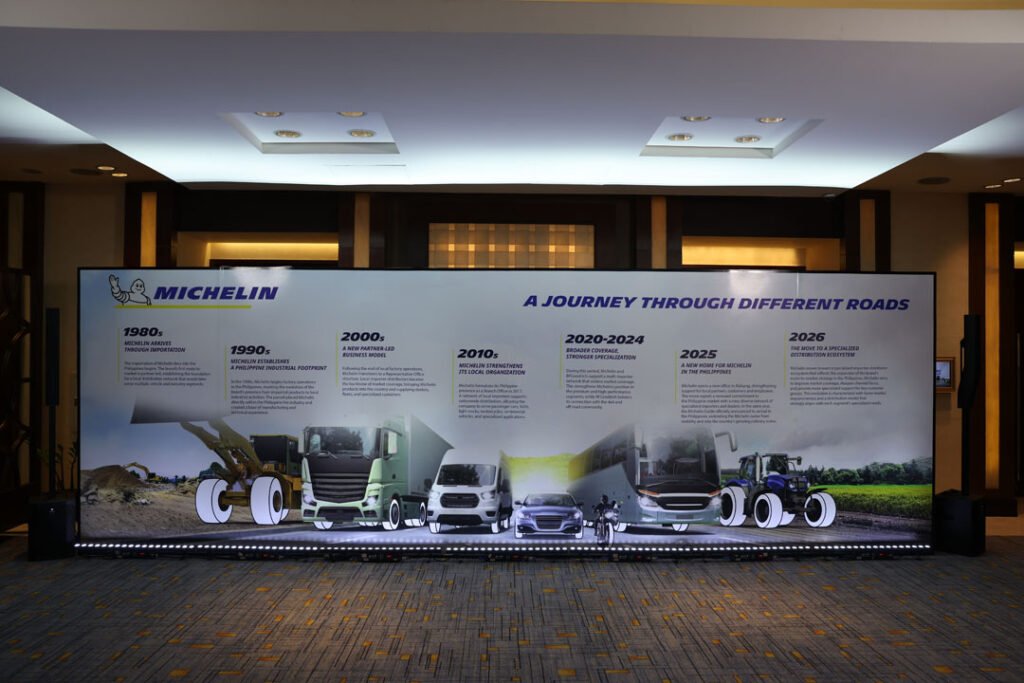
The new structure is designed to improve product access, technical support, and after-sales service as vehicle ownership, logistics, infrastructure projects, and industrial activity continue to grow in the country.
Michelin said the expanded network complements its existing partners while giving each customer group access to distributors with more focused expertise.
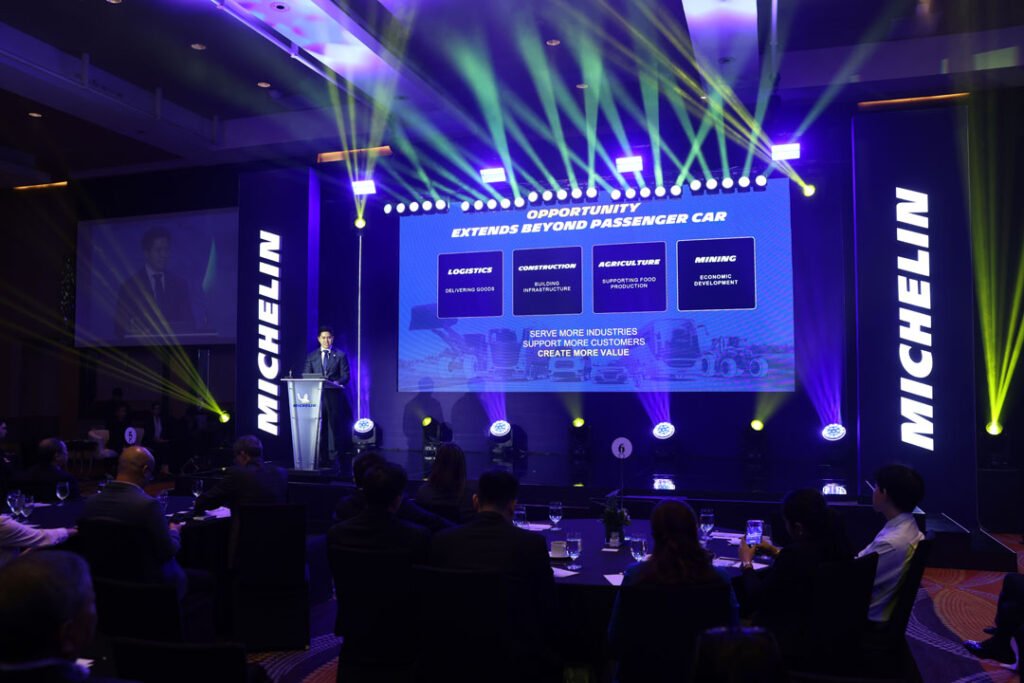
For passenger vehicle owners and dealerships, the arrangement is expected to improve access to vehicle-specific tire fitments. Commercial operators, meanwhile, can receive fleet-oriented support aimed at reducing downtime and improving service response.
Industrial and beyond-road customers will have access to tire knowledge suited to demanding environments, where equipment reliability and productivity directly affect project costs.
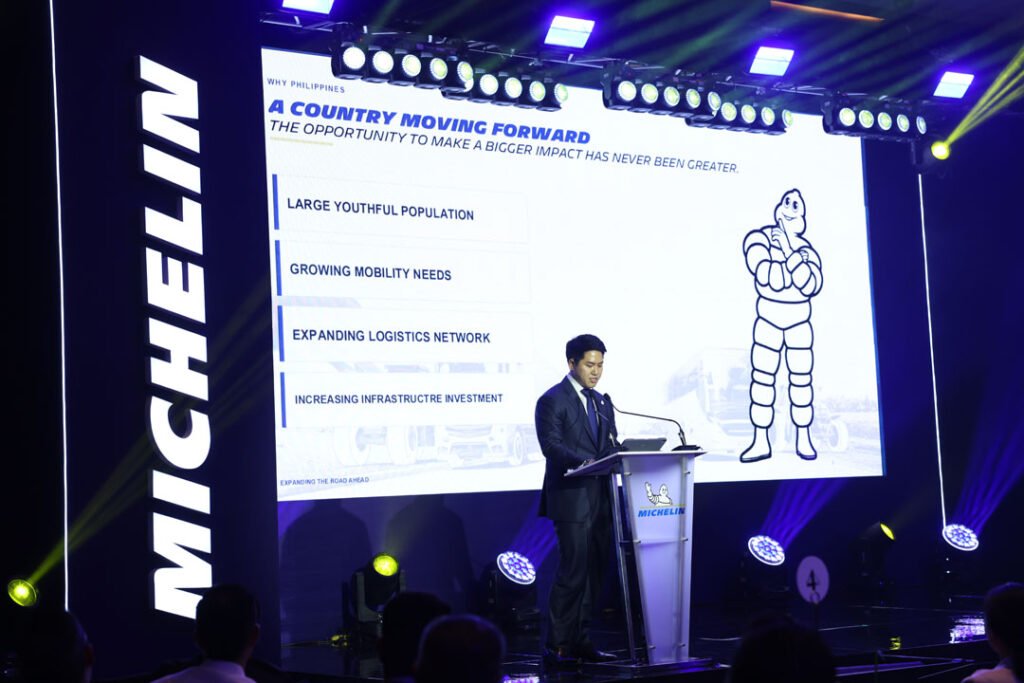
“By strengthening our distribution ecosystem, we are bringing greater expertise, stronger support, and more relevant solutions closer to the industries and communities that keep the Philippines moving,” said Jonathan Khong, managing director of Michelin Philippines.
The company said downtime can affect delivery schedules, construction projects, mining operations, and other businesses that depend on vehicles and heavy equipment. A more specialized support network allows Michelin to respond more closely to those operating requirements.
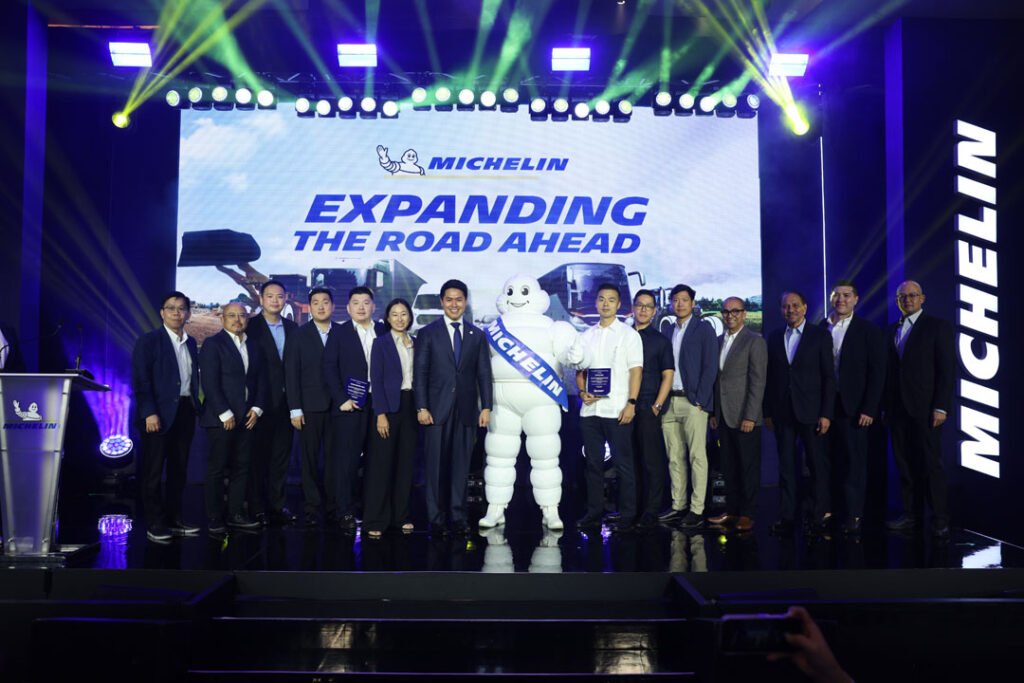
The Philippine expansion also reflects Michelin’s long-term investment in the local market. The company has more than 130 years of experience in engineered materials and operates in 175 countries.
Michelin said the Philippines remains an important market in its Asia-Pacific operations, with demand growing for premium mobility solutions across consumer and industrial sectors.
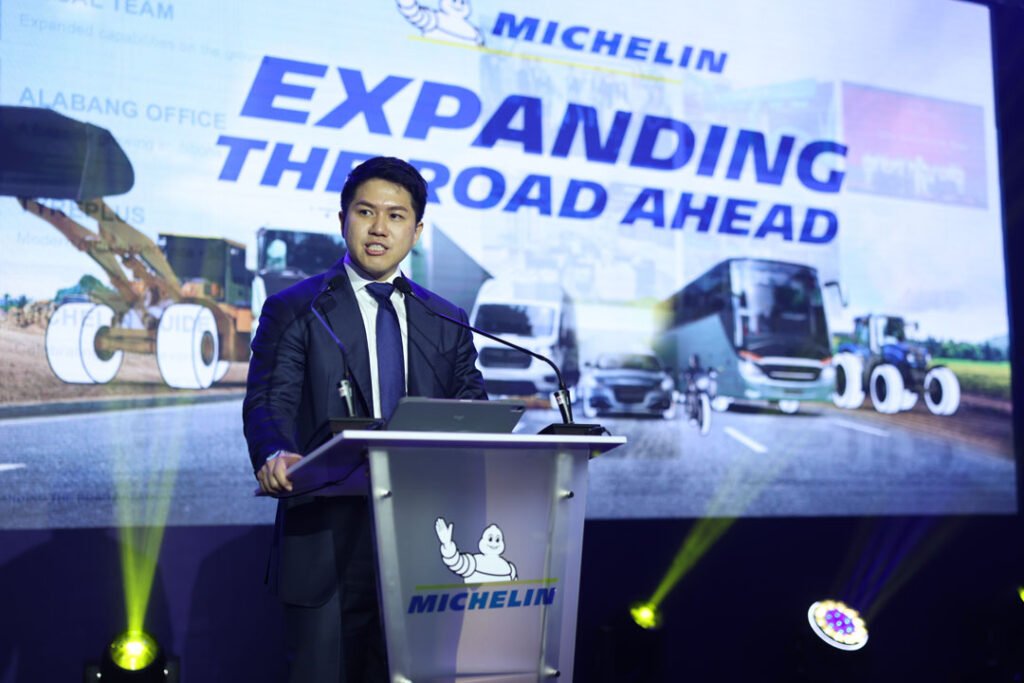
Its local distribution partners will support products and services for vehicle owners, dealerships, logistics companies, contractors, mining firms, and other businesses that rely on tires for daily operations.
The company’s goal is to help customers improve safety, efficiency, equipment performance, and operating value through stronger local access and technical assistance.
For a country where a stalled vehicle can delay an entire delivery route or project schedule, the right tire support is not a minor detail. Michelin’s expanded network is intended to keep more vehicles and businesses moving.
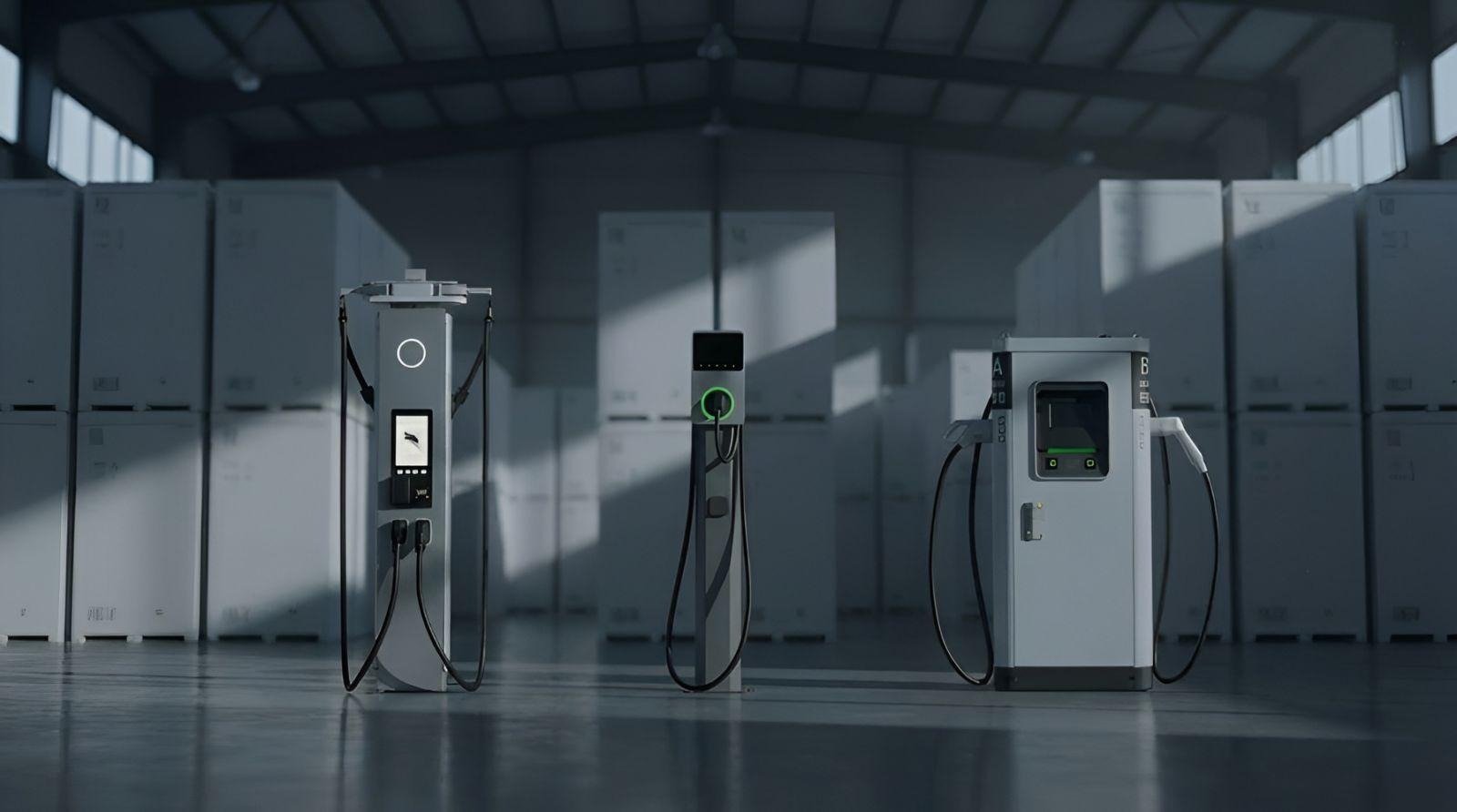
Greenstrum, the charging infrastructure subsidiary of ACMobility, is expanding its services for businesses that want to build and operate their own electric vehicle charging facilities.
The company provides design, equipment supply, installation, and maintenance services for charging systems ranging from 7 kilowatts to 480kW. Its solutions are intended for property developers, fleet operators, automotive manufacturers, and companies planning to establish branded charging networks.
“Businesses have different goals in building their own EV infrastructure, whether it’s to operate their own fleets or to set up their own EV charging business,” said Carl Decleodt, Greenstrum chief operations officer.
Greenstrum’s services include the installation of Huawei FusionCharge fast DC chargers, which feature protection against grid overload and other electrical hazards. Depending on the vehicle and charging setup, compatible EVs can recharge in as little as 10 to 15 minutes.
The company also serves as a certified installation and integration partner for Huawei’s Battery Energy Storage Systems. Its deployment of the Huawei LUNA2000 Smart Energy Storage System allows charging sites to store electricity when demand is low and release it during periods of heavier use.
This setup can help businesses manage peak demand, control energy costs, and make better use of existing electrical capacity without immediately requiring costly grid upgrades.
Greenstrum said its charging installations are solar-ready and can be integrated with the Evro app. Through the platform, EV users can locate available charging points, monitor their sessions, and make payments.
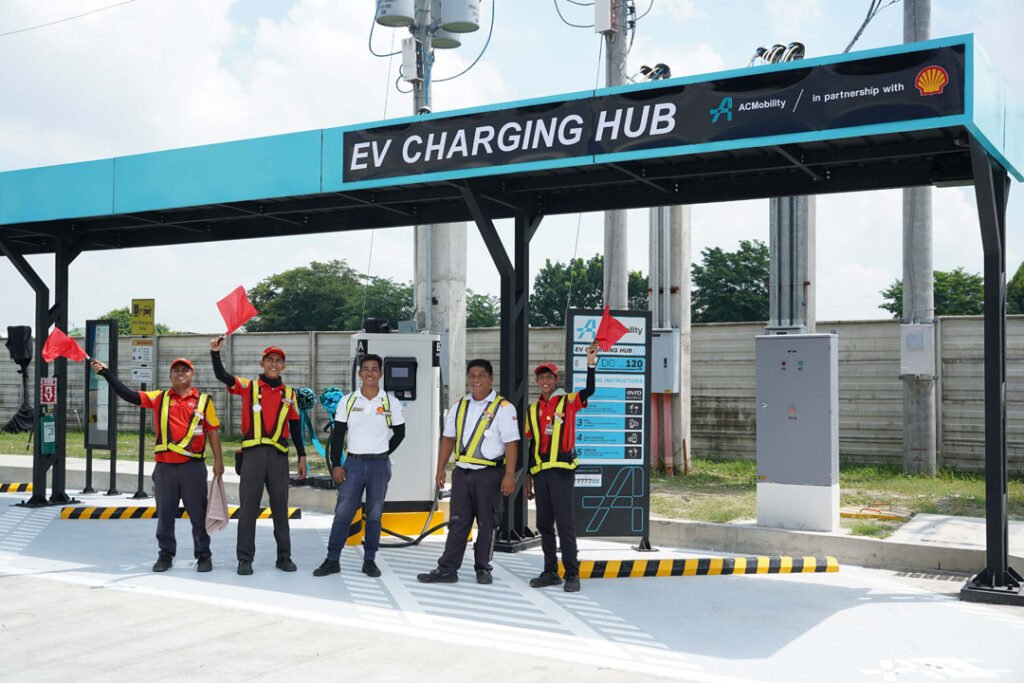
The company currently provides chargers and installation services for ACMobility EV Charging Hubs. Its systems feature intelligent power sharing, which distributes available energy among several vehicles to improve charging efficiency.
All installations comply with the Philippine Electrical Code and are supported by Department of Energy accreditation. Greenstrum also assigns qualified professional electrical and registered electrical engineers to its projects.
Aside from charger deployment, its end-to-end services include optional on-site connectivity, CCTV installation, and free preventive maintenance during the warranty period.
The model allows partner businesses to retain ownership of their charging assets while receiving technical support from planning and installation to after-sales service.
ACMobility has been investing in EV charging infrastructure since 2023 as part of the Ayala Group’s efforts to support the country’s shift toward electric mobility. The company currently manages charging hubs primarily in Luzon, with a growing presence in the Visayas and Mindanao.





Pingback: Hongqi Powers Up Luxury EVs with Plus Upgrades and a PHEV Tease - ridenetwork.ph