Industry News
Crash Verdict Hits Tesla Hard

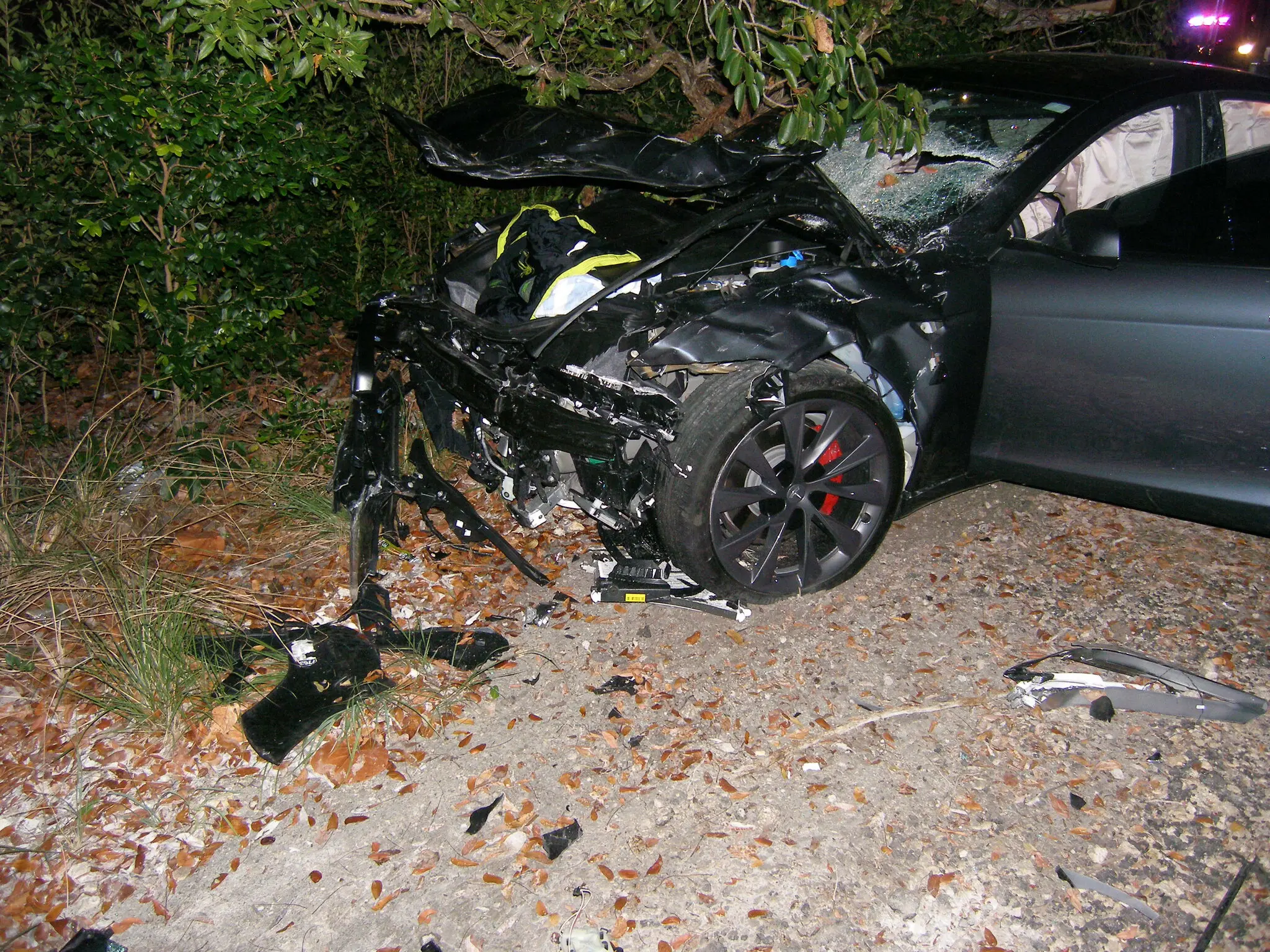
A Florida jury has ordered Tesla to pay $242 million in damages after concluding that the automaker’s Autopilot feature was partly responsible for a deadly crash in 2019.
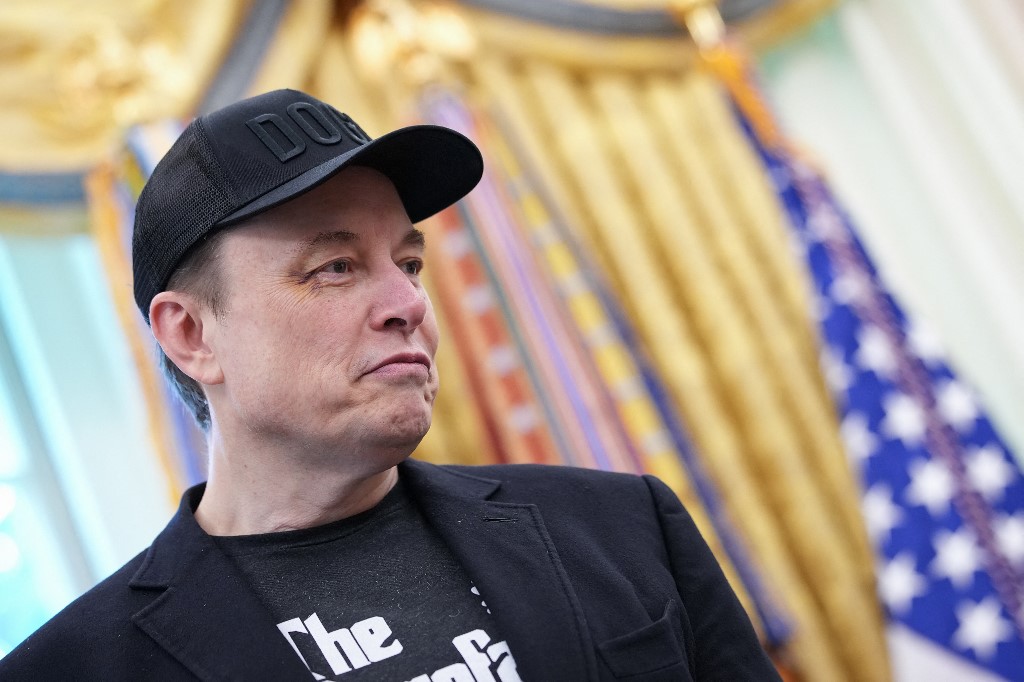
The crash occurred in Key Largo, Florida, when a Tesla Model S driven by George McGee slammed into a parked Chevrolet SUV. Naibel Benavides Leon, a 22-year-old college student standing near the SUV, was killed, and her boyfriend, Dillon Angulo, was seriously injured.
After a three-week trial in Miami, jurors found Tesla’s driver-assistance system contributed to the accident. They ruled that Tesla held 33% of the responsibility, while McGee, who had reportedly taken his eyes off the road to retrieve a dropped phone, bore the rest. McGee had already settled with the victims for an undisclosed amount.
The verdict awarded $200 million in punitive damages, $59 million in compensatory damages to Leon’s family, and $70 million to Angulo. With Tesla held accountable for only a third of the compensatory damages, the final figure payable by Tesla totals approximately $242 million.
Lawyers representing the victims argued that Tesla misrepresented the capabilities of its Autopilot system, which led to overreliance by drivers. The system failed to react to a stop sign and flashing red light at a T-intersection where the crash happened. Data presented at trial showed the vehicle was moving at 62 mph just before impact.
Tesla, through its legal team, denied responsibility and announced plans to appeal the verdict. The company claimed the driver overrode Autopilot by keeping his foot on the accelerator and failed to maintain attention to the road. Tesla also pointed to warnings in its user manuals that Autopilot still requires active driver supervision.
The case marks the first federal jury trial involving a fatal crash tied to Autopilot and is seen as a significant blow to Tesla’s claims of safety leadership in autonomous driving. Tesla said the verdict could delay industry progress on life-saving technologies, while plaintiffs argued the crash was preventable and underscored serious flaws in Tesla’s software and marketing.
Angulo, emotional after the verdict, said, “We did it for Naibel.”