
Commentary
Why Pinoys Are Still Divided Over EVs

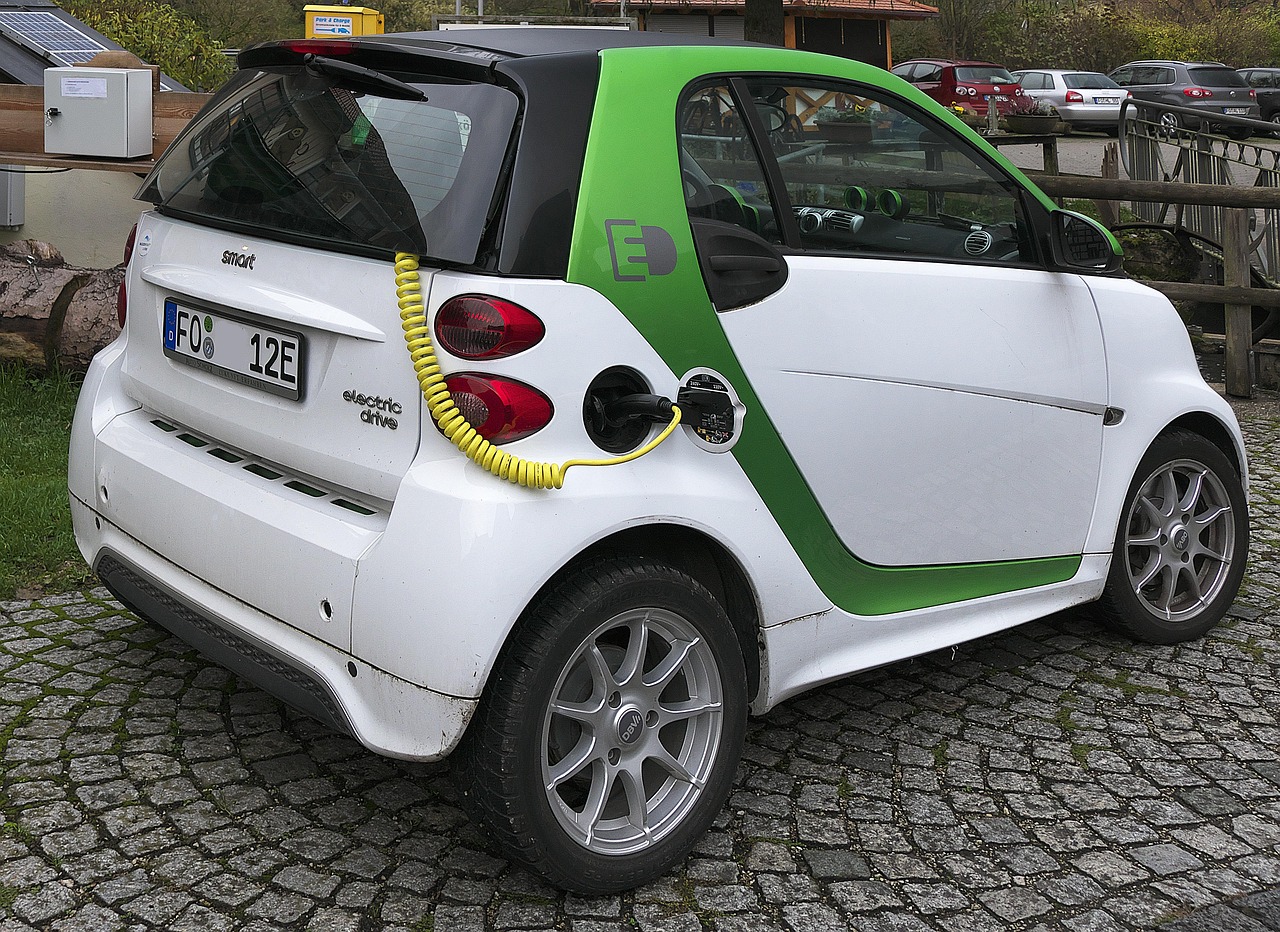
It’s 2025, and electric vehicles (EVs) are everywhere, from billboards and mall displays to facebook, TikTok and Instagram. Yet, despite growing buzz, many Filipinos still are not sold. The streets may welcome Teslas and BYDs, but in Facebook comment sections and group chat convos, many Pinoys still prefer gas-powered vehicles.
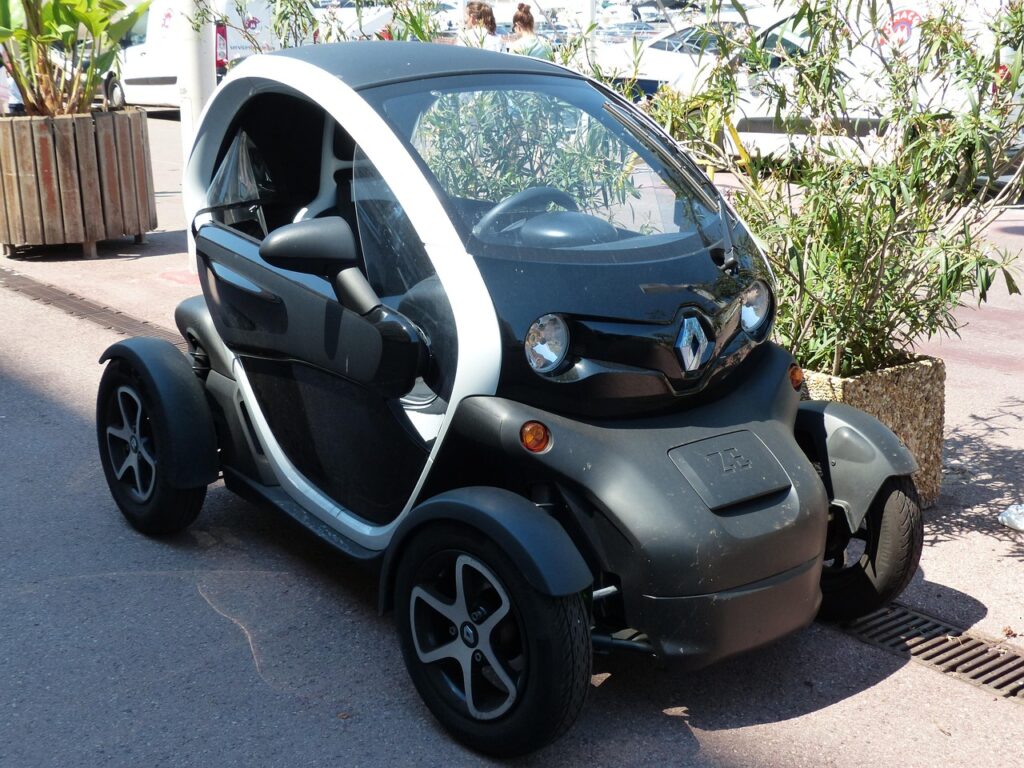
So what’s fueling this EV vs gas-powered debate?
⚡ Price Shock vs Pump Pain
Yes, EVs promise lower running costs, but the upfront cost remains a major hurdle. A brand-new EV still costs more than a comparably sized gas car, even with government incentives.
“EVs are great if you can afford them,” said one Facebook user. “But most Pinoys are still looking for a secondhand Vios or an old Adventure.”
Meanwhile, gas prices keep rising, and that’s no small deal for daily drivers. “Fuel is getting crazy. But replacing my car for an EV I can’t charge at home? Not practical.”
🔌 Charging Dillema
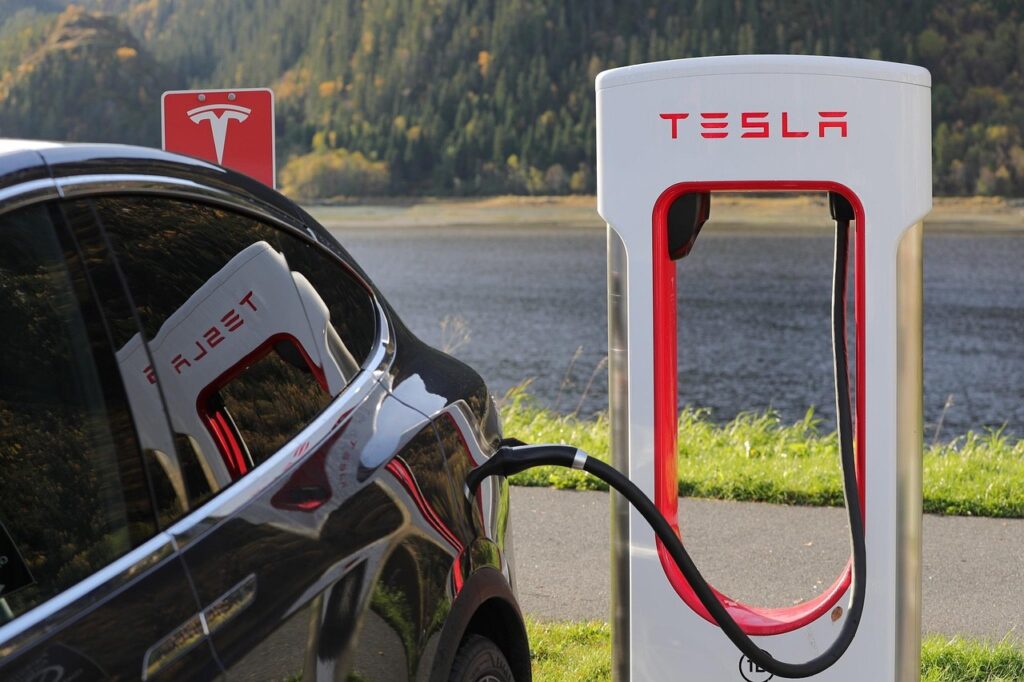
This is the biggest chokepoint, literally. While EV infrastructure is improving in Metro Manila, charging stations are still rare outside urban areas.
“Where do you charge in the far-flung areas? At your grandma’s house?” joked a viral Facebook comment.
For condo dwellers or those in rented homes, installing a home charger is also a no-go. And public chargers? They’re either full, out of order, or inconveniently located in luxury malls.
🔋 Hybrid Middle Ground
Many Pinoys are leaning towards hybrids as a safer step. They’re easier to maintain, cheaper than full EVs, and don’t need charging stations.
Toyota’s continued hybrid push, with models like the Prius, Corolla Cross and Yaris Cross, has gained strong public acceptance. “Best of both worlds,” says a driver who switched from diesel to hybrid. “It’s way lower gas consumption and has no range anxiety.”
🛠️ Repair Worries & Resale Doubts
One overlooked fear is the maintenance and resale. While EVs have fewer moving parts, they still need specialized care, and right now, not every car shop or casa is equipped.
“What happens if my battery fails after five years? Where do I even buy a replacement?” said another Facebook commenter.
Secondhand EVs? Still a gray area. Battery health is tricky to measure, and a lot of buyers don’t want to gamble.
🇨🇳 The China Factor
There’s also chatter around the sudden surge of Chinese EV brands. While affordable and tech-loaded, many Pinoys remain skeptical.
“It’s like a giant cellphone,” one motoring group member posted. “Looks good now, but what happens five years from now?”
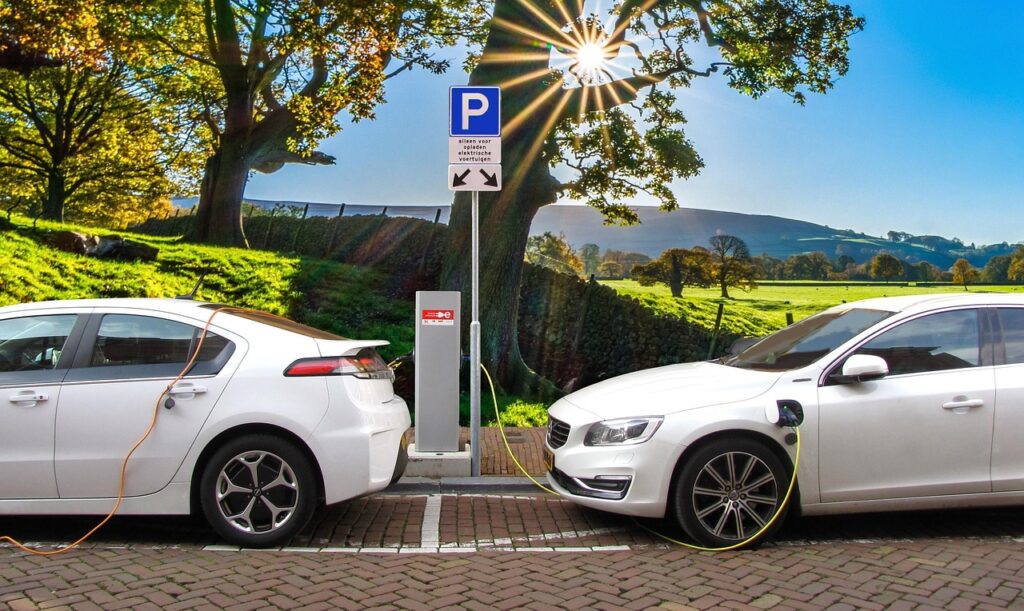
This nationalism-tinged hesitation isn’t new, but it’s flaring again as Chinese EVs continue to undercut traditional brands.
🚘 Bottom Line: EV-curious but Cautious
Most Filipinos want to believe in EVs, but infrastructure, affordability, and long-term trust are still major roadblocks.
So while EV adoption is growing, the gas vs electric debate is far from over. For now, hybrids, efficient gas cars, and good old practicality continue to rule our roads.
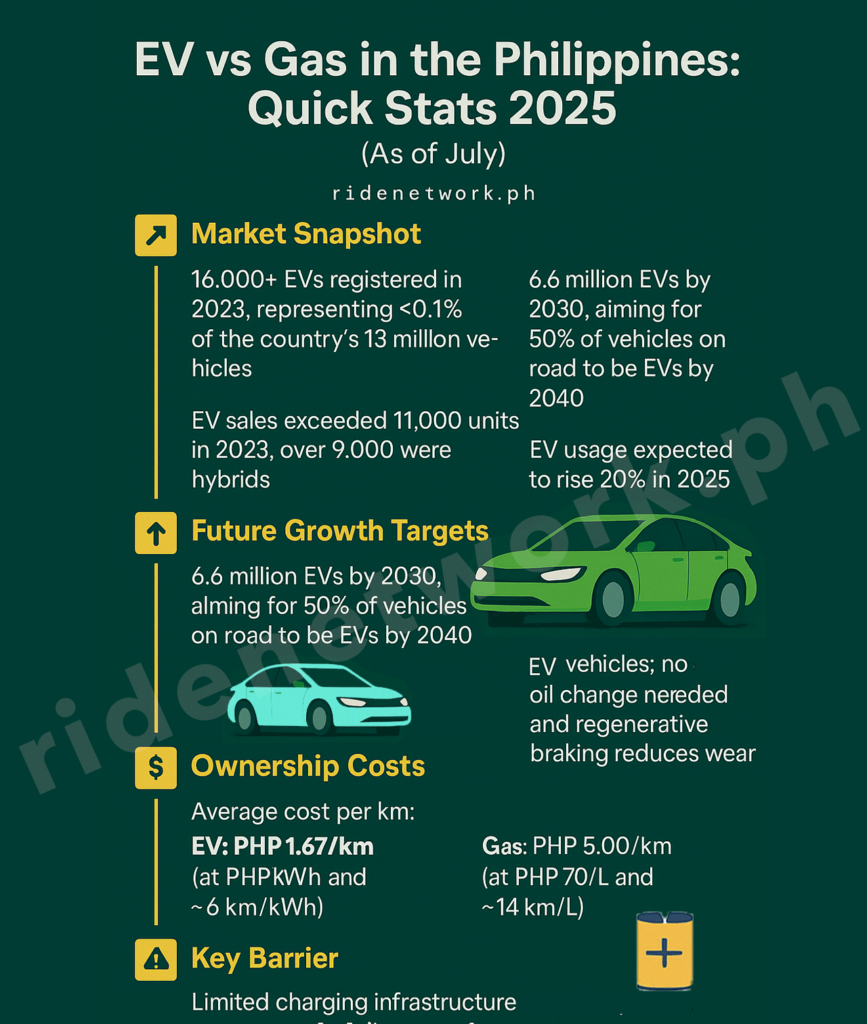
At the end of the day, choosing between an EV or a gas-powered car all depends on what works best for your lifestyle, location, and budget. Both have their strengths, and both come with real challenges. What matters most is being informed and knowing what you’re getting into. So what’s your take? Are you sticking with gas, switching to EV, or holding out for something else entirely? Let us know in the comments. We’re ready for the spark. 🔋⛽👇🏼







Pingback: Hongqi Powers Up Luxury EVs with Plus Upgrades and a PHEV Tease - ridenetwork.ph