Cars
Benz Builds On
Mercedes-Benz is marking 140 years of automotive innovation by tracing its history from the Benz Patent-Motorwagen to its current push into electric and hybrid luxury vehicles.
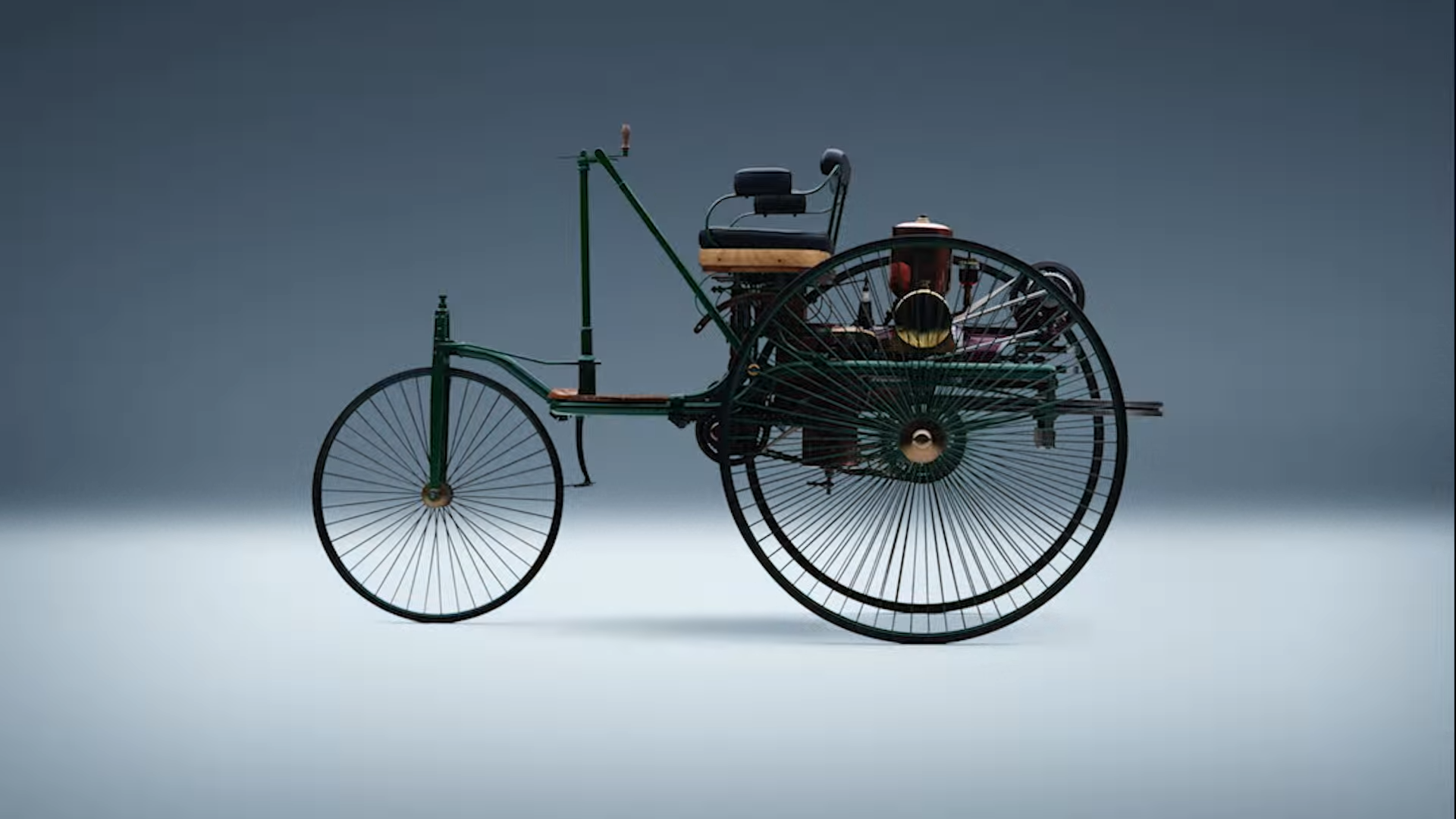
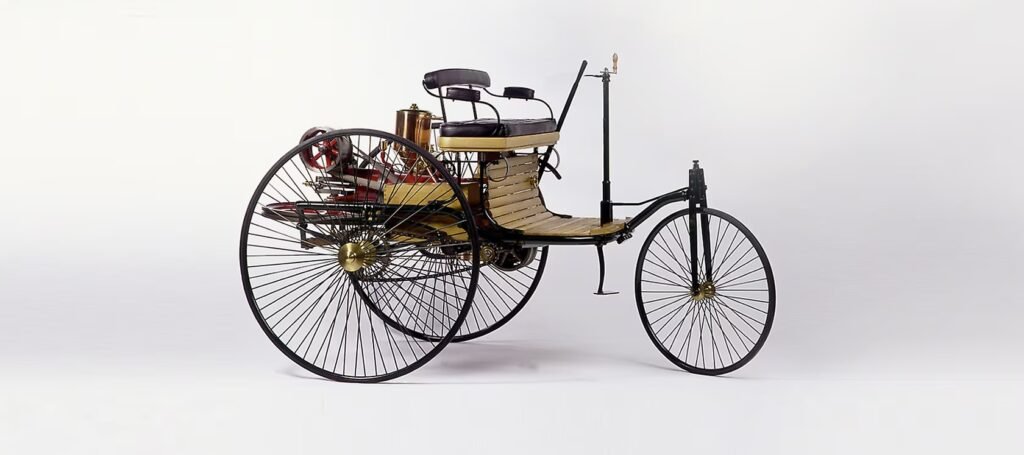
The brand’s story began in 1886, when the Benz Patent-Motorwagen became widely recognized as the world’s first automobile. That milestone helped define the early shape of personal mobility and remains central to the company’s identity today.
Mercedes-Benz continues to position itself in the Philippines as a premium brand built on heritage, safety, comfort and technology. Its current lineup covers sedans, SUVs, performance models, plug-in hybrids and fully electric vehicles aimed at executives, families and buyers looking for luxury mobility.
Among its key nameplates are the S-Class, G-Class and Mercedes-AMG SL. The S-Class remains the brand’s flagship sedan, associated with comfort, advanced safety and cabin technology. The G-Class keeps its image as a luxury off-roader, while the AMG SL carries the brand’s open-top performance heritage.
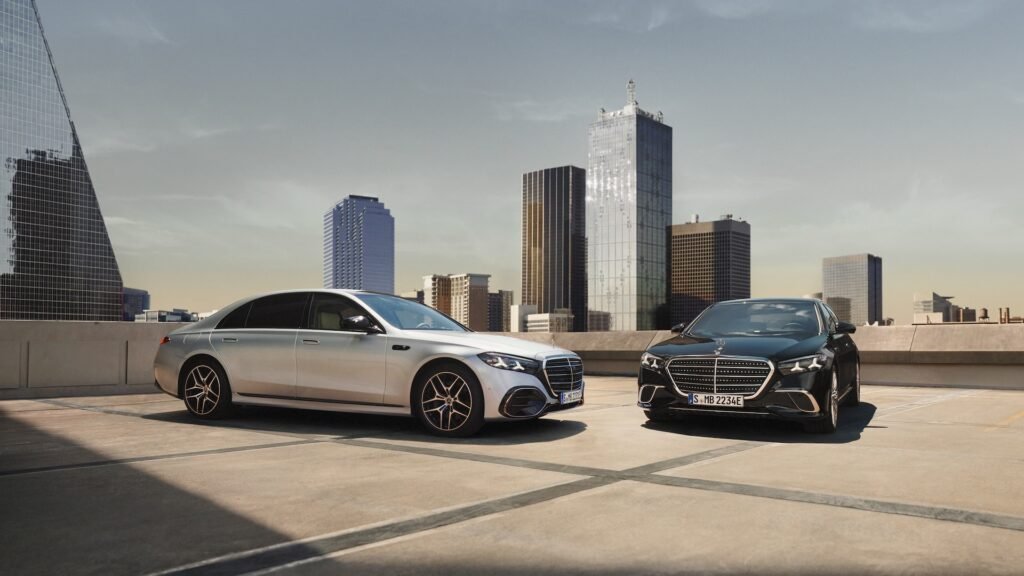
The brand also offers models aimed at daily executive and family use. These include the C-Class and E-Class sedans, along with SUVs such as the GLC, GLE and V-Class. Mercedes-Benz also offers plug-in hybrid variants of the GLC and GLE, reflecting its shift toward lower-emission luxury vehicles.
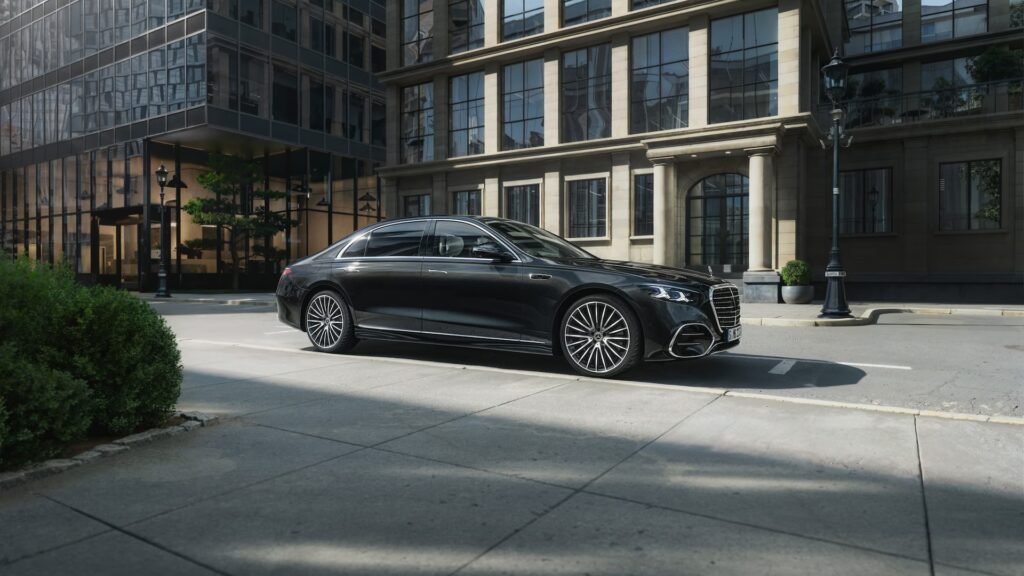
Its electric lineup in the Philippines includes the EQS Sedan and SUV, EQE Sedan and SUV, and EQB. These models form part of the brand’s move into electric mobility while keeping its focus on comfort, design and premium features.
Mercedes-Benz also continues to emphasize driver assistance and safety technology. Available systems include intelligent cruise control, lane-keeping support, automated parking assistance, driver monitoring and safety alerts.
As the industry moves toward electrification, digital features and sustainable engineering, Mercedes-Benz is using its long history to support its next phase. For the brand, the message is clear: its past helped build the automobile, but its future will depend on how well it adapts luxury mobility to a changing market.

Cars
Mirage Gets More
Mitsubishi Motors Philippines Corporation has introduced the updated Mirage G4 with new exterior details and added safety features across the range.
The locally assembled sedan now comes with LED projector headlights and LED taillights for the GLX CVT and GLS CVT variants. Mitsubishi has also fitted all variants with a new machine-finished two-tone alloy wheel design.


Active Stability Control and Hill Start Assist are now standard across the lineup. The two systems join dual front airbags, an anti-lock braking system and electronic brakeforce distribution.

The Mirage G4 retains its 1.2-liter MIVEC gasoline engine. Buyers can choose between a manual transmission for the GLX variant and a continuously variable transmission for the GLX and GLS models.
Mitsubishi continues to position the Mirage G4 as an affordable sedan for daily city use. The model has been sold in the Philippines since 2013 and remains one of the brand’s major volume contributors.
Inside, the sedan keeps its wired Apple CarPlay and Android Auto connectivity for navigation, music and other supported smartphone functions.
Cargo capacity remains at 450 liters, giving owners room for luggage, groceries and other everyday items.
The GLS variant adds a keyless operation system, remote key with trunk opener, reversing camera and automatic climate control.
Mitsubishi assembles the Mirage G4 at its manufacturing plant in Santa Rosa, Laguna. The company said the locally built model continues to offer practical ownership, fuel efficiency and accessible pricing for Filipino buyers.
The updated Mirage G4 is available in Titanium Gray Metallic, Red Metallic and Cool Silver Metallic. White Solid may be ordered through Mitsubishi dealerships.
Prices start at P793,000 for the Mirage G4 GLX 1.2G MT. The GLX 1.2G CVT is priced at P841,000, while the GLS 1.2G CVT carries a P937,000 suggested retail price.
The changes give the Mirage G4 a more modern look while improving its standard safety package. Its familiar engine, compact size and large trunk remain central to its appeal as an everyday sedan.
Cars
Trail Tested
BAIC B40e Trailmaster rEV arrives in the Philippines carrying a three-month sales lead in the new-energy hardcore off-road SUV segment in its home market.
Known abroad as the Beijing Off-Road BJ40e REEV, the electrified SUV ranked first in its category for three consecutive months based on MarkLines industry sales data. The model competed against electrified off-road vehicles from established manufacturers.

BAIC Philippines is now offering the B40e Trailmaster rEV through its dealerships nationwide as the brand expands its range of electrified SUVs for Filipino motorists.
The model combines a boxy off-road design with a range-extender electric vehicle system. Its electric drivetrain is supported by an engine that generates additional power, allowing it to travel farther without relying solely on battery charging.
The setup is designed to provide improved efficiency for daily driving while retaining the performance required for rough roads and outdoor trips.

“At BAIC, our goal is to give the modern Filipino driver new-energy SUVs that fit the way Filipinos actually live. Vehicles that are capable on any road, efficient for everyday use, and ready for any adventure,” BAIC Philippines Brand Head Timothy Sytin said.
The B40e Trailmaster rEV is built on BAIC’s off-road platform and targets motorists looking for an SUV that can handle city use, highway trips and more demanding terrain.
Its sales performance abroad also gives BAIC a stronger entry in the growing electrified off-road category. The B40 platform has gained recognition for combining durability, onboard technology and everyday usability.

BAIC is supporting its Philippine rollout through a growing dealer network and expanded aftersales operations. The B40e Trailmaster rEV is also featured at the UAAGI On the Move display at the SM Megamall Fashion Hall this month, alongside other models from the group.
The local BAIC range includes the B30e Dune Hybrid Off-Roader, B40 Pro TrailMaster, B40 Ragnar, B60 Beaumont, B60e Beaumont rEV, B80 Wagon and X55 Verve.
The arrival of the B40e Trailmaster rEV adds another electrified option for buyers who want off-road capability without giving up the convenience required for regular urban use.
EV
Fare Isn’t The Finish
Davao City’s ride-hailing conversation is moving beyond fare.
Price still matters when passengers open an app. Availability and convenience still influence the first tap. But among many Davaoeños, the ride that gets remembered is rarely the cheapest one. It is often the one that feels calm, clean and considerate.
That shift has placed hospitality at the center of the commuting experience in the city.
Passengers heading to Francisco Bangoy International Airport, going home after work in Bajada, passing through Kadayawan traffic along Roxas, or meeting friends near Roxas Night Market often describe the same thing in different ways. The ride matters when it makes the trip easier, not just cheaper.
Some remember a driver who waited while a passenger rushed back inside the house for a forgotten passport before an airport trip. Others recall arriving home in Toril or Buhangin during a downpour without having to walk through the rain. There are also passengers who remember help with groceries, a clean cabin after a long day, or a driver who made the trip feel less tiring.
These details are small, but they shape how passengers judge the service.
That has become more visible since Green GSM entered Davao City. Many first-time passengers tried the service out of curiosity because it was their first ride in an electric taxi. The vehicle caught attention first. The experience decided whether they would book again.
Passengers noticed the quieter cabin while waiting at busy areas such as Matina Crossing and Buhangin. Some pointed out the absence of the fuel smell often associated with conventional traffic. Others mentioned the cleanliness of the units and the professional manner of the drivers.
The technology helped introduce the service, but the hospitality gave the ride its value.
In daily use, sustainability does not always sound like a technical idea. It can feel like a quieter trip, cleaner air inside the cabin, and a more comfortable ride through familiar city routes. It can also show up in how passengers are treated from pickup to drop-off.
Davao’s reputation for warmth is now being reflected on the road. For ride-hailing users, a good trip is no longer measured by fare alone. It is also measured by how respected, safe and at ease they feel when they arrive.
As the city continues to grow, more passengers may start to expect that kind of service from every ride.