Cars
Hyundai sets 100-model rollout and 600-mile EREV debut

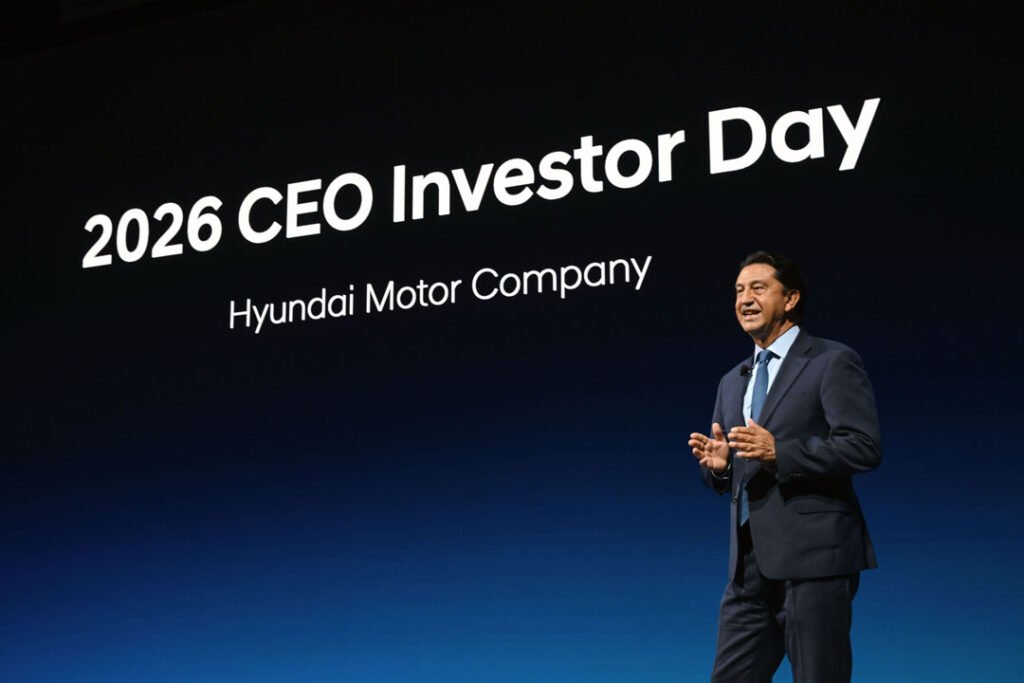
Hyundai Motor Company will launch or update more than 100 vehicles worldwide by 2030 as it pursues higher sales, broader electrification and stronger profits.
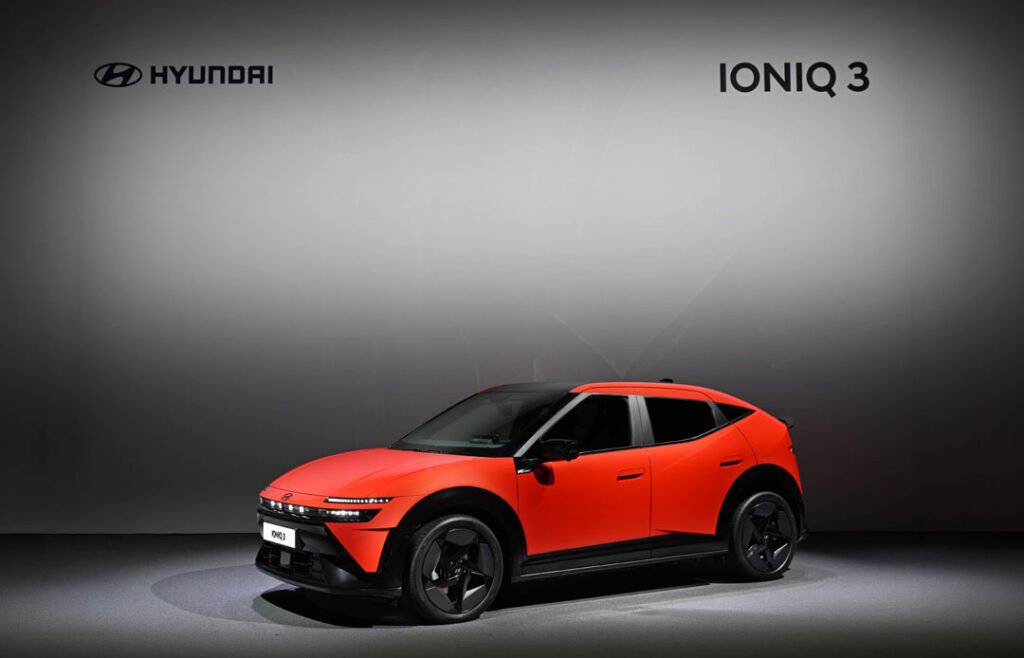
The product campaign includes at least 18 entries into new products or market segments. Seven vehicles are scheduled to arrive within the next eight months, led by the all-new Elantra, IONIQ 3, Tucson and Tucson Hybrid.
Hyundai will also introduce its first extended-range electric vehicle in the first half of 2027. The Santa Fe EREV will target more than 600 miles, or about 966 kilometers, of total range.
An EREV primarily uses an electric motor to drive the wheels, while an onboard power source can replenish the battery during longer journeys. Hyundai said this gives drivers an EV-like experience while easing concerns about range and access to chargers.
The Santa Fe EREV will be assembled at Hyundai Motor Manufacturing Alabama in the United States. Genesis will add an EREV sport utility vehicle with a targeted range of more than 640 miles in early 2027.
Hyundai aims to sell 5.55 million vehicles annually and secure six percent of the global market by 2030. Electrified models are expected to account for 60 percent of sales, up from 23 percent in 2025.
The company will add 1.27 million units to its annual manufacturing capacity. North America will receive the largest increase at 500,000 units, followed by India with 320,000, completely knocked down production sites with 250,000 and Korea with 200,000.
Hyundai is also looking at categories where it currently has limited representation. These include body-on-frame vehicles, a midsize pickup and light commercial vehicles.
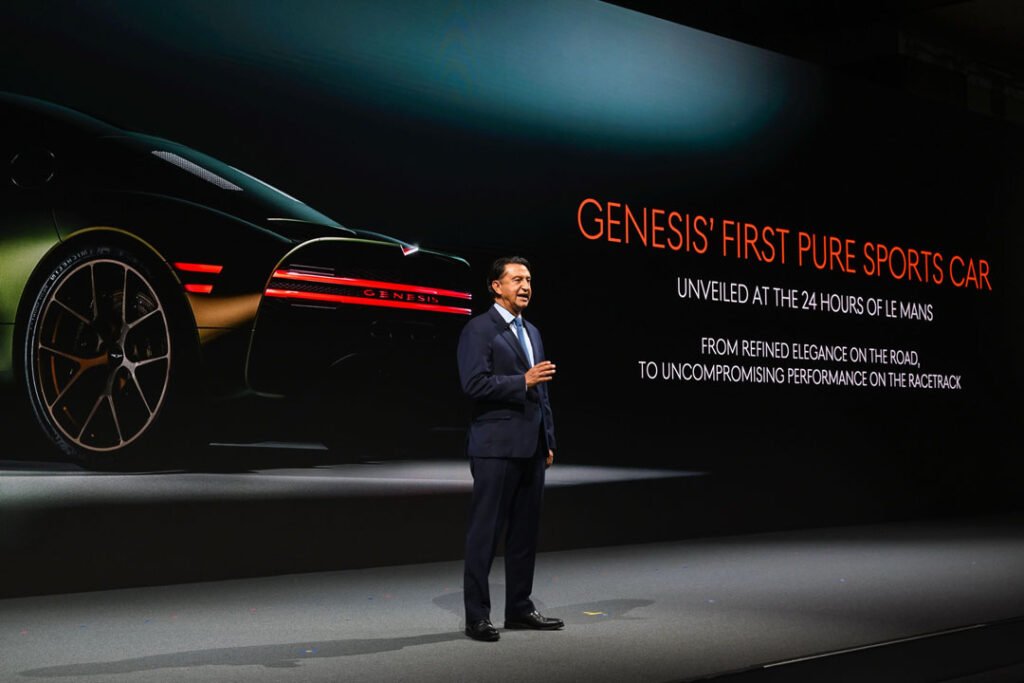
Its N performance division will expand with more models as the company targets annual sales of 100,000 units by 2030.
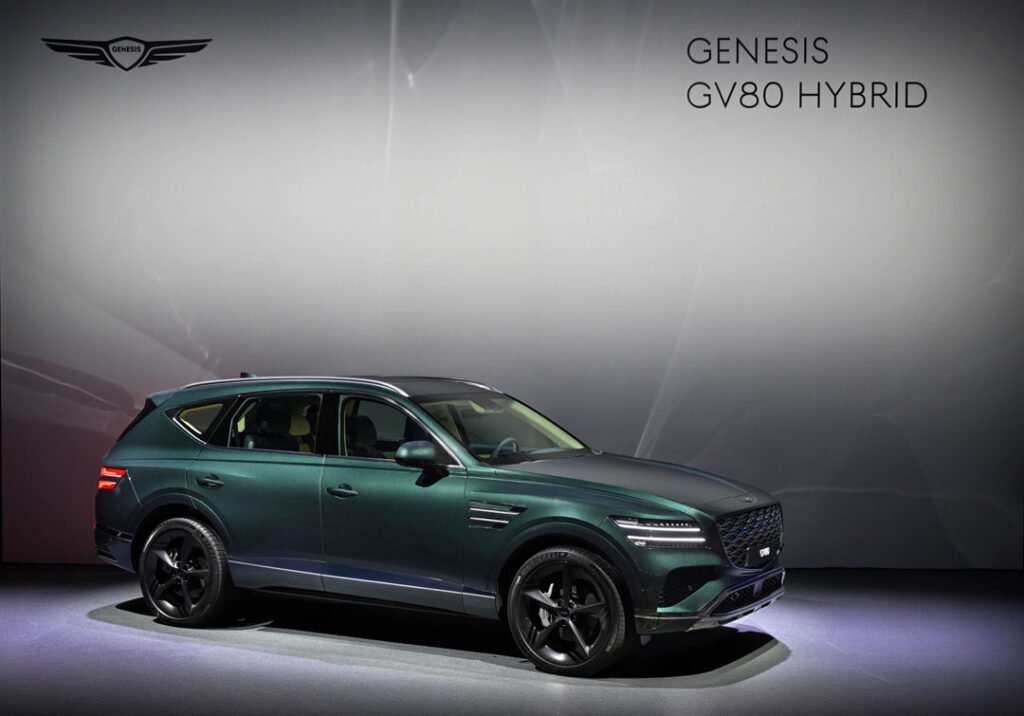
Genesis, meanwhile, is preparing the GV90 flagship SUV and its first hybrid, the GV80 Hybrid. The luxury brand aims to reach 350,000 annual sales across more than 40 markets by the end of the decade.
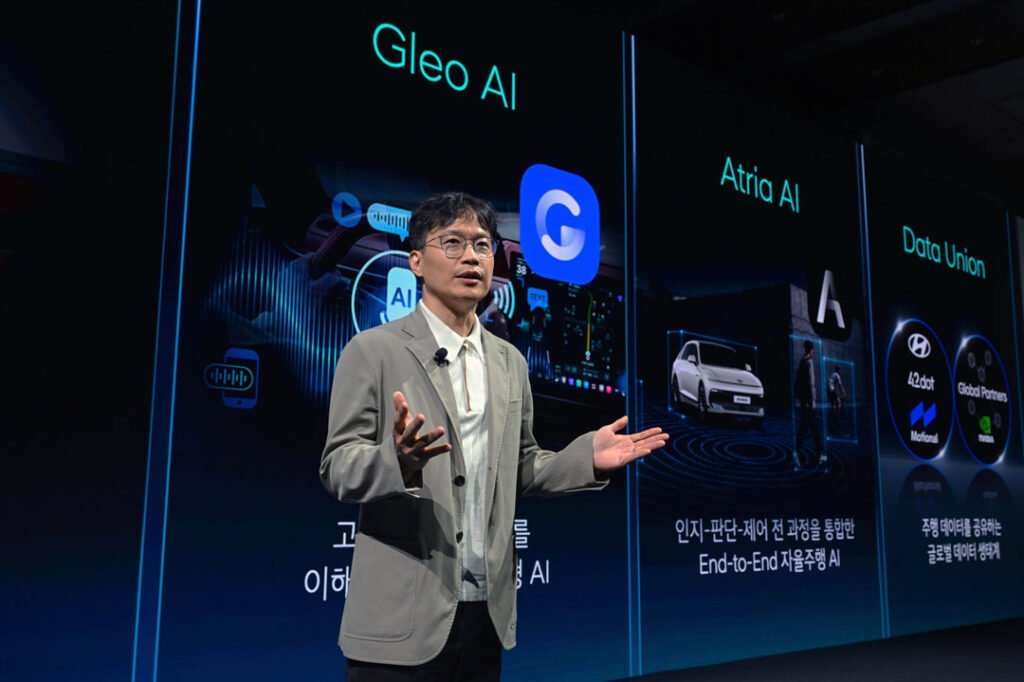
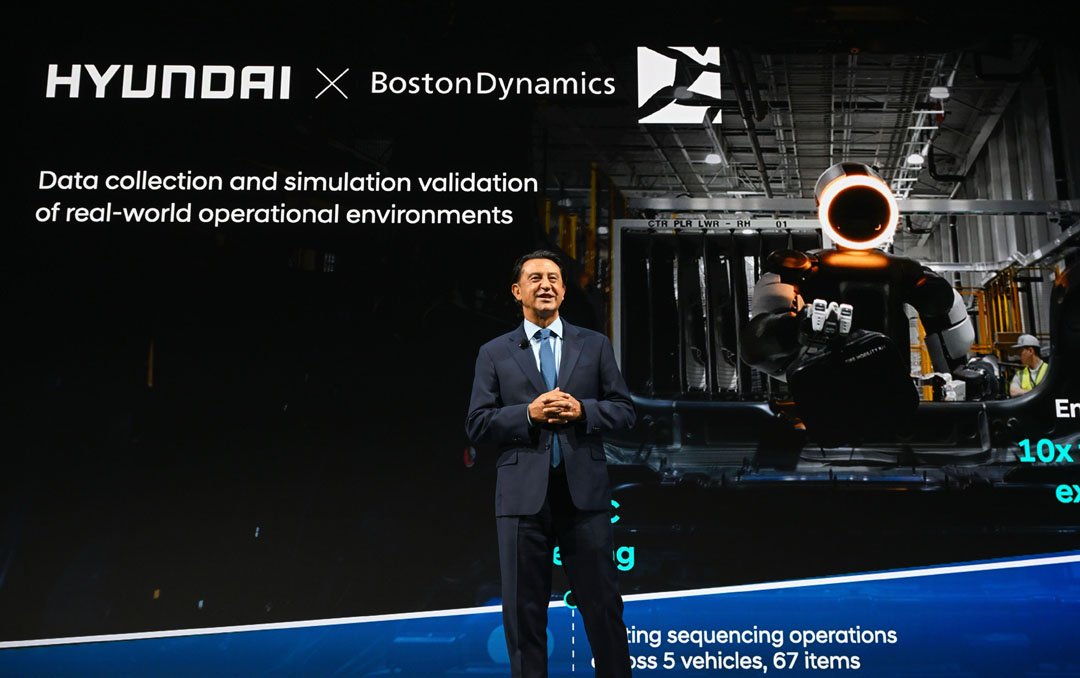
Hyundai is increasing its investment in batteries, autonomous driving and robotics. Its internally developed battery cells are claimed to provide more than twice the output of its previous high-nickel cells while cutting charging time by 40 percent.
A new battery protection system will debut in the Genesis GV90. Called Thermal Runaway Protection, it is designed to prevent heat from spreading between cells if a battery fire occurs.
Hyundai will also begin delivering IONIQ 5 robotaxis to Waymo in the fourth quarter of 2026. Its first mass-produced software-defined vehicle with Level 2+ driving technology is due in 2028.
The company raised its 2030 operating profit margin target to more than nine percent. It recorded 95.2 trillion won in revenue and delivered two million wholesale units during the first half of 2026.